news
Man Sentenced to 40 Years to Life for Killing Four Homeless Men in New York

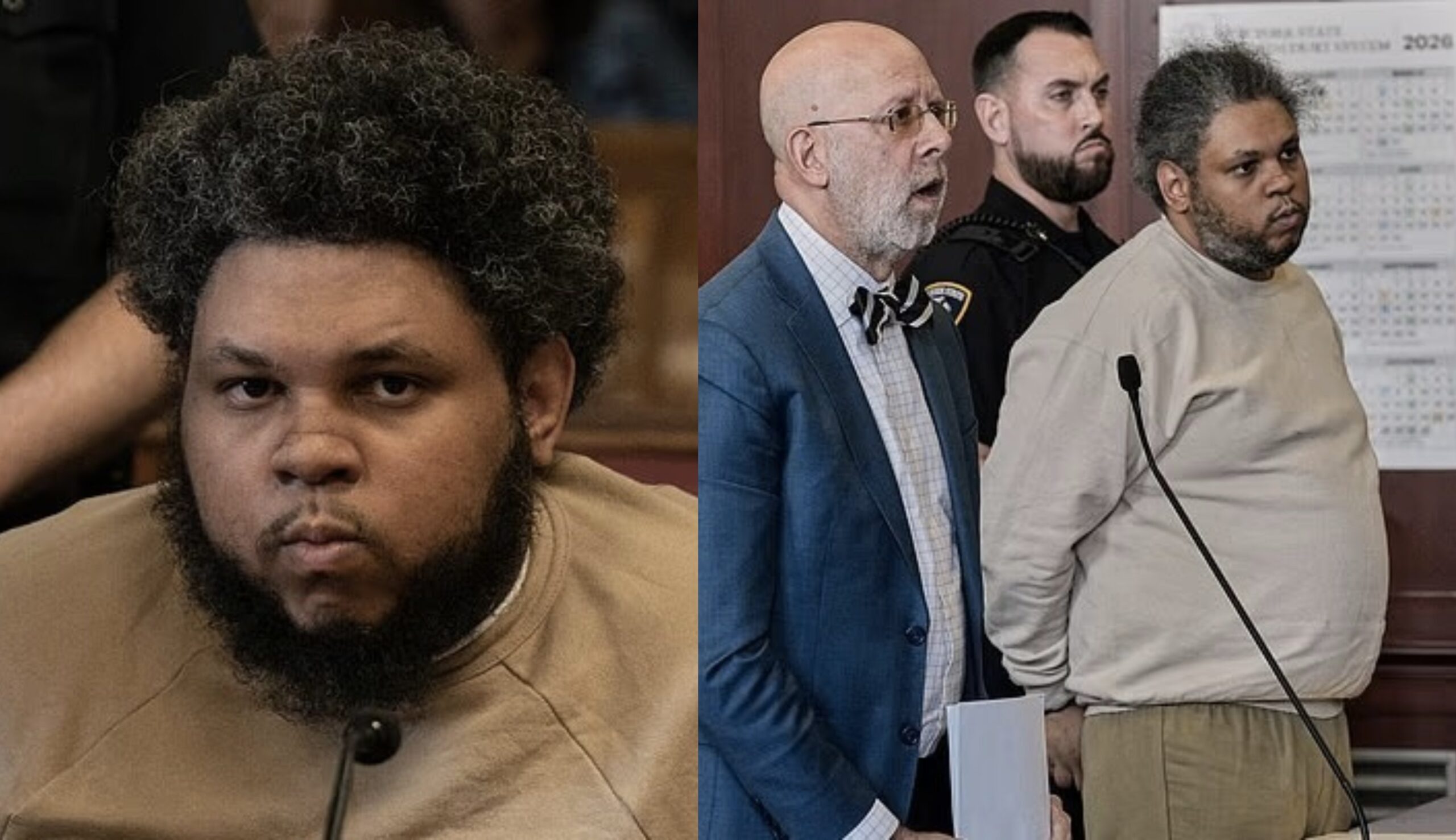
A New York man convicted of killing four homeless men in a brutal series of attacks across Manhattan has been sentenced to 40 years to life in prison.
The convict, identified as 31-year-old Randy Santos, carried out the deadly attacks in October 2019, targeting homeless men who were asleep in different parts of Chinatown.
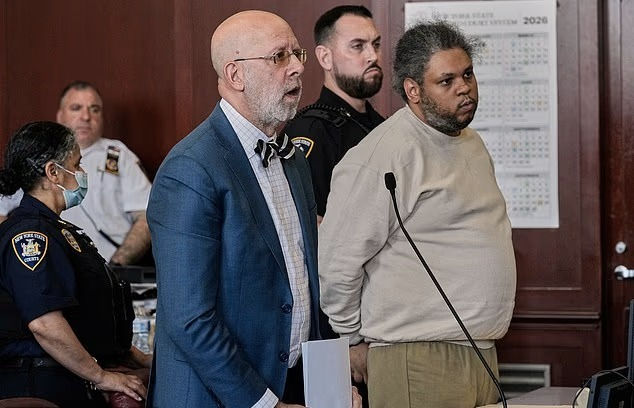
Speaking during the sentencing, Ward said the incident represented the “coming together of three horrible symptoms of this city homelessness, mental illness and narcotics abuse.”
She added: “I’ve been on the bench for about 30 years and those are the three things that seem to be the constant in almost all of our violent crime cases.”
The judge also expressed sorrow over the fact that the victims were among the most vulnerable members of society.
“I had a difficult time getting past the fact that he targeted the most vulnerable people in our society,” Ward said.
“People who were doing nothing but sleeping on the street, homeless,” she added.
Before delivering the sentence, the judge reviewed CCTV footage showing Santos carrying out the attacks.
Earlier this year, Santos was found guilty on four counts of first-degree murder, one count of attempted first-degree murder, one count of attempted second-degree murder, and one count of attempted first-degree assault.
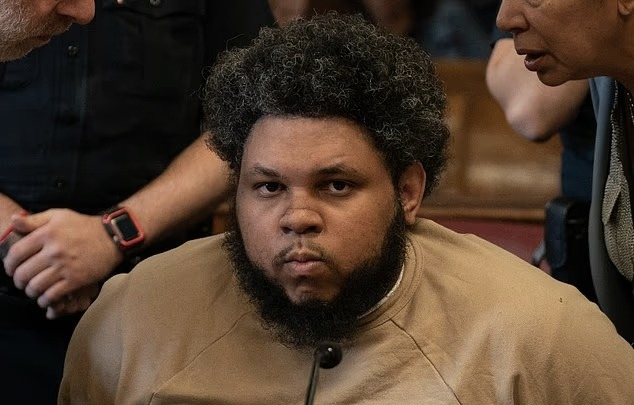
During the sentencing hearing, Santos apologized for his actions and pleaded for a chance to rebuild his life after prison.
“I just want to say, I’m very sorry for what I did,” Santos said, according to the Associated Press.
“I apologize to the people for what I did. I feel very bad about what I did. I wish it never happened,” he added.
Santos also told the court he planned to continue his education and improve his English while serving his sentence.
He further stated that his “mind [was] much better now” and claimed he felt like a different person.
Meanwhile, Manhattan Assistant District Attorney Alfred Peterson became emotional while addressing the court, noting the absence of victim impact statements.
“There’s nobody here to tell this court about their lives and how their absence is a loss,” Peterson said.
“But I’m certain this court and this city understands the value of every life, and the gift of life that we’re afforded to live and make choices and have free will.”
Peterson added that Santos had taken that “gift” away from the victims.
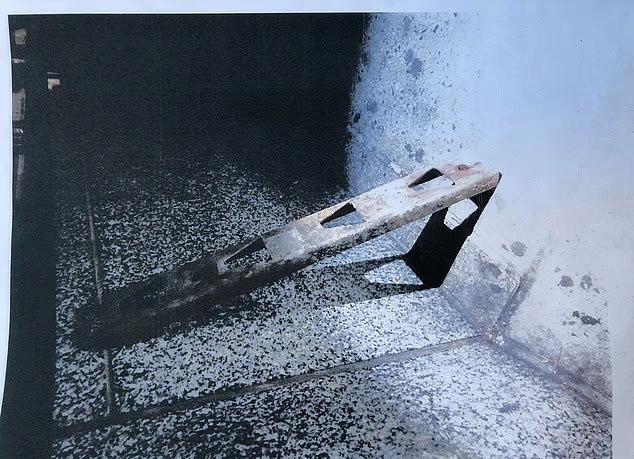
According to prosecutors, Santos first attacked 49-year-old Anthony Manson, who was sleeping outside 17 East Broadway. Authorities said Santos repeatedly struck him in the head with a metal pipe, killing him.
He then crossed the street and attacked a group of homeless men sleeping on the sidewalk near 2 East Broadway.
Two of the victims, Nazario Abdelardo Vazquez Villegas, 55, and Florencio Moran Camano, 39, died from the assault, while another victim, David Hernandez, 49, survived with serious injuries.
Santos later moved into the Bowery area of Lower Manhattan, where he attacked 83-year-old Cheun Kok, who was sleeping near Doyers Street. Prosecutors said Santos struck Kok several times in the head, killing him.
Witnesses quickly contacted emergency services, and Santos fled the scene with the metal pipe before he was eventually arrested by New York City police officers near Mulberry and Canal Streets.
Investigators later linked Santos to another attack involving a homeless man near Chelsea Piers weeks before the killings.
During the trial, Santos’ defense team argued that he suffered from schizophrenia, which had been diagnosed months before the attacks occurred.
Since his arrest, Santos has reportedly moved between jail and psychiatric treatment facilities.
Defense lawyer Arnold Levine pleaded with the court not to impose a life-ending sentence.
“We ask that Mr. Santos not be sentenced to die in prison,” Levine said.
“He is not incorrigible or beyond redemption or hope,” he added.
However, the judge rejected the request and sentenced Santos to 40 years to life in prison.
Following the sentencing, Manhattan District Attorney Alvin Bragg said the attacks had deeply shaken New York City.
“He displayed an appalling disregard for the lives of his victims, who were completely defenseless and unable to protect themselves,” Bragg stated.
He added: “Unhoused individuals deserve the same level of safety as anyone else, and I hope the resolution of this case serves as a reminder of the work that remains in protecting and supporting our most vulnerable residents.”



Follow our Whatsapp channel here
The baby was reportedly delivered by Caesarean section at around 32 weeks of pregnancy and weighed 2.25kg (4lb 15oz) at birth.

Despite his struggle to breathe, doctors also diagnosed him with dicephalic parapagus, a rare form of conjoined twinning in which two distinct heads are positioned side by side on a single shared torso.
Follow our Telegram channel here
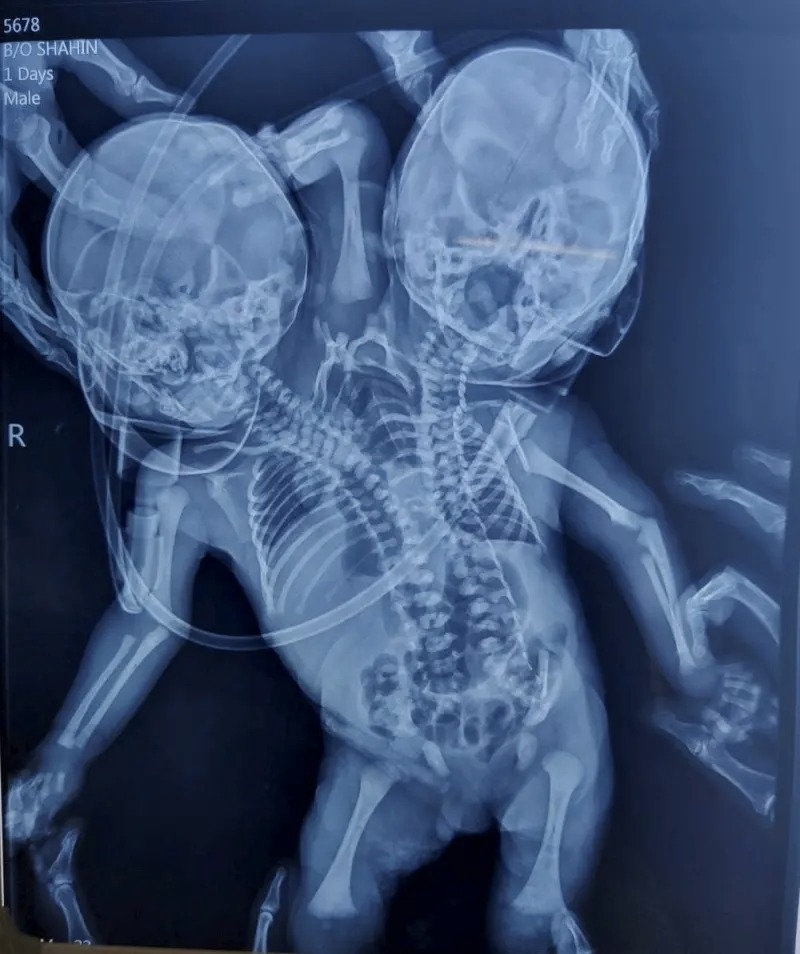
According to the hospital’s chief of paediatric surgery, Dr Manas Ranjan Sahu, the baby has two spinal columns but shares one heart and one liver. He also has one pair of arms and legs, a single genital and urinary tract, male external genitalia and no anal opening.
The hospital superintendent, Dr Sudeepa Dash, said a multidisciplinary medical team had been formed to manage the baby’s complex condition.

However, doctors have warned that his chances of survival may be poor because of the multiple abnormalities and associated health complications.
The baby’s 22-year-old mother was transferred to the hospital for specialist care before giving birth.
The child is the couple’s first baby, while his father works as a daily-wage labourer.


Follow our Whatsapp channel here
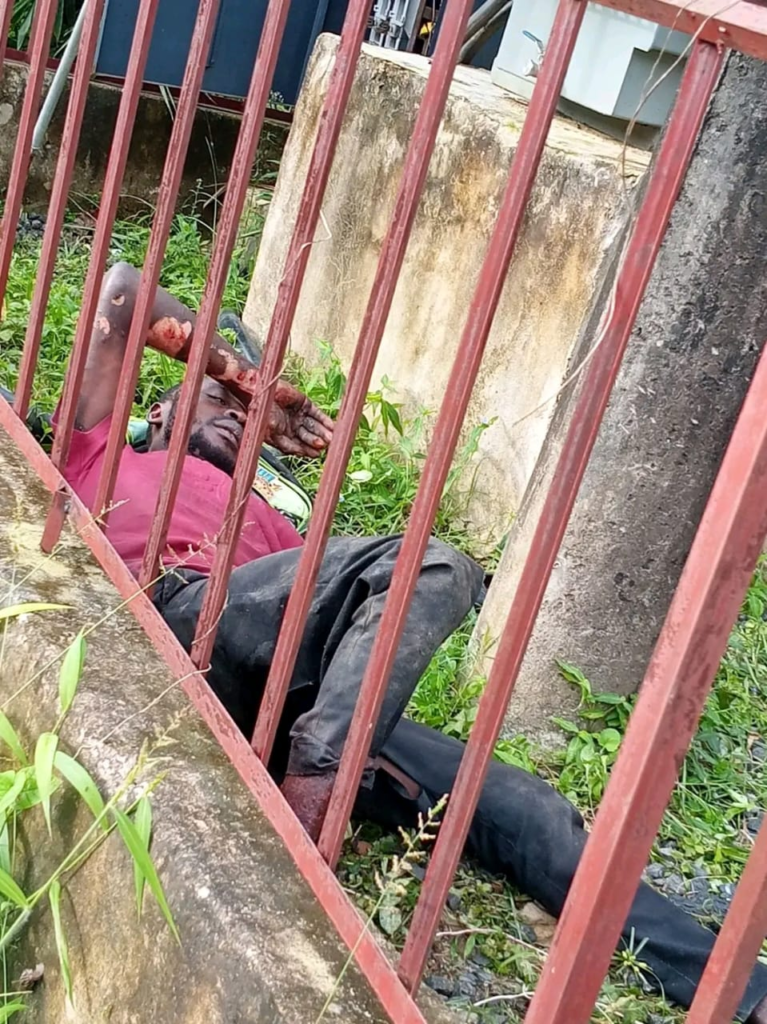
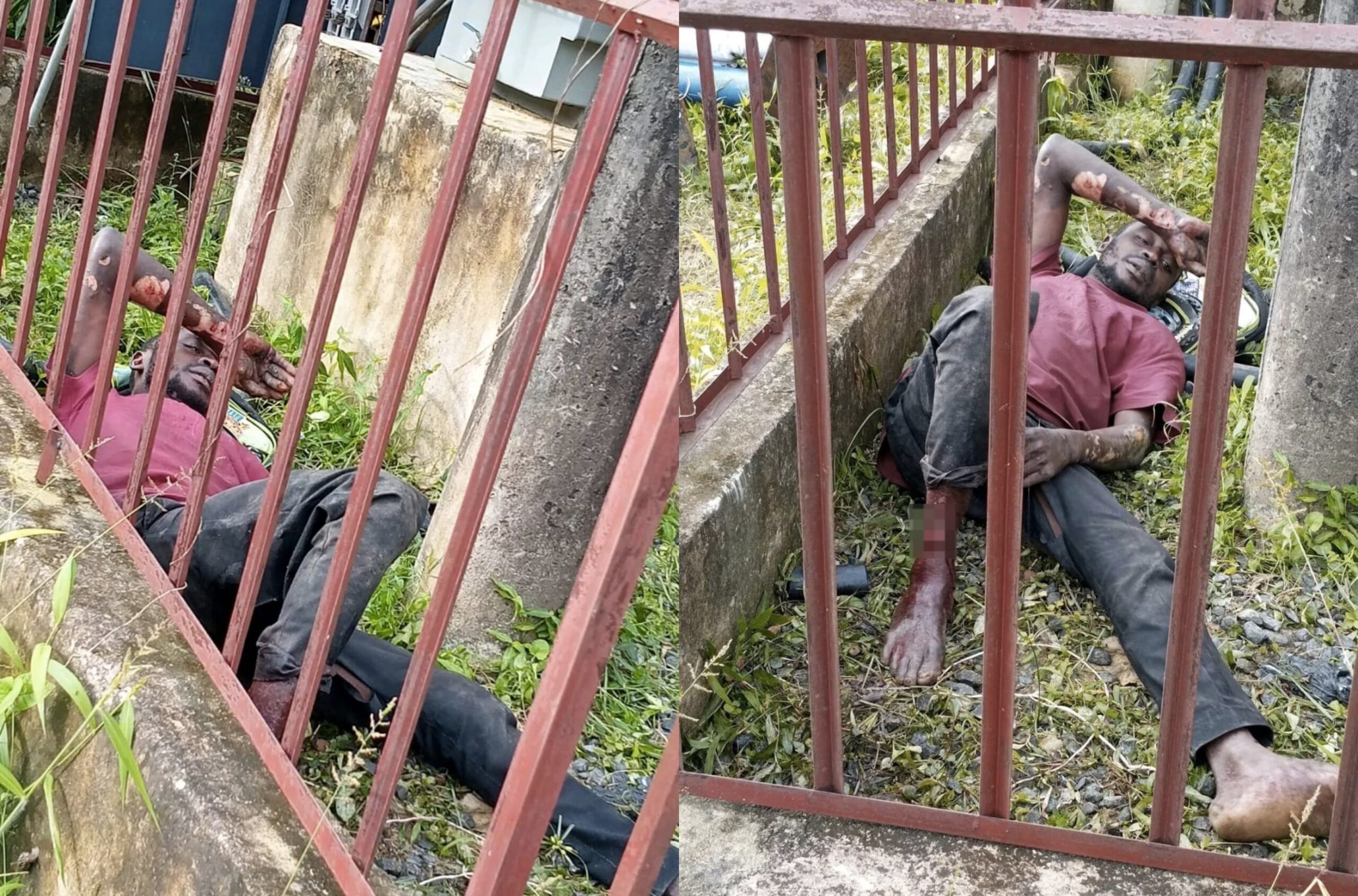
The incident was shared in a video posted on Facebook by a user identified as Akrikor Tiku, who said it happened along Parliamentary Extension Road 2 in Calabar.
Follow our Telegram channel here
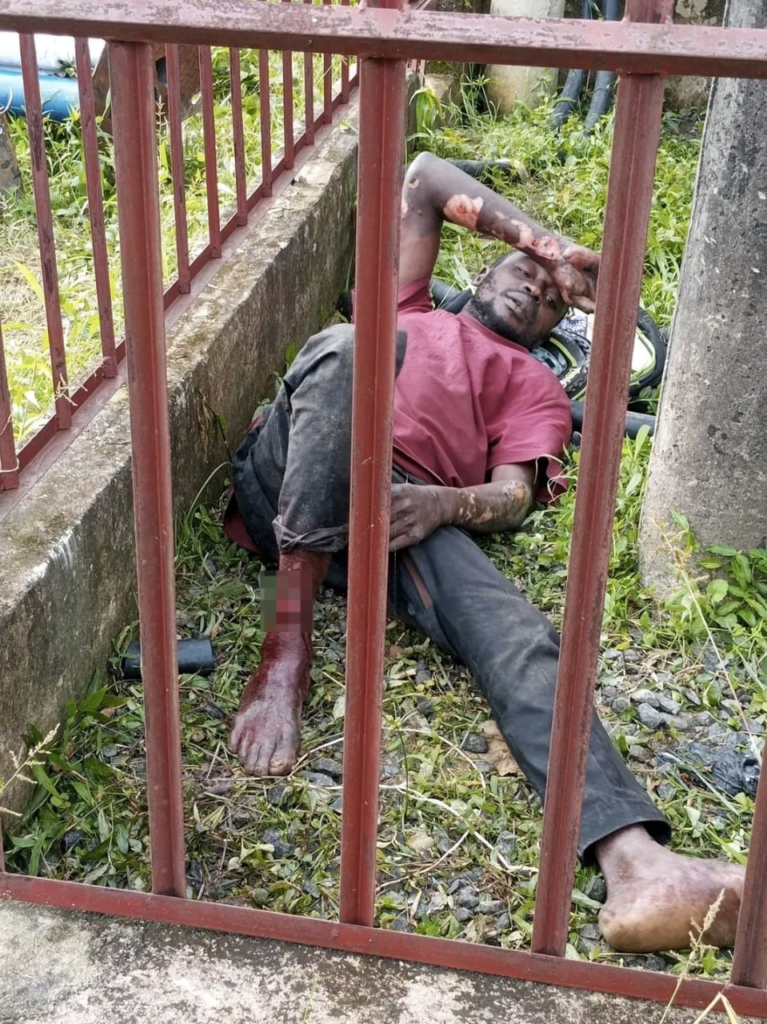
When he was confronted, the man reportedly said he was from Obudu.
The circumstances surrounding the incident and whether the suspect has been handed over to the police remain unclear.

Follow our Whatsapp channel here
According to North Rhine-Westphalia police, the incident involved the robot’s 16-year-old owner and his 19-year-old companion, who are believed to have livestreamed the incident on social media and commented on what happened.
Follow our Telegram channel here
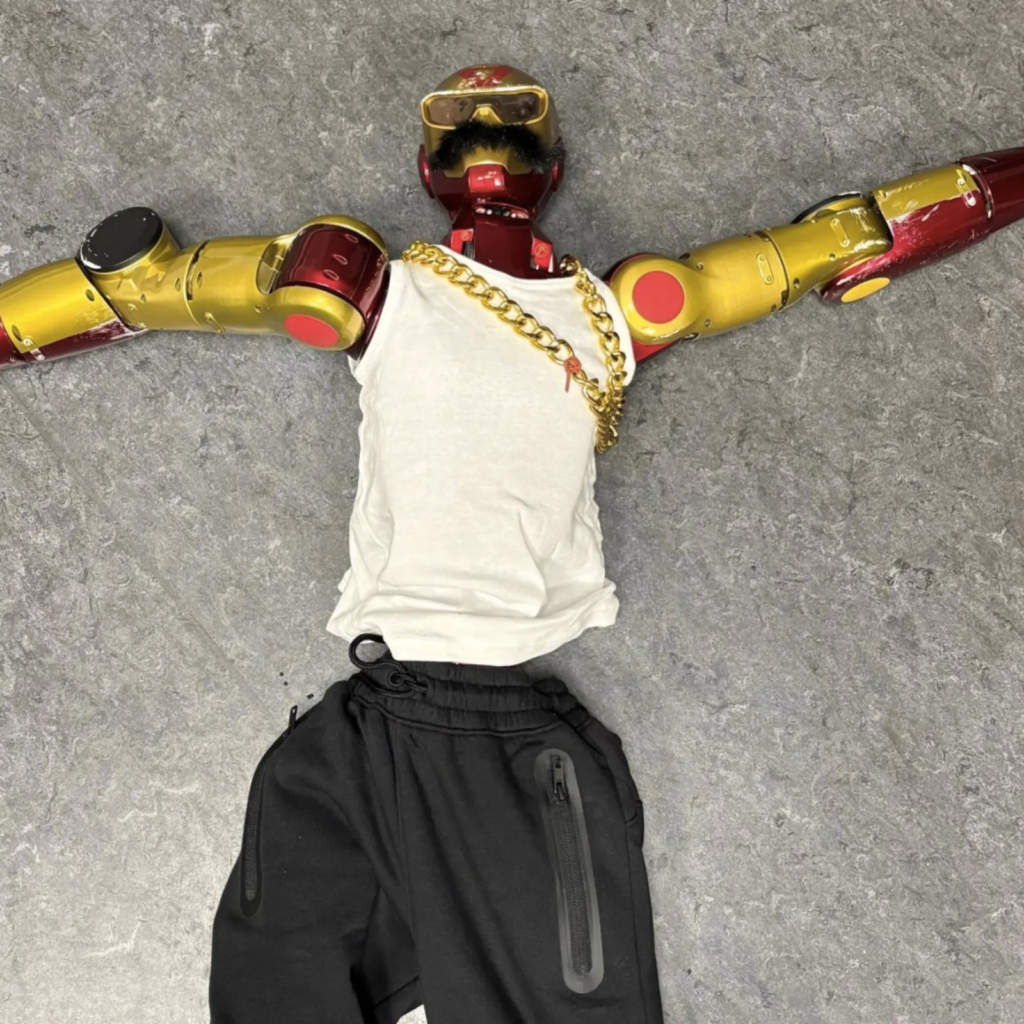
In a statement shared on Facebook, police said the incident occurred at around 23:00 BST on Saturday, when the 120cm (3.9ft) tall robot approached the girl from behind as she stood with her friends near a fast-food outlet.
When officers arrived, they reportedly found the robot in the back of a car, where the teenage owner had placed it.
A photograph released by police showed the robot wearing a black moustache, a gold-coloured chain and a white vest.
Police also seized two mobile phones belonging to the teenagers as part of their investigation. They are working to establish whether someone deliberately controlled the robot’s movements when the incident occurred.
In a follow-up Facebook post, police warned social media users against making inappropriate comments about the case, stating that such remarks “can be a crossing of the line and in the worst case, a criminal offense”.

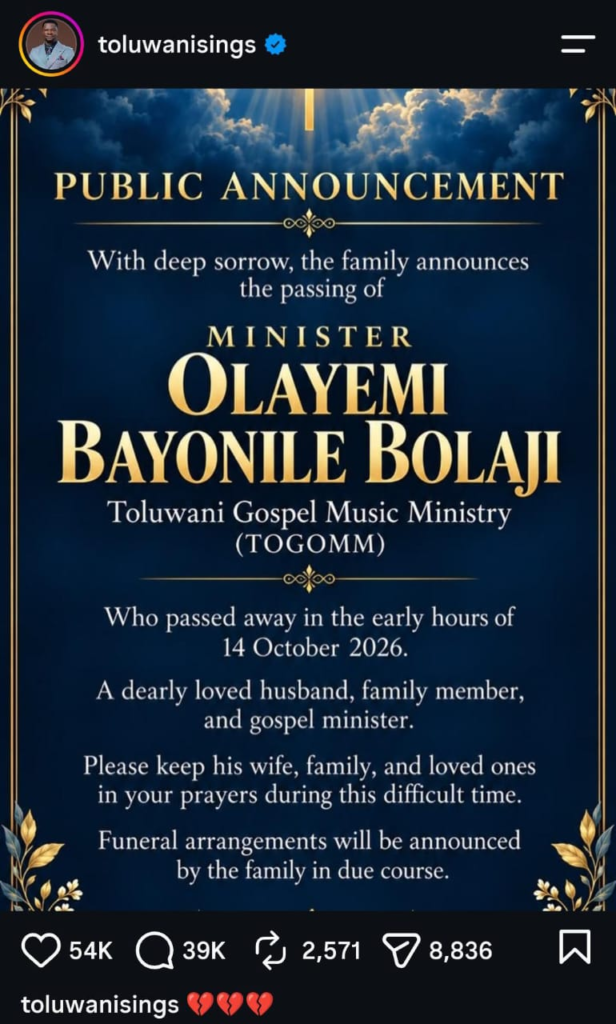
Popular Nigerian gospel singer Olayemi Bayonile Bolaji, widely known as Toluwasings, has died.
Follow our Whatsapp channel here
The sad news was announced on his Instagram page, where it was revealed that he passed away in the early hours of October 14, 2026.
Follow our Telegram channel here
As of the time of this report, the cause of his death has not been disclosed.
Follow our whatsapp channel here
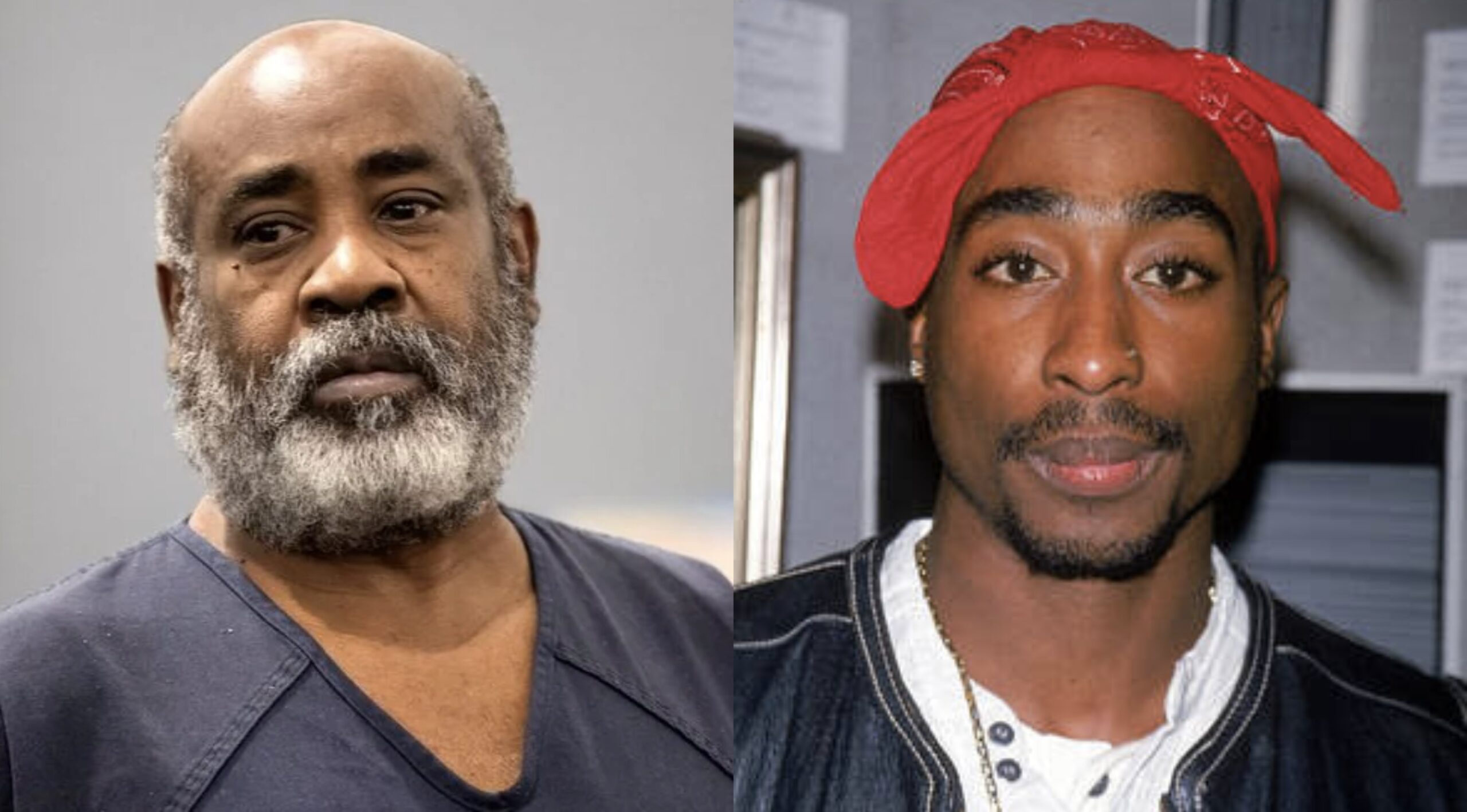
The 63-year-old was sentenced by Judge Carli Kierny, who ruled that he would receive credit for the time he has already spent in custody.
Follow our telegram channel here
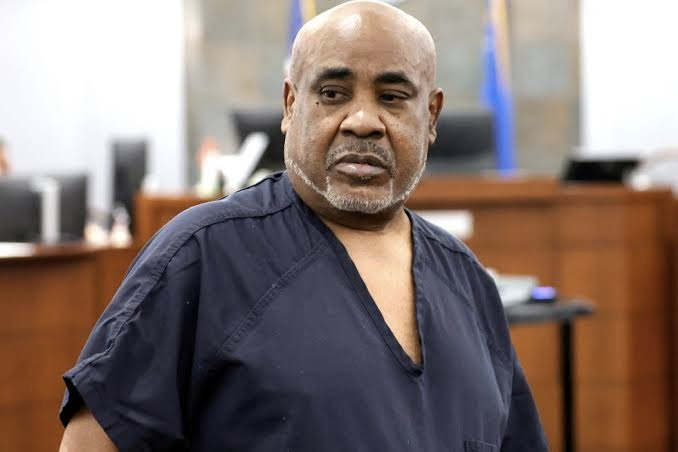
Davis was convicted in August of murder with a deadly weapon. Prosecutors had accused him of carrying out the killing to promote, further or assist a criminal gang, although they said the gang-related portion of the charge would be dismissed. He had pleaded not guilty to the charge.
During his sentencing hearing, Davis spoke briefly in court, asking for some of the belongings police seized from his home, including his photographs, to be returned to him. He told the judge that he had nothing else to say.
Following the sentencing, Clark County District Attorney Steve Wolfson said justice had been served for the late rapper and his family.
“Today, justice has been served for Tupac Shakur and his loved ones,” Wolfson said in a statement.
“While no amount of time in prison can bring Tupac back, we hope this sentencing brings some measure of closure and peace to his family after nearly 30 years. This case is a reminder that no matter how much time passes, our commitment to seeking justice never wavers.”
Shakur remains one of the most influential figures in hip-hop history. He died on September 13, 1996, six days after being shot while sitting in a vehicle at a red light in Las Vegas on September 7.
For years, the identity of those responsible for the shooting remained a major mystery. The case took a significant turn after Davis began speaking publicly about his presence inside a white Cadillac that investigators said had pulled up alongside Shakur’s vehicle on the night of the shooting.
During the trial, prosecutors argued that Davis had gone “hunting” for Shakur in retaliation against the rapper and Marion “Suge” Knight, co-founder of Death Row Records.
Chief Deputy District Attorney Binu Palal said Davis shot Shakur after the rapper and Knight had beaten up Davis’ nephew.
Prosecutors acknowledged that Davis had changed some details in his accounts over the years. However, they argued that key elements remained consistent, including his claim that he was inside the white Cadillac from which the fatal shots were fired.
Davis’ defence attorney, Michael Sanft, challenged the prosecution’s case, arguing that no evidence apart from his client’s own statements placed him in Las Vegas on the night of the shooting. He also pointed to the absence of surveillance footage, phone records and other physical evidence that could independently establish Davis’ presence at the scene.
Prosecutors said four men were inside the white Cadillac during the shooting. By the time Davis was arrested in 2023, he was the only surviving occupant, according to the prosecution. Another man whom prosecutors said had initially supplied the gun used in the shooting had also died.
Davis had previously described his involvement in the events leading to Shakur’s death in his 2019 memoir, Compton Street Legend. His lawyers attempted to prevent the book from being admitted as evidence during the trial, but prosecutors opposed the request.
news
Hassan Jihad Ibn Kariem Identified as Man Who Fell to His Death From Roller Coaster at Six Flags Over Georgia
Follow our whatsapp channel here
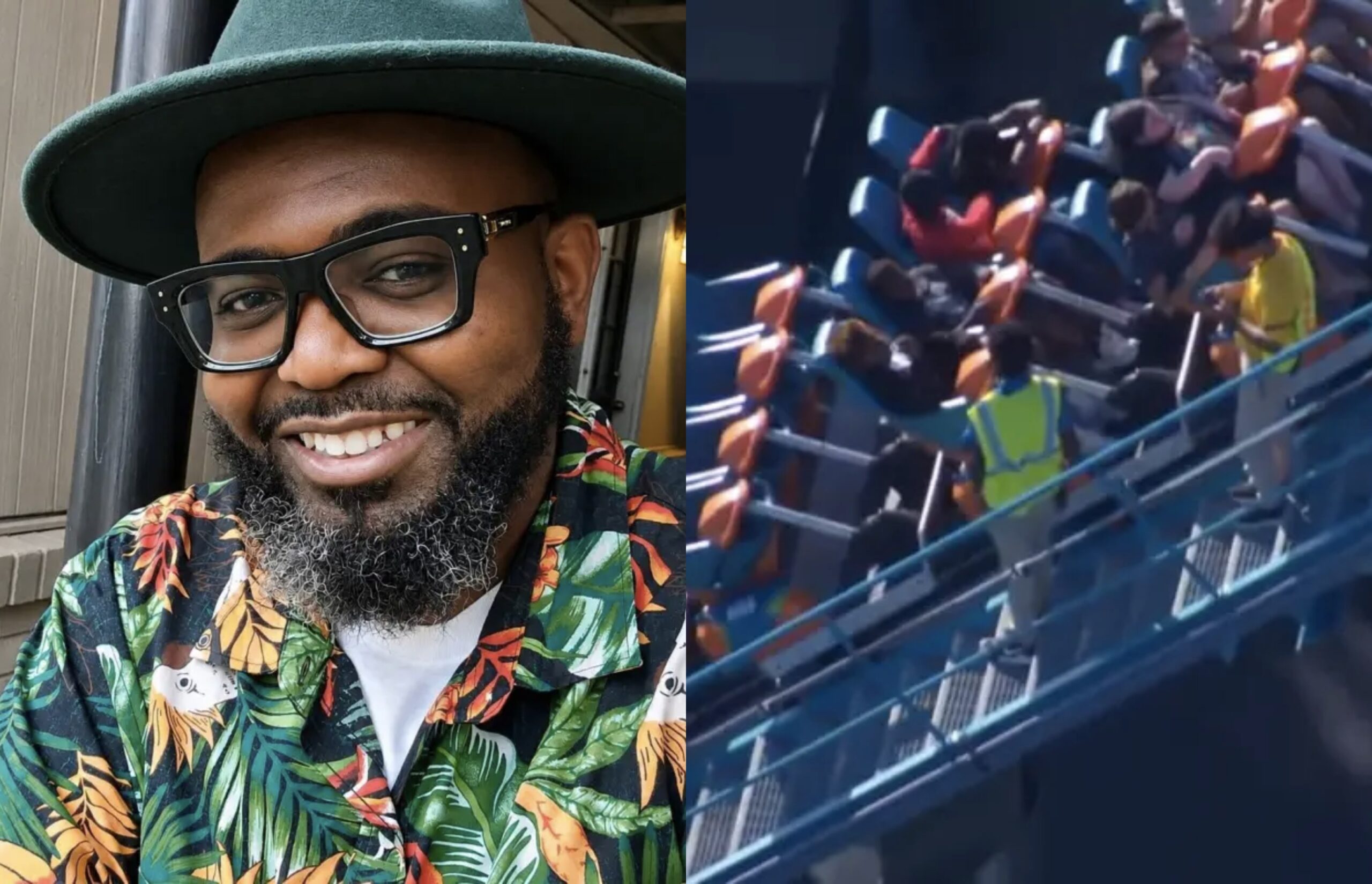
The victim, identified as 42-year-old Hassan Jihad Ibn Kariem, died on Monday after falling from the Goliath roller coaster, a ride that stands approximately 200 feet tall, at the amusement park in Georgia.
Follow our telegram channel here
Witnesses recounted the horrifying moments surrounding the incident, saying Kariem was riding the roller coaster with his son while his wife and daughter watched from the ground.
According to their accounts, Kariem somehow came out of his seat during the ride and struck the roller coaster cars three separate times as he fell.

Follow our whatsapp channel here
The Cobb County Police Department confirmed the death in a statement to Fox News, while reports from the scene indicated that multiple people were injured during the incident.
Follow our telegram channel here

In a statement, the park said: “We are deeply saddened by the guest incident at our park today”
“Our thoughts and heartfelt condolences are with the guest’s family, friends, and loved ones. We are also providing support to the guests and team members affected.”
An eyewitness who was at the park told WXIA that the incident happened in front of them.
“He was in our pictures,” the eyewitness said.
“He fell and hit the car three different times.”
Following the incident, the 200-foot-tall hypercoaster stopped moving, leaving passengers stranded on the track until emergency crews arrived to evacuate them.
Video from the scene showed passengers climbing out of the ride and making their way down a staircase positioned high above the ground.
Six Flags Over Georgia said its team responded immediately alongside local authorities and confirmed that it was cooperating with the investigation.
In a further statement, the amusement park said:
“The park team and local authorities responded immediately, and we are cooperating fully with local”
“Out of respect for the family’s privacy, we will not be sharing additional details at this time.”
See the video below……..
Six Flags Over Georgia is shut down after an emergency on Goliath. https://t.co/9w4TtoDQSU
— 🇺🇲 El Chumbito 🇺🇲 (@elchumbito83) October 12, 2026
news
New York Man Pleads Guilty to Murdering Ex-Girlfriend and Hiding Her Severed Head in Suitcase With a Flower

Follow our whatsapp channel here

Foy killed Dale between March 31 and April 1, 2024, and placed her severed head inside a suitcase with a flower. He was arrested while investigators were working to establish what happened to Dale and locate her remains.
Follow our telegram channel here

Deputies initially conducted a welfare check before opening a missing person investigation. When they visited Foy’s apartment on April 1, they found Dale’s car.
The following day, deputies returned to question Foy after a member of the public found Dale’s phone on the side of the road and handed it over to authorities. The discovery raised concerns that she might have been the victim of a crime.
During the investigation, Foy reportedly made a confession to officers who arrived at his home.

“She’s in there,” Foy whispered to investigators when they arrived at his home during the missing person investigation. “I killed her,” he added, according to court documents cited by the New York Post.
Investigators obtained a search warrant and searched Foy’s home. After shining a flashlight on a suitcase inside a closet, they “immediately noticed what appeared to be dried blood,” according to the documents.
“Officers opened the defendant’s suitcase and found Alberta Dale’s partial dismembered remains, including her severed head,” the court documents read, according to the New York Post.
“The remaining portions of her dismembered body were not located during the execution of the search warrant,” the documents add.
Foy was subsequently arrested and charged in connection with Dale’s death.
During a later interview with investigators, Foy said he “loved her,” according to the court documents.
He also spoke about their relationship, saying:
“The only thing she kept doing after the time throughout the whole relationship was just play me, play me like a fool, play me like a sucker, and just took advantage of the whole f–king system,” he said.
“That’s it. I was told to leave my own home. I was told to leave my own f–king home, not a bill in her name, and I was told to leave my own f–king home. Get out. Then it all started coming clearer to me,” he added.
When investigators asked him about the flower found inside the suitcase, Foy said he was thinking about “what still happened last night to take s— over the top.”
Court documents cited by the New York Post also indicated that Foy had a history of domestic violence against Dale.
Dale had previously warned authorities that “if she went missing it was because Foy killed her,” according to the court documents.
Under a plea agreement, Foy is expected to receive a prison sentence of 23 years to life, two years below the maximum of 25 years to life, according to the Daily Freeman.
His guilty plea brings a major development in the case surrounding Dale’s death, which began with concerns from her family about her disappearance in April 2024.


The traditional ruler served as the Amadabo of Moko-Ama in Sangana, Brass Local Government Area of Bayelsa State, from 2016 until his death.
Beyond his traditional leadership role, Kenibara VII also served as chairman of the Akassa Clan Council of Chiefs, a position he assumed after succeeding Chief Newton Igbani-Okuru.
His reported death has brought an end to his years of service as a traditional ruler and community leader.
May his soul rest in peace. Amen.
news
Elderly Woman Accused of Witchcraft Paraded in Enugu State as Villagers Force Her to Swear on a Grave

Follow Our WhatsApp Channel here
According to reports, the woman was accused of using charms against people in the community, with some villagers linking her to the deaths of several residents.
Follow Our Telegram Channel here
See video below…….
Elderly Woman Accused of Witchcraft Paraded by Villagers in Enugu State https://t.co/o658AgoAcI
— Iamelizabeth (@elizabethblogng) October 9, 2026