General news
Ancient Mummy Discovered with Passage from Homer’s Iliad Hidden Inside


Archaeologists have made a remarkable discovery after finding an ancient mummy containing a fragment of Iliad hidden within its abdomen.
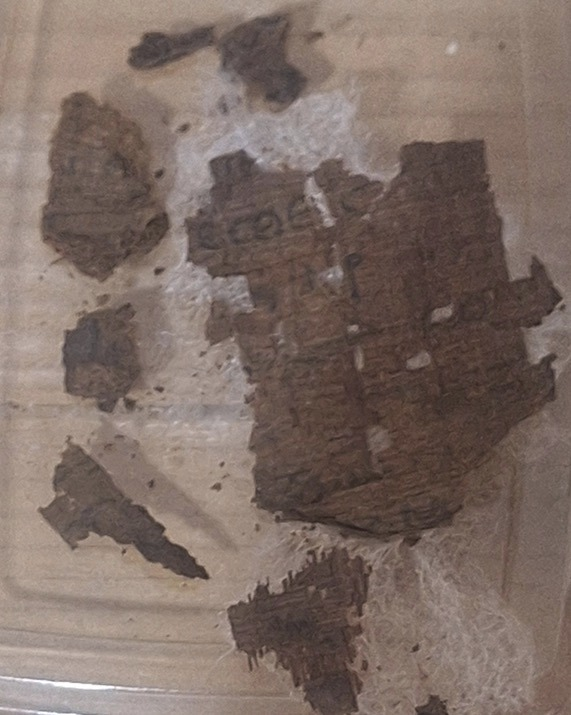
According to reports, the mummy contained a papyrus inserted during the embalming process. However, instead of the typical magical or religious texts usually associated with such practices, researchers identified a passage from one of the most famous works in Western literature.

Further analysis revealed that the text belongs to Book II of the Iliad, specifically the “Catalogue of Ships,” which describes the Greek forces preparing for the legendary Trojan War.
Experts have described the discovery as highly unusual. Ignasi-Xavier Adiego, a classical philologist involved in the study, explained that while papyri have been found in mummies before, they typically contain spells or ritual writings rather than literary works.

He noted that the presence of such a text represents a significant shift in understanding ancient burial traditions and raises new questions about the symbolic role of literature in funerary practices.
The papyrus was recovered during excavations and later analyzed by a team of researchers, who were able to identify the Greek text through detailed study.
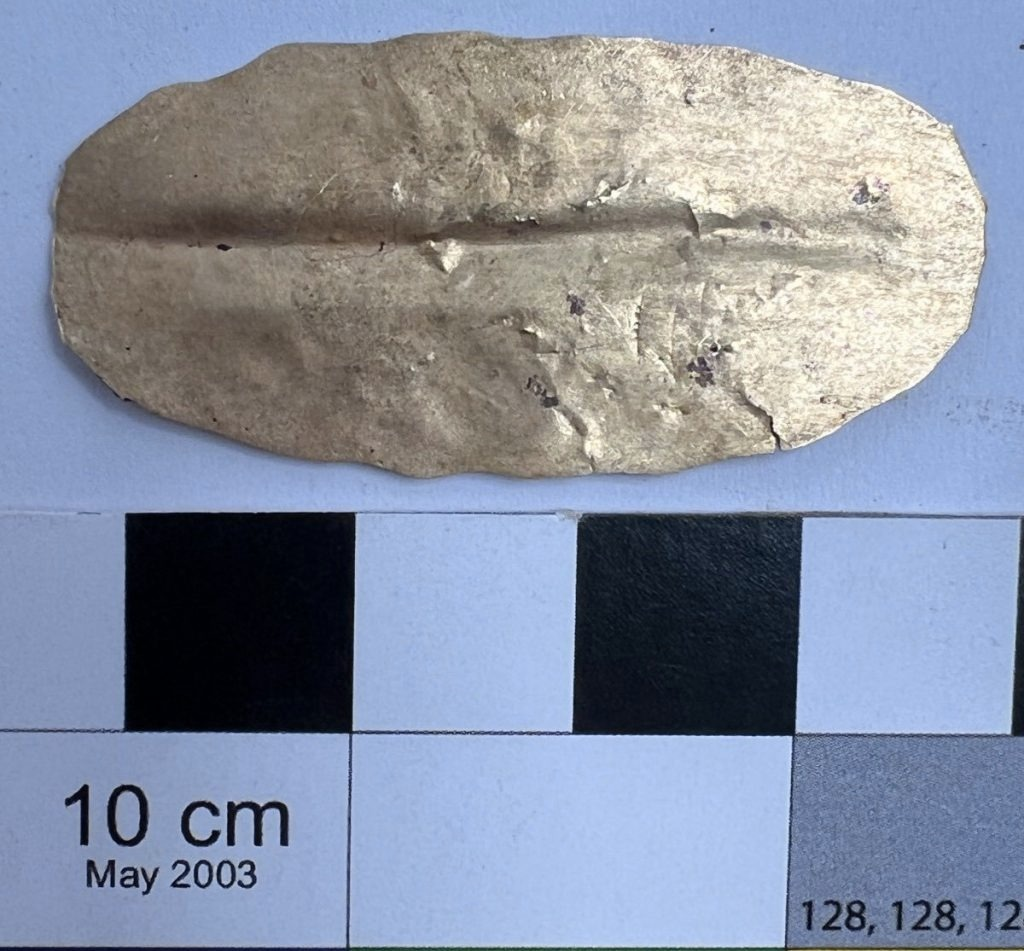
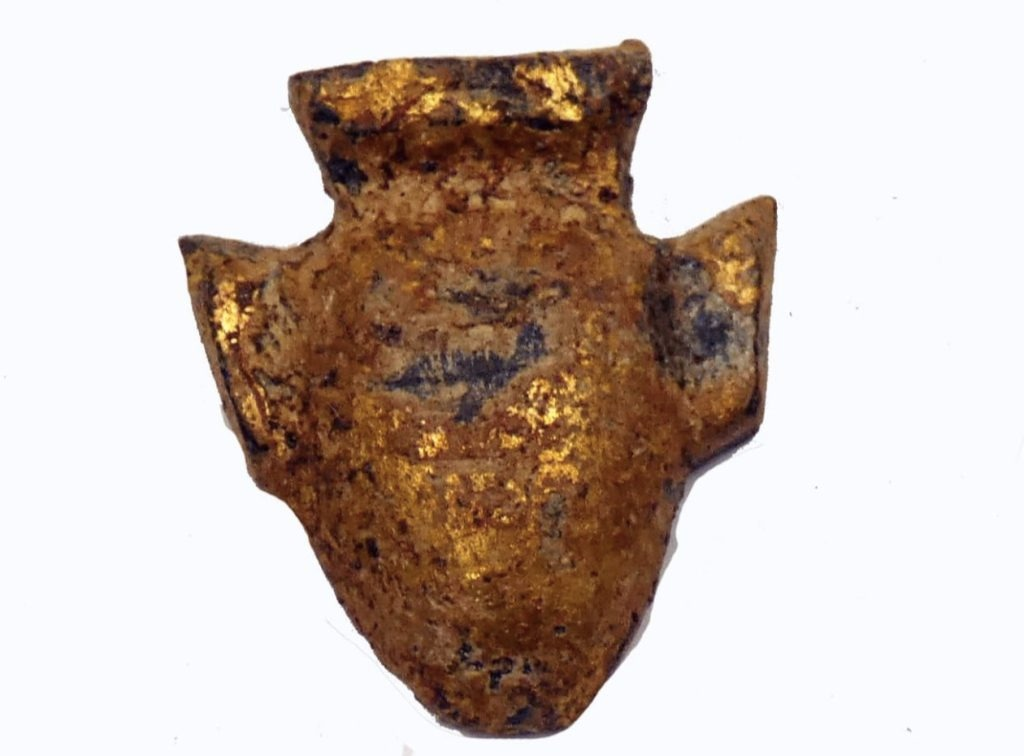
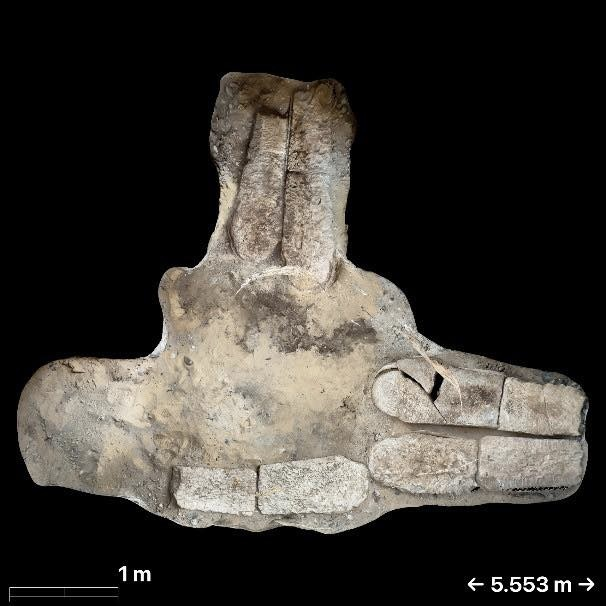
The mummy is part of a broader excavation that uncovered several Roman-era burials, including decorated coffins and other rare artifacts. Among these were mummies with gold tongues, believed to have been placed in the mouth to enable the deceased to speak in the afterlife.

The discovery was made at Oxyrhynchus, now known as Al-Bahnasa, located about 190 kilometers south of Cairo. The site has long been recognized as a major center of Greco-Roman culture and has yielded thousands of important papyri since the 19th century.
Researchers say this latest find stands out due to the rare combination of literary content and burial practice. The excavation was carried out by a Spanish archaeological mission led by the University of Barcelona, with findings contributing to ongoing studies of the historic site.






General news
Former University of Kentucky Cheerleader Laken Snelling Sentenced to 10 Years in Prison Over Her Baby’s Death

Follow our Whatsapp channel here
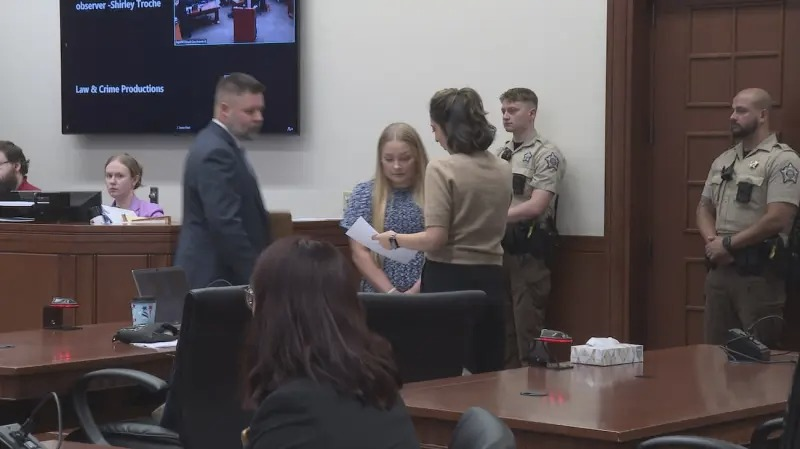
Snelling was indicted on manslaughter and three other charges in March before pleading guilty in August. The case dates back to August 2025, when her roommates reportedly heard loud noises coming from her closet and contacted authorities.
Follow our Telegram channel here

When officers arrived, they found the newborn inside the closet, wrapped in a trash bag. The baby was cold to the touch.
According to a statement from Lexington police, the Kentucky Medical Examiner’s Office determined that the infant had been born alive and died from asphyxiation.
During the court proceedings, Judge Diane Minnifield asked Snelling how she had ended the infant’s life. She responded, “I deprived him of oxygen.”

Snelling became emotional as she addressed the court, explaining the circumstances surrounding the incident.
“I was under a lot of emotional stress and my baby came unexpectedly.
“And instead of helping him, I ended his life and afterward I cleaned up and didn’t tell anyone.”
In addition to the manslaughter charge, Snelling pleaded guilty to abuse of a corpse, tampering with physical evidence and concealing the birth of an infant.
Following her arrest, Snelling reportedly told investigators that she remained awake for about 30 minutes after giving birth before passing out on top of the baby.
Court documents stated that when she regained consciousness, she noticed the infant was “turning blue and purple.”

Investigators also discovered that Snelling had deleted photographs of her labour from her phone, along with other evidence relating to her pregnancy, according to court documents.
General news
Man Charged With Murder After Burning His Wife to Death While Their Daughter Slept Upstairs

Follow our Whatsapp channel here

The suspect, identified as Jonathan Gatto, is facing charges over the death of his 41-year-old wife, Julia Pederson, in Harrisburg, Pennsylvania.
In addition to murder, Gatto is facing other charges, including arson-related offences, tampering with evidence, endangering the welfare of a child and abuse of a corpse.
Follow our Telegram channel here
Investigators later determined that the fire had been deliberately started in a downstairs bedroom. An affidavit of probable cause stated that blood testing established Julia was already dead before the fire began, while an autopsy revealed that she had been strangled.

During questioning, Gatto reportedly told investigators that his marriage to Julia had been troubled and that they had been discussing how to tell their daughter about their plans to separate.
He also claimed that Julia returned home from work the previous day feeling unwell and had taken medication for her migraines.
According to the affidavit, Gatto told investigators that he later heard noises coming from upstairs, including what he described as someone trembling down the stairs. He said he went to the landing overlooking the basement but did not see anyone.
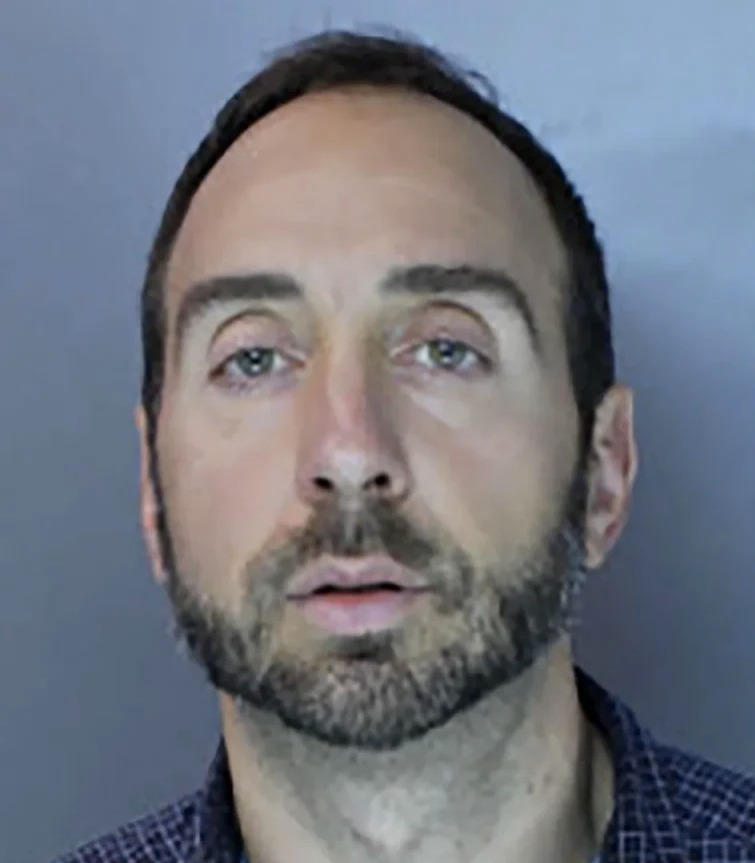
He further claimed that he asked Julia if she was okay after hearing her mumble something, before hearing her bedroom door close.
Gatto also told investigators that he woke up at around 2 a.m. to offer his wife medication, but she declined.
He reportedly claimed that smoke alarms later woke him up, prompting him to rush upstairs to rescue their daughter before calling 911.
He reportedly claimed that smoke alarms later woke him up, prompting him to rush upstairs to rescue their daughter before calling 911.
According to his account, he then attempted to return inside to save Julia but burnt his hand while reaching through a bedroom door and was forced to retreat.
The couple’s seven-year-old daughter was reportedly asleep upstairs when the alleged killing took place.
Meanwhile, Julia’s sister, Abbey, has organised a fundraiser to help cover funeral expenses and establish a scholarship fund for her niece.
In the appeal, the family described Julia as a beloved friend, daughter, sister, wife and mother whose death had left a deep void in the lives of those who knew her.
The statement also expressed gratitude for the support received from relatives, friends, colleagues and members of the community during the difficult period.
Julia was a dedicated paediatrician who was certified in general paediatrics by the American Board of Pediatrics. She graduated from Harvard University before earning her medical degree from Stanford School of Medicine.
She subsequently completed her paediatric residency at Northwestern’s Lurie Children’s Hospital of Chicago, dedicating her career to caring for children and supporting their families.
Beyond her medical career, Julia enjoyed exploring nature preserves, reading and learning to crochet. She lived in Harrisburg with her family and was remembered by her loved ones for much more than her professional achievements.
The fundraiser’s statement also highlighted the loss her daughter has suffered, noting that the young girl is in second grade.
The family said they hoped to surround Julia’s daughter with the same compassion and care that Julia had shown to others throughout her life.
At the time of writing, the fundraiser had raised $26,036, equivalent to approximately £19,532, to support the family and help secure the young girl’s future.
General news
Detention Deputy Fired After Posing for Photos With Inmates and Posting Them Online Just Four Months After Starting the Job

Follow our Whatsapp channel here
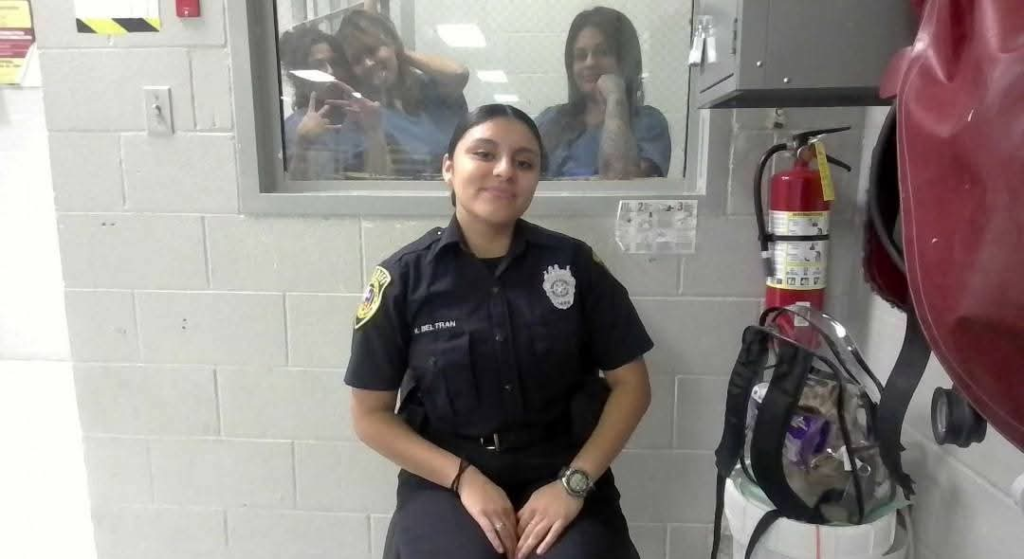
The Bexar County Sheriff’s Office confirmed on Tuesday that Detention Deputy Karla Beltran was dismissed on Monday, October 12, under a probationary dismissal.
Follow our Telegram channel here
In one of the pictures, Beltran can be seen raising her middle finger towards the camera.
It remains unclear who took the photographs or the circumstances under which they were taken. However, the images drew attention after they were shared on social media.
Beltran had only joined the sheriff’s office in July, meaning she had worked for approximately 100 days before her dismissal.
See photos below……..
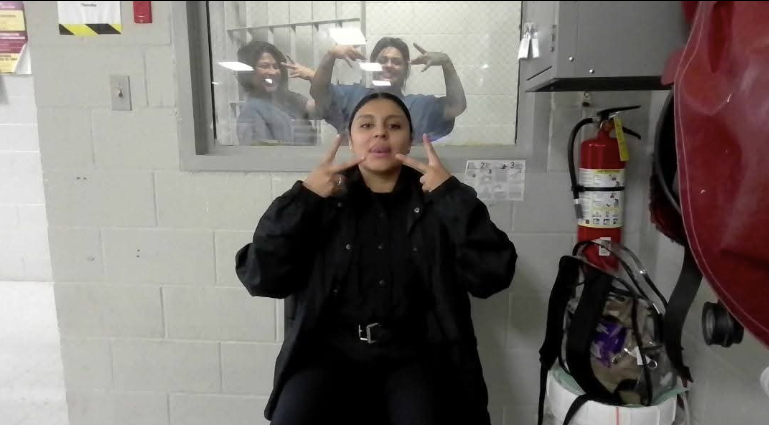

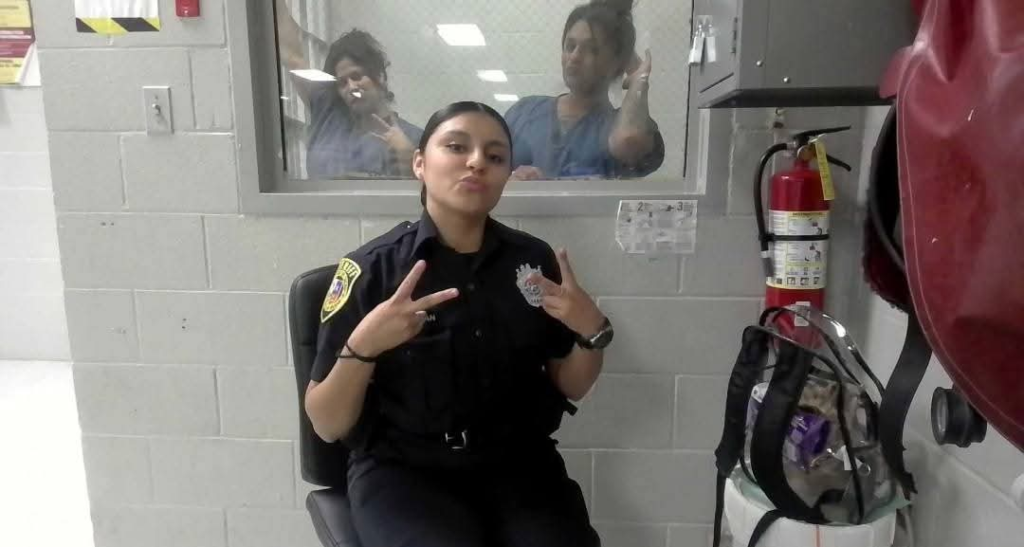

Follow our whatsapp channel here
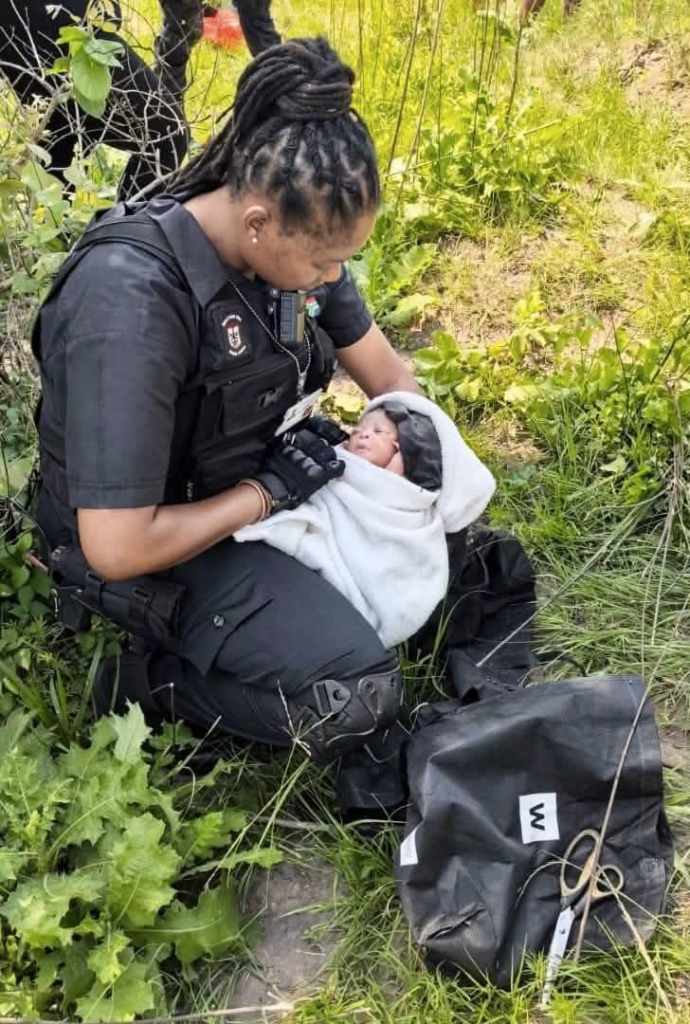
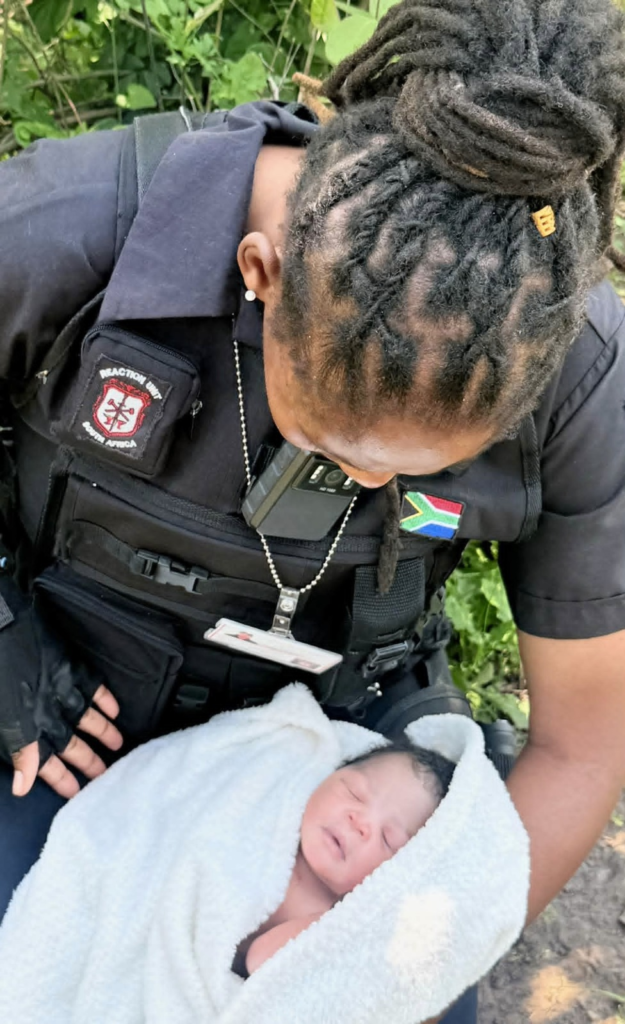
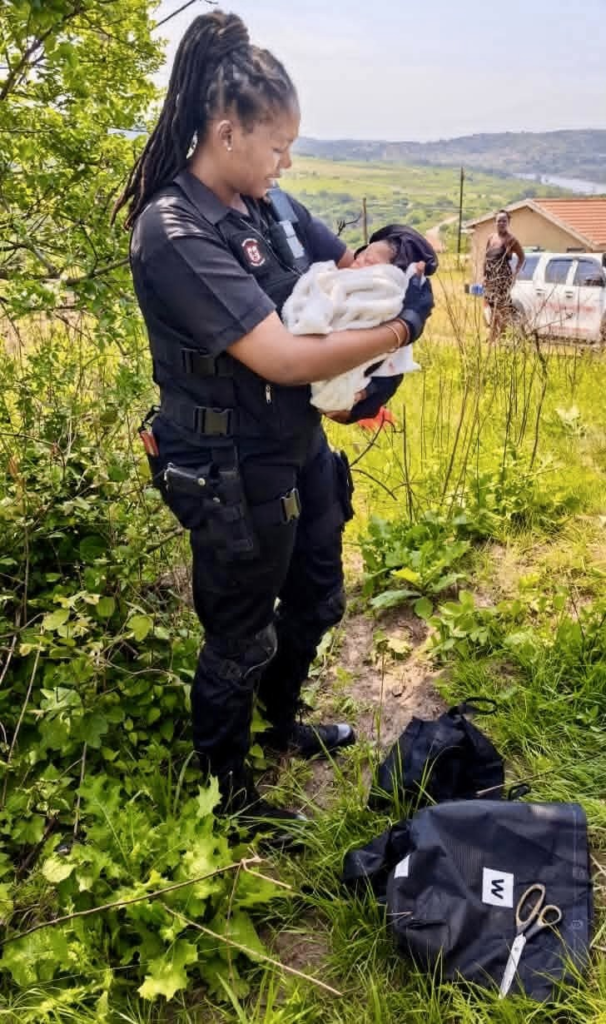
The baby was discovered on Tuesday, October 13, by a couple who heard her crying while passing through the area. Members of Reaction Unit South Africa (RUSA) were subsequently called to the scene to assist.
Follow our telegram channel here
According to an eyewitness account, a woman was seen entering the bush at approximately 2 p.m. on Monday, October 12, carrying a Woolworths shopping bag. Locals reportedly did not realise that she was carrying a baby.
At about 9:45 a.m. on Tuesday, RUSA’s headquarters received a call for assistance after the couple discovered the infant inside the bag.
The couple reportedly followed the sound of crying and found the newborn inside the shopping bag. They then used scissors to open the bag and discovered the baby wrapped in a black T-shirt.
According to the report, the baby’s umbilical cord had been cut but left untied, while the placenta was also found inside the bag.
When RUSA personnel arrived, paramedics examined the baby girl and found her to be in good condition.
She was subsequently transported to a local government hospital for further medical attention.


General news
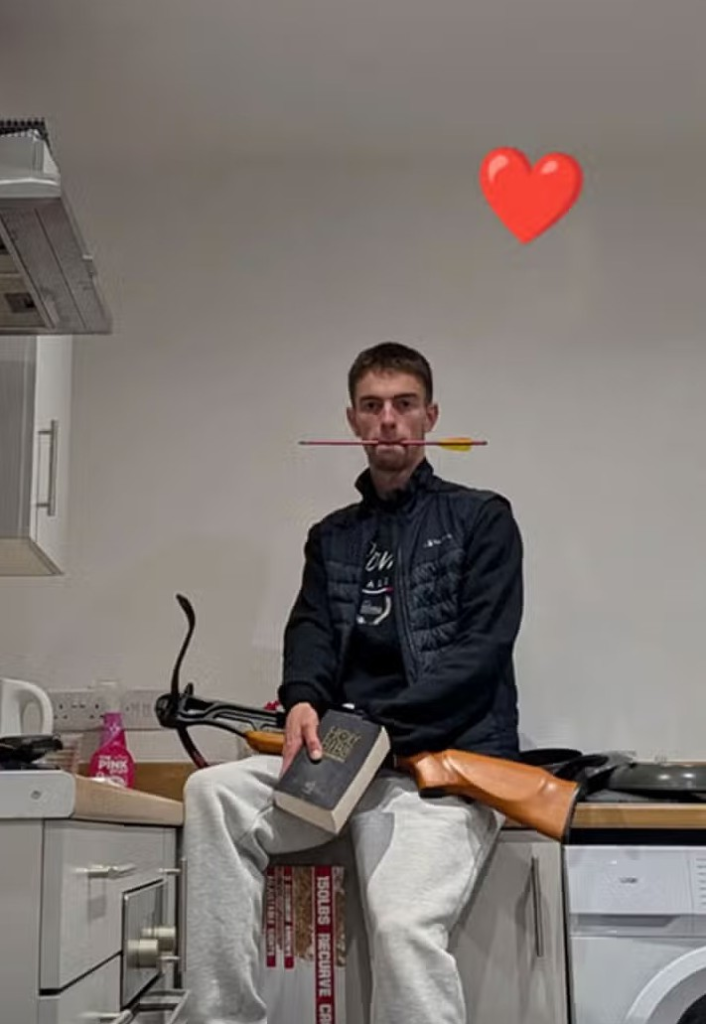
Man Mauled to Death by Tiger After Entering Its Den at Yorkshire Zoo to Take Photos With the Animal

Follow our whatsapp channel here

Reports indicate that Chapman was killed on Saturday after entering the enclosure of a male Siberian tiger weighing approximately 200kg and identified as Altai.
Follow our telegram channel here
However, the situation took a dangerous turn when he reportedly began climbing into the animal’s enclosure. A woman was said to have tried desperately to stop him, but he eventually dropped approximately 12 feet to the floor inside the enclosure.

Witnesses described scenes of panic as the tiger attacked him. Chapman was reportedly heard breathing heavily before onlookers began shouting and screaming, with one person heard exclaiming, “Oh my god”.
During the attack, he was also reportedly heard shouting “stop” and crying out “no, no”. Witness accounts further suggested that he used a sign language system commonly associated with people who experience difficulties communicating.
Emergency services were reportedly alerted to the incident at approximately 1:35 p.m.
Meanwhile, a witness who took photographs of Chapman during the incident was said to have become emotional while appealing to social media users to refrain from posting hurtful comments about the tragedy.
The witness reportedly urged online users to think carefully before sharing insensitive remarks, particularly in response to the circumstances surrounding the man’s death.
See his photos below………

General news
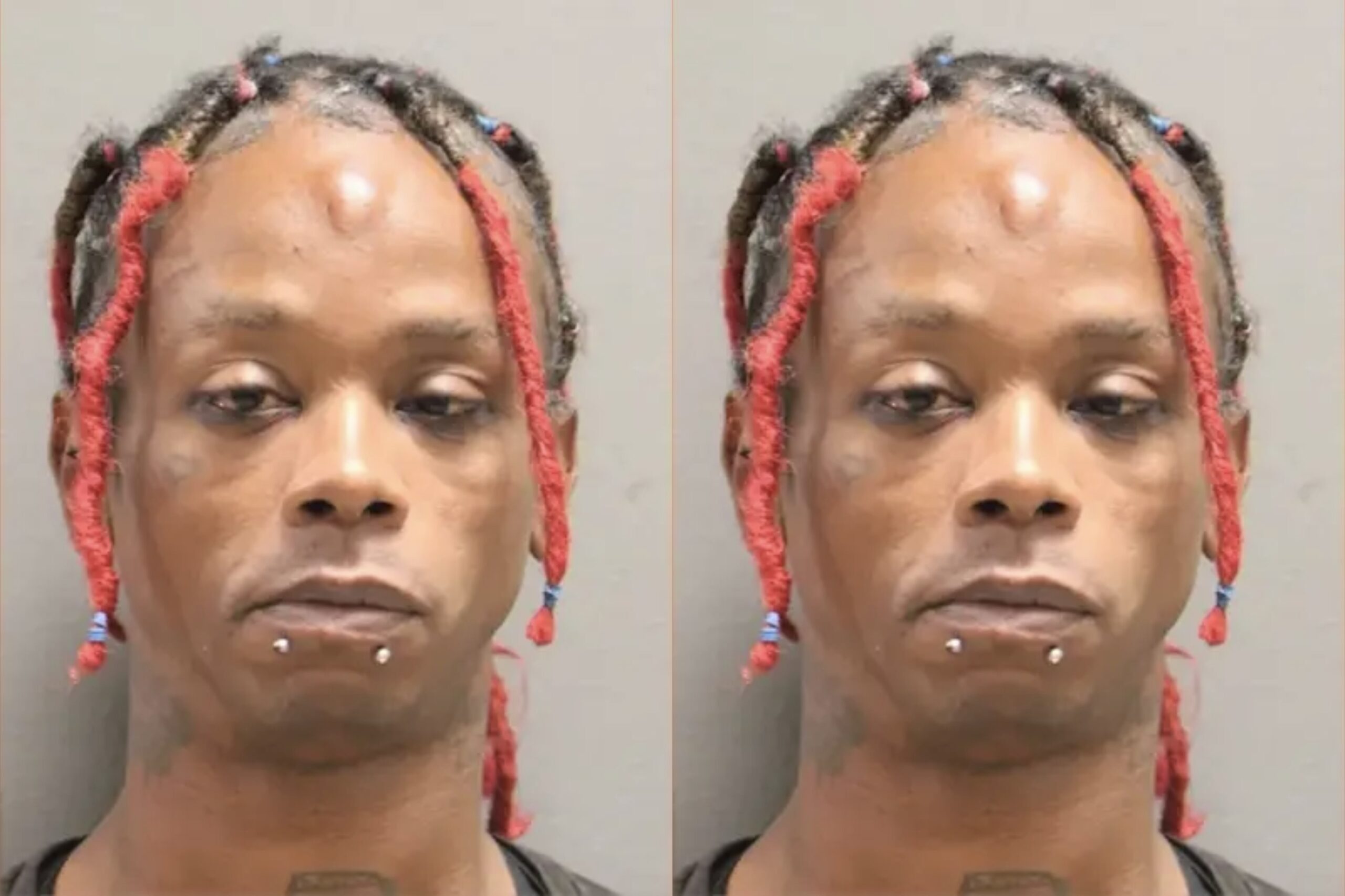
Transgender Woman Arrested After Fatally Stabbing Man Who Mocked Her for Using Women’s Bathroom Instead of Men’s
Follow our whatsapp channel here
According to prosecutors, the incident occurred on October 7 on Chicago’s Far South Side after an argument reportedly broke out over comments about Day’s gender identity and her use of a female restroom at McDonald’s.
Day was reportedly with her partner and her seven-year-old stepson when the confrontation began. Assistant State’s Attorney Sara Grgurovic provided details of the incident during a Saturday hearing at Central Bond Court.
Follow our telegram channel here
According to prosecutors, Young approached Day on the street and made comments about her gender, triggering an argument between the pair. As tensions escalated, Day’s partner reportedly attempted to pull her away from the confrontation.
Authorities said Young pushed Day before walking away toward a nearby gas station across the street.
Surveillance footage reportedly showed Day holding a knife above Young while he was lying on the ground before stabbing him 13 times in the head, neck and upper shoulders, according to the Chicago Tribune.
Following the incident, Day allegedly called 911 and reported that she had been injured while defending herself from a “pervert.” Prosecutors said she then threw away the knife and left the scene.
Police later recovered the weapon, which was found with part of its blade missing.
During a subsequent 911 call, Day reportedly gave a different account of how she sustained her injury, claiming she had cut herself while cooking. Authorities later arrested her at a city hospital, where she had sought treatment for a cut to her finger, Grgurovic told the court.
Following her arrest, Day reportedly told investigators that Young had directed a gay slur at her, made a gun gesture and threatened to have someone beat her up.
An autopsy determined that Young died from multiple sharp-force injuries. Prosecutors and the Cook County medical examiner’s office also reported that the tip of the metal knife was later recovered from his skull.
General news
It’s My Rebirth Today — Actress Uchenna Nnanna Celebrates One Year of Surviving Accident

Follow our whatsapp channel here
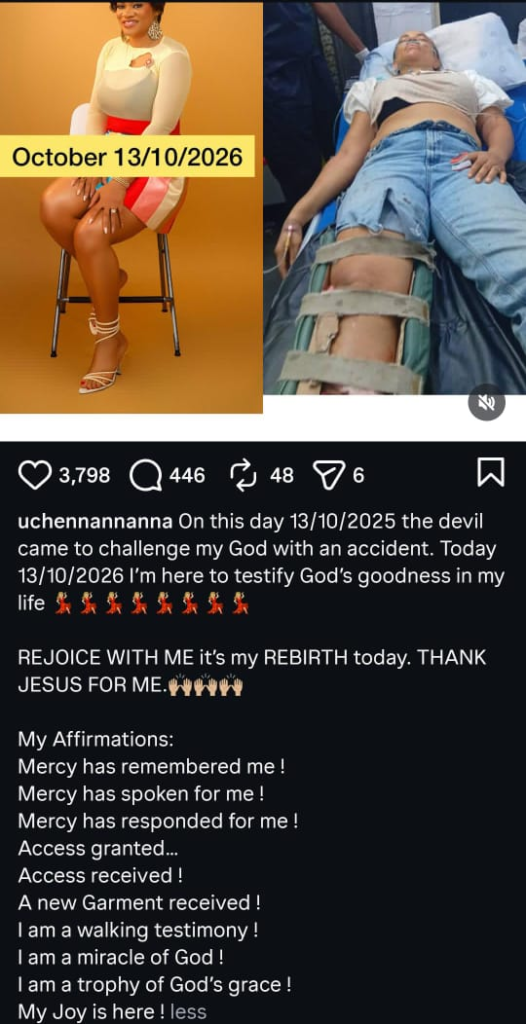
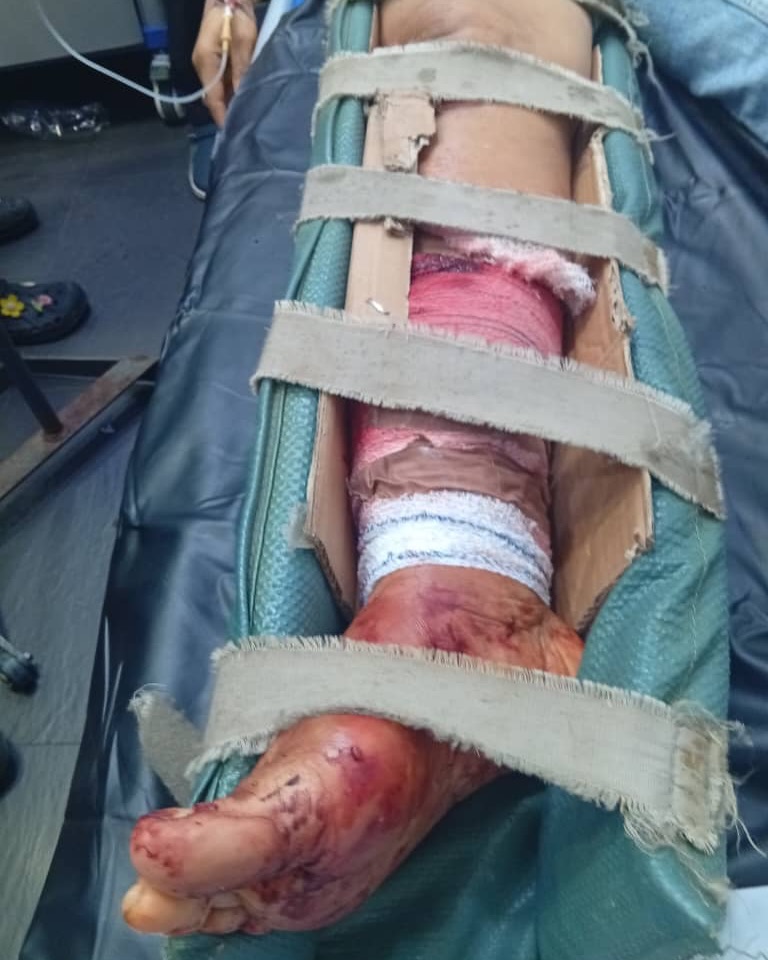
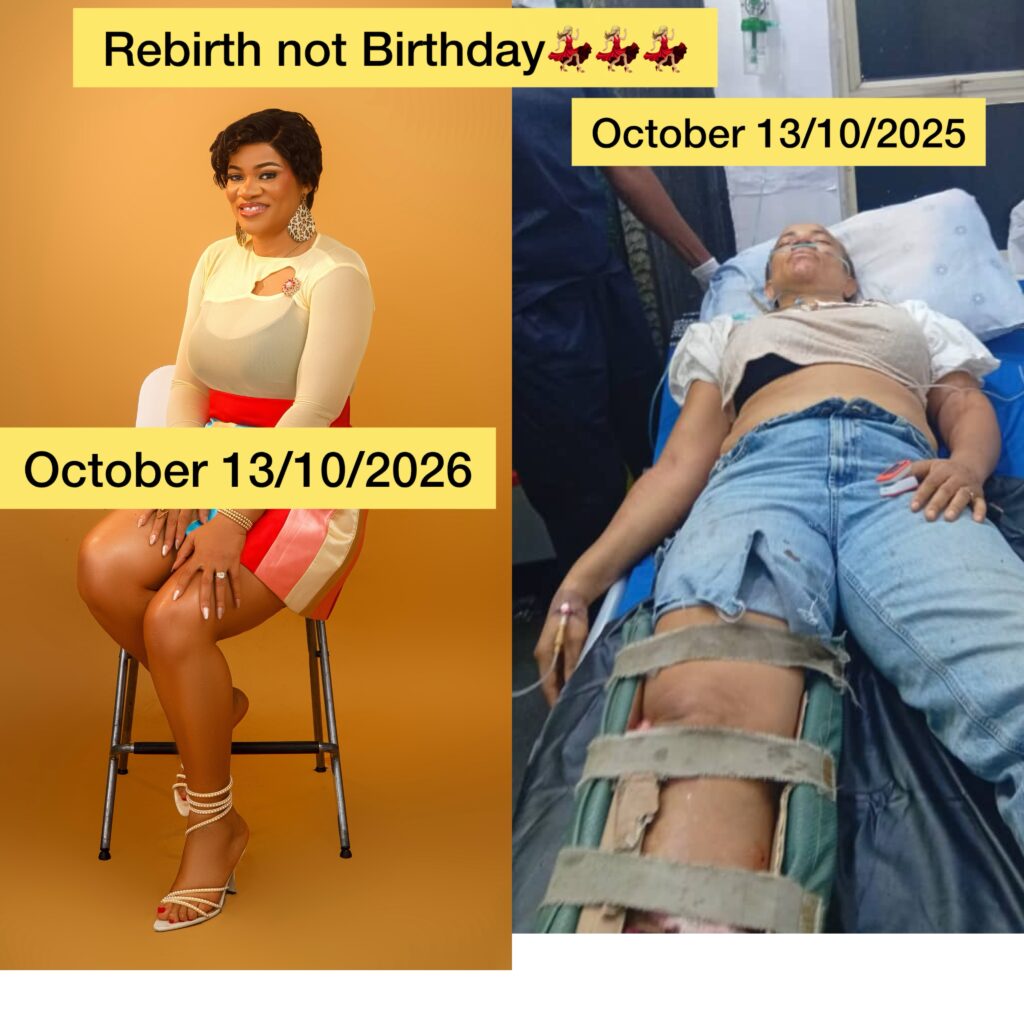
In a post shared on her Instagram page on October 13, 2026, the actress reflected on the accident, which occurred on October 13, 2025. She described the anniversary as a special day of thanksgiving and celebration of God’s goodness in her life.
Follow our telegram channel here
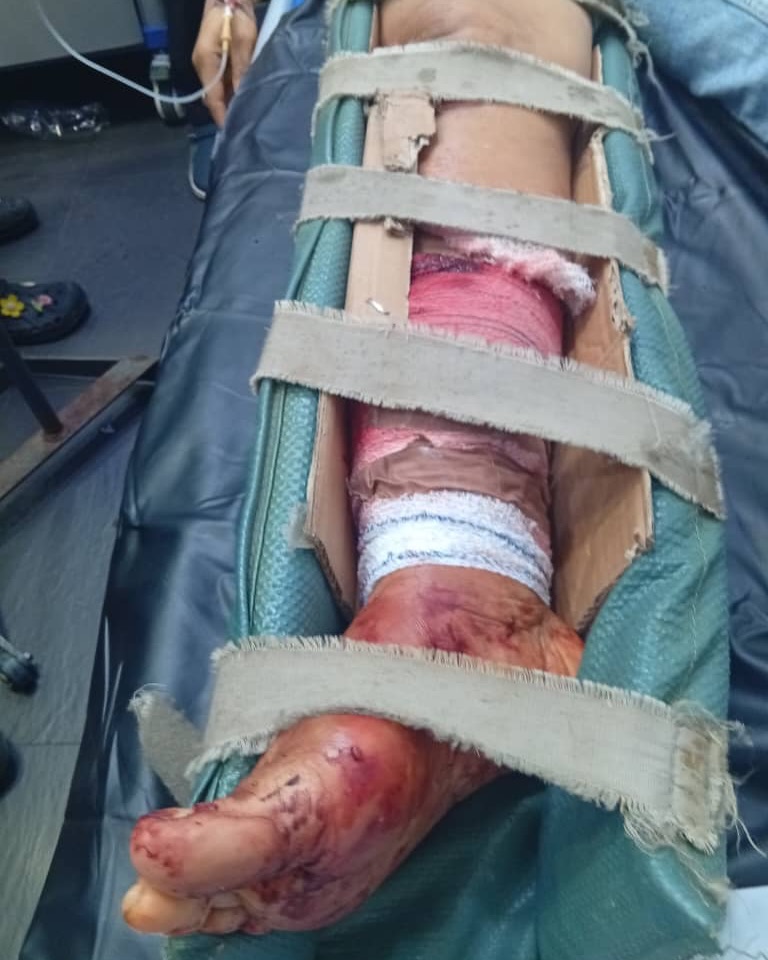
Uchenna also shared photographs showing her condition in the hospital after the accident and how she looks following her recovery.
She wrote:
“On this day 13/10/2025 the devil came to challenge my God with an accident. Today 13/10/2026 I’m here to testify God’s goodness in my life 💃🏼💃🏼💃🏼💃🏼💃🏼💃🏼💃🏼💃🏼
REJOICE WITH ME it’s my REBIRTH today. THANK JESUS FOR ME.🙌🏼🙌🏼🙌🏼
My Affirmations:
Mercy has remembered me !
Mercy has spoken for me !
Mercy has responded for me !
Access granted…
Access received !
A new Garment received !
I am a walking testimony !
I am a miracle of God !
I am a trophy of God’s grace !
My Joy is here !”

General news
My Wife Tried to Kill Me on Our Wedding Day After Sleeping With My Best Friend – Man Cries Out and Shares His Experience

Follow our whatsapp channel here
In a video shared on the platform, Alabaster claimed that his wife slept with his best friend on their wedding day and that she later attempted to kill him while they were returning home.
Follow our telegram channel here
According to him, he met his wife, whom he identified as Oyinola, in 2022 while they were both in their final year at university. He said he was initially not interested in a relationship, but her kindness and financial support eventually brought them closer.
Alabaster explained that Oyinola helped him financially during his final year, including covering expenses related to his final-year project. He said their relationship became serious after graduation, when he realised he had fallen in love with her.
He also described his best friend as someone he had known since their first year at university. According to him, they attended the same secondary school, gained admission into the same university and shared a close friendship.
Alabaster said he eventually introduced oyinola to his best friend after their relationship became serious. However, he claimed that things began to change after the introduction.
He further explained that he introduced Oyinola to his mother, who reportedly welcomed her warmly. The family later began making plans for their wedding.
According to Alabaster, he had no reason to suspect that anything was wrong because his best friend remained close to him and even helped with the wedding preparations.
He said he only became aware of the situation on his wedding day, when he and Unlola had exchanged vows and were preparing to move from the church ceremony to the reception.
Recounting his experience, Alabaster said:
“Hello everybody. My name is Alabaster, and I’m sure you must have seen the previous post that I made about how my wife slept with my best friend on my wedding day and how she tried to kill me on our way home. So I met Unlola in 2022 in school in my final year, and at first, I was never ready for a relationship. You know how sometimes you are not ready for a relationship, but then again, this girl likes you and wants to have something to do with you. So she was so good. She was so nice. She was so caring. She actually was helping me financially in my final year because there were a lot of things that I could not pay for, especially when it was time for my final year project. She was responsible for everything that I did for my final year, and then we graduated. Things got serious because I started to fall in love with her, and yeah, I decided to move it on to the next level. And then there was my best friend, who was in the same department as myself, and we have been close since hundred level. We have been doing a lot of things together. We actually attended the same secondary school. We got admission into the same university. So when I say he’s my best friend, you definitely know how close this person was to me. I introduced my girl to my best friend because he has always seen us together in the final year. He had always suspected that something was going on between us, but I was always putting it off. But then, when we were done with school, I decided to just lay the cards on the table for him and introduce Oyinola to him. And that was how they started. That was how they started. I really do not like talking about this, but I think this video might help someone out there because sometimes, all we think is love is actually not love. Things got serious. I introduced Oyinola to my parents. My mother is my mom because my dad is late. I introduced Oyinola to my mom, and my mom liked her. Oyinola is actually a very, very wonderful girl. She loved me because I saw it. She loved me. She cared for me. Maybe it was just indiscipline on her part, but I know that she loved me. I know that she cared for me. My mom loved her at first sight. My mom appreciated the fact that she was also Yoruba, and then we started making wedding plans. Everything was smooth. I had no idea about what was going on. I had no idea about anything because my best friend was always with me. My best friend was planning this wedding with me. My best friend was very supportive as well, so I never had the slightest idea that something was going on until my wedding day. On this fateful day, I walked down the aisle with my wife, and—sorry, excuse me, sorry, excuse me—so I walked down the aisle with my wife, and the wedding was over. We were moving over to the reception. For those of you familiar with how Nigerian weddings are, after the church service, you then go for the reception, which is normally in the evening. So then, you know, we would definitely have to go change from our wedding gown and my suit into something more comfortable, something more vibey, because we were going to dance during the reception. And there was an after-party, a nice party where friends come and dance, and we have a bit of drinks and food to eat, just spending the night together. And then my wife was in her room changing.”
See the video below……..
@alabaster_zoe Part 2 drops tomorrow…
♬ original sound – Alabaster_Zoe
General news
You’ll Be Sent Back to Nigeria! – Kenyan Presidential Candidate Patrick Osoi Nyambaka Warns Dangote Against Building a Refinery in Kenya

Speaking at a campaign event, Nyambaka said that if he becomes Kenya’s president, his administration would prioritise local businesses and domestic industries rather than rely on foreign investors.
“I want to tell Dangote, please don’t hurry up to start the refinery because by next year February, the time I’m sworn in as the president of this country, you’ll be back going to Nigeria.
“We have refinery which can do that job. We also have business people in this country who can do that job,” he added.

Follow Our WhatsApp Channel here
In a video shared online, the lady made her position clear while speaking about the respected cleric.
“Even if I loss memory, I no fit forget say Pastor E,A Adeboye no bi God call am” she captioened the video
Follow Our Telegram Channel here
Her post has since drawn reactions from social media users, with the discussion centring on her comments about the RCCG leader and the offerings shown in the screenshot.
See below………………
@tshine.reborn Call him what you want! TIME FOR JUDGEMENT IS NOW! #religion ♬ original sound – M😎