Follow Elizabethblog WhatsApp channel here
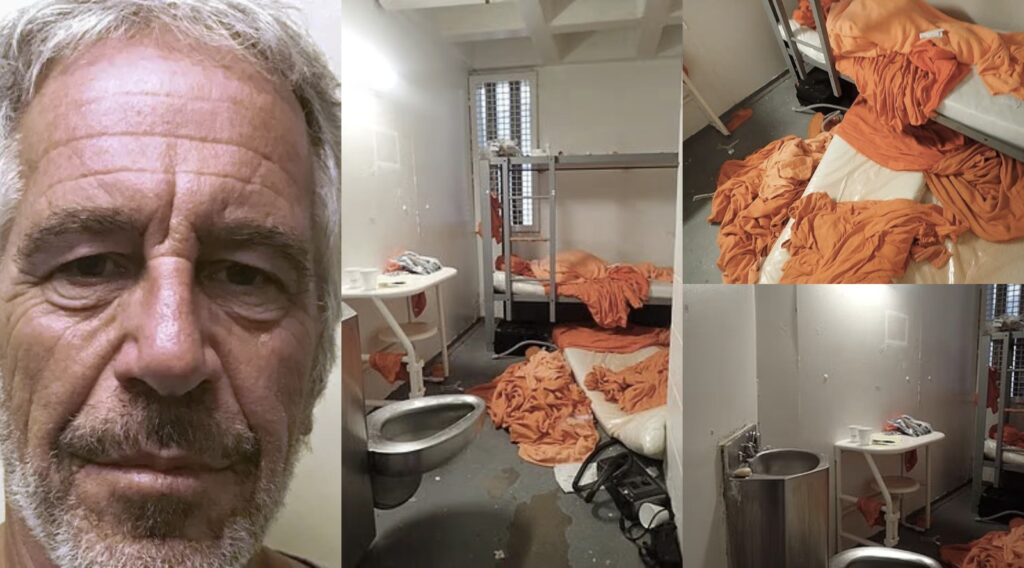
Epstein was found dead inside his cell at the Metropolitan Correctional Center (MCC) in Manhattan in August 2019, weeks after being arrested on child sex trafficking charges.
Follow Elizabethblog Telegram channel here
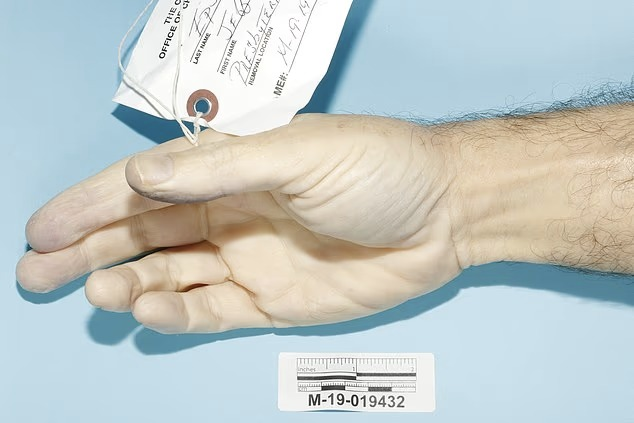
According to Dr Freeman, the marks visible on Epstein’s neck include a dark area around his throat and a line extending towards his ear, which he believes could indicate pressure from a ligature.
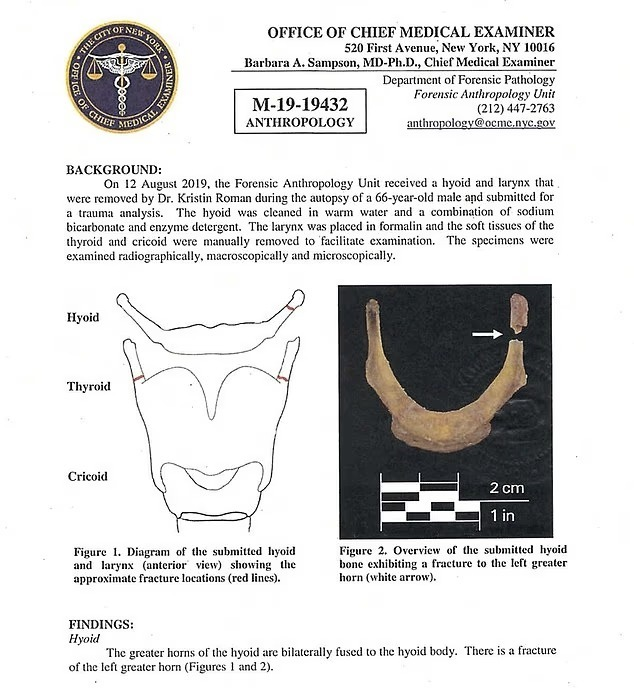
He also questioned whether the injuries were consistent with hanging, pointing to what he described as a Y-shaped pattern and a second ligature mark at a different angle.
Speaking about the images, he said:
“that doesn’t look like a hanging mark
“The injury pattern described by officials as a sloped or as a peaked injury was a perfect description for a hanging.
“But that’s not what we saw when we saw the photos.
Dr Freeman argued that the shape and positioning of the marks should be examined further, claiming they could indicate that Epstein was strangled.
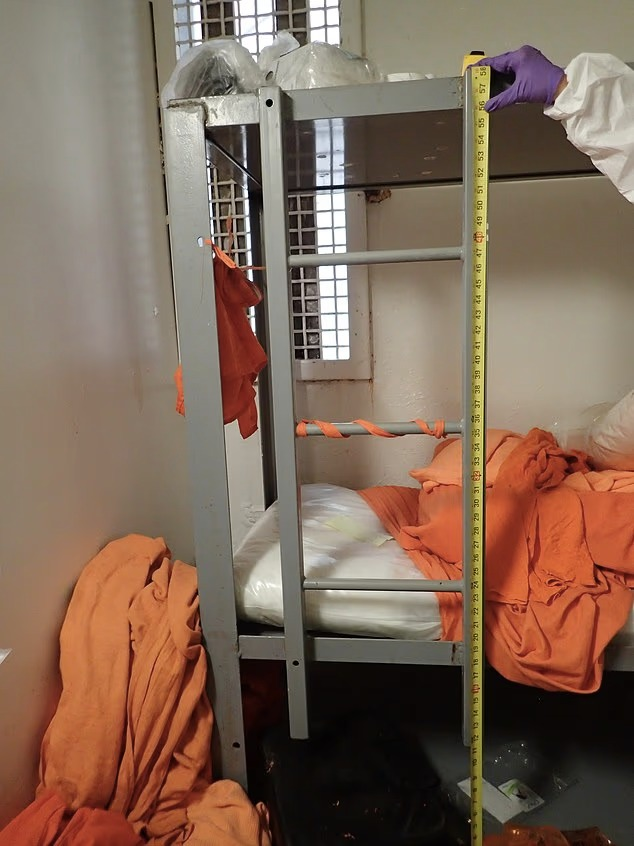
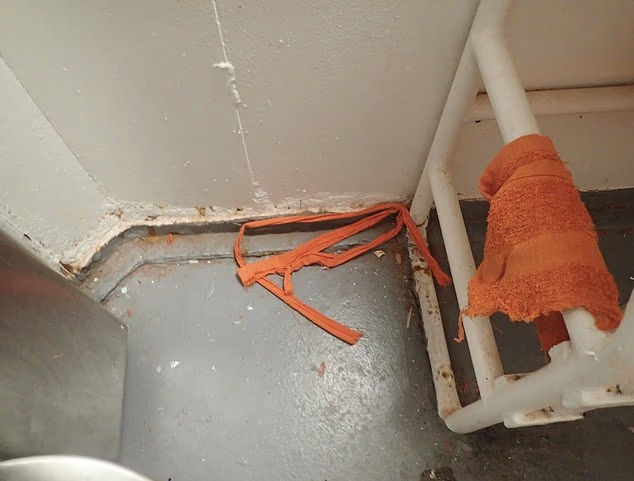
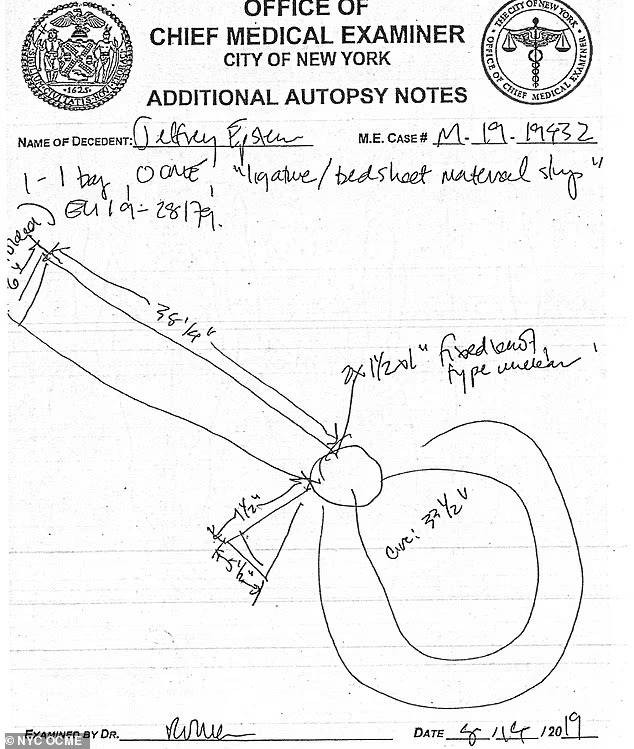
Other photographs reportedly show a piece of torn orange fabric inside the cell. Dr Freeman claimed the material could have been used as a ligature, pointing to what he described as a double-knotted loop.
He said:
“And if we put those together in a format in which the knot, one of these knots, is applied as pressure to produce this irregular abrasion at the back of the neck, we actually have a fairly good explanation for all the injuries.
The forensic scientist also suggested that injuries to Epstein’s face and left shoulder could indicate an assault or physical struggle before his death.
He further claimed that a closer examination of the marks on Epstein’s neck could reveal possible fingernail injuries.
He added:
“And if you put it all together, it is most consistent with a homicidal strangulation from behind using a narrow knotted fabric ligature”
Dr Freeman also questioned the interpretation of the injuries documented by the medical examiner.
He said:
“The injuries that were documented by the medical examiner were not consistent with the suicidal hanging.
“And the injuries that were attributed to something other than potentially a physical struggle or assault were just overlooked.
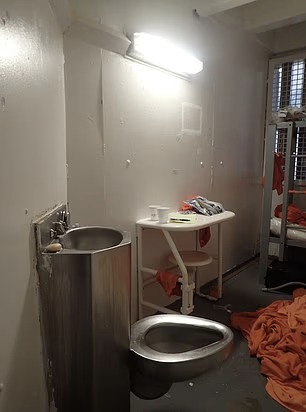
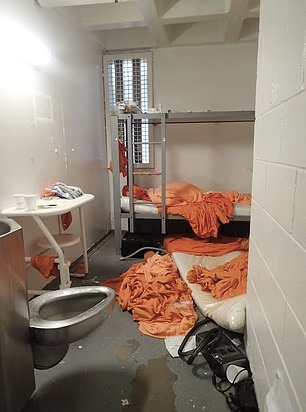
The newly circulated photographs also provide a fuller view of Epstein’s cell and some of the items found inside it.
Medication can be seen scattered across the top bunk, while torn orange bedsheets and a prison-issued sandal are visible on the floor.
Investigators also photographed the CPAP machine Epstein used while sleeping, along with its packaging.
A defibrillator is seen on the floor, reportedly used during efforts by prison staff and paramedics to revive him.
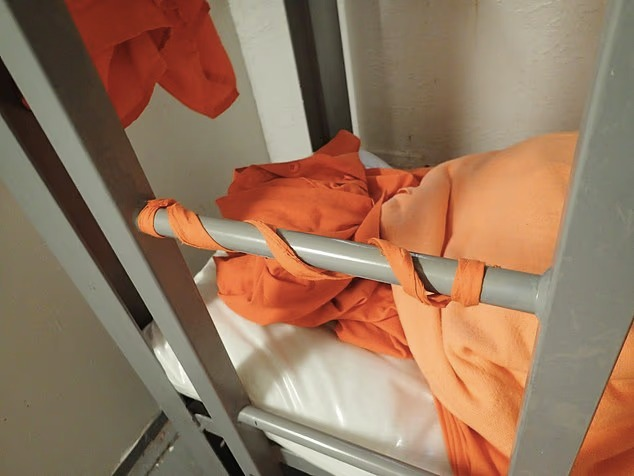
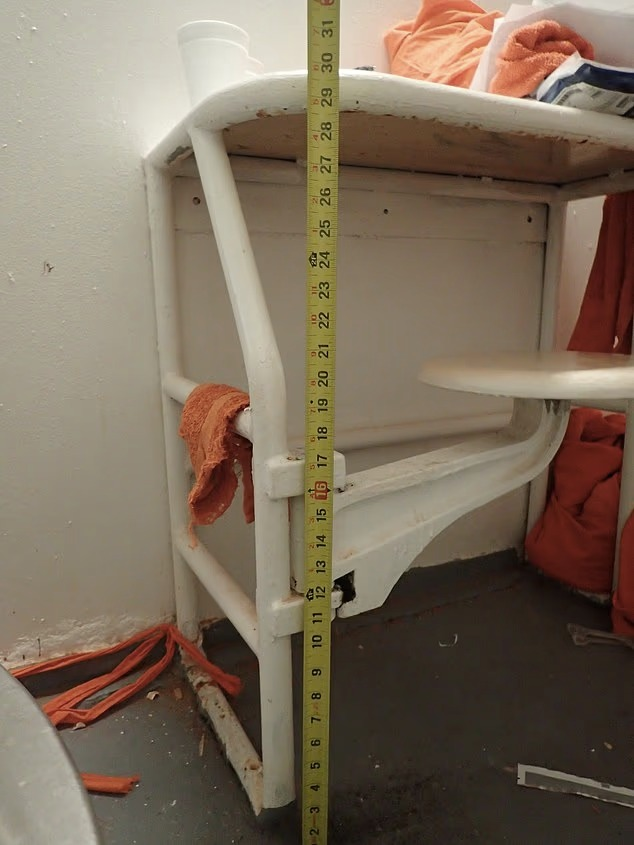
Other images show forensic investigators using measuring tapes to document the distance between the floor and the top bunk, as well as photographs of a makeshift noose and pieces of bedding hanging from the bunk’s ladder.