Follow the Elizabethblog channel on WhatsApp: https://whatsapp.com/channel/0029VbDQN5lI1rcbSgriLG2M
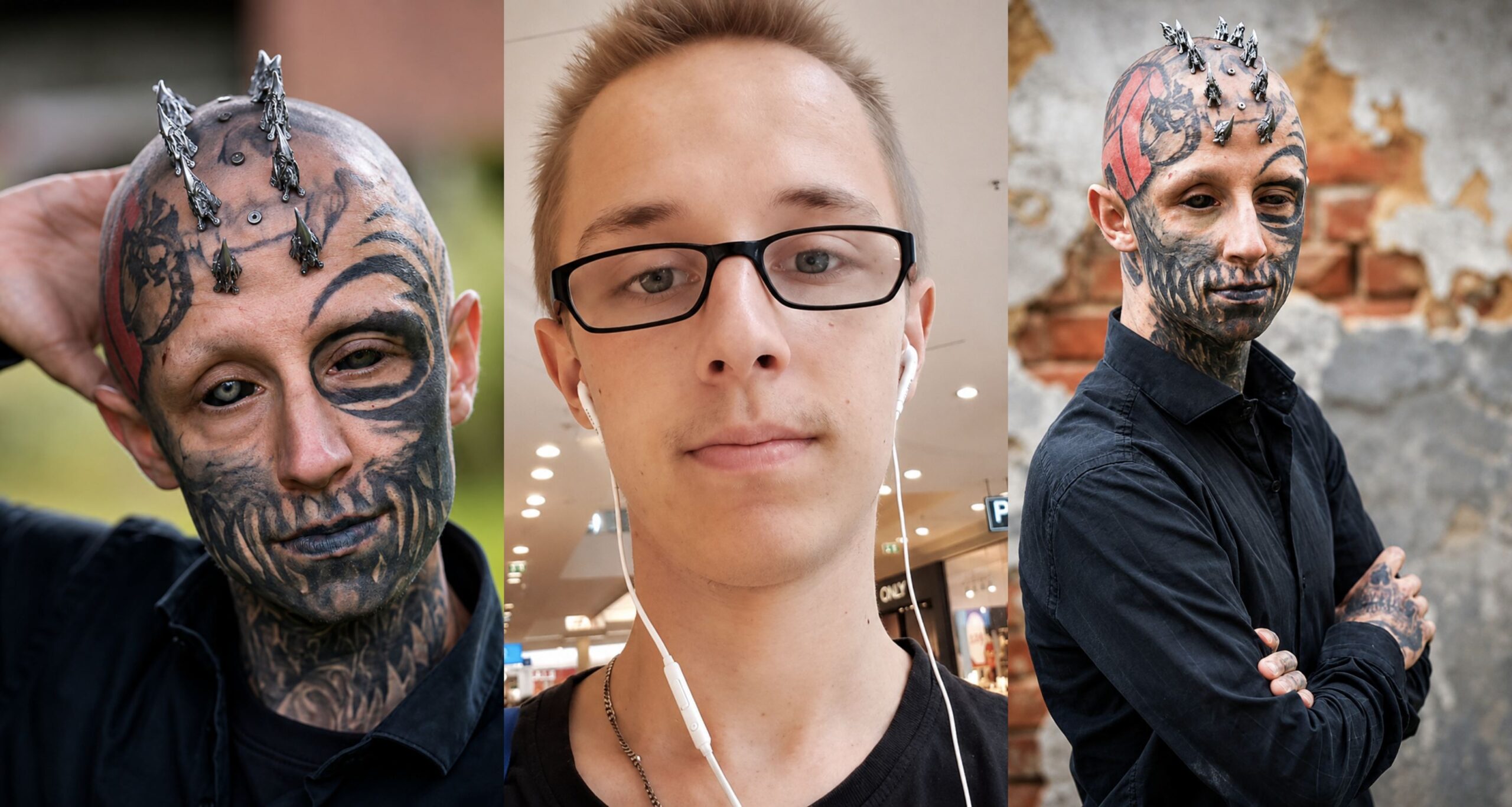
Identified as Juliusz, the man said people frequently make hurtful comments about his appearance and, in some cases, accuse him of causing his own blindness.
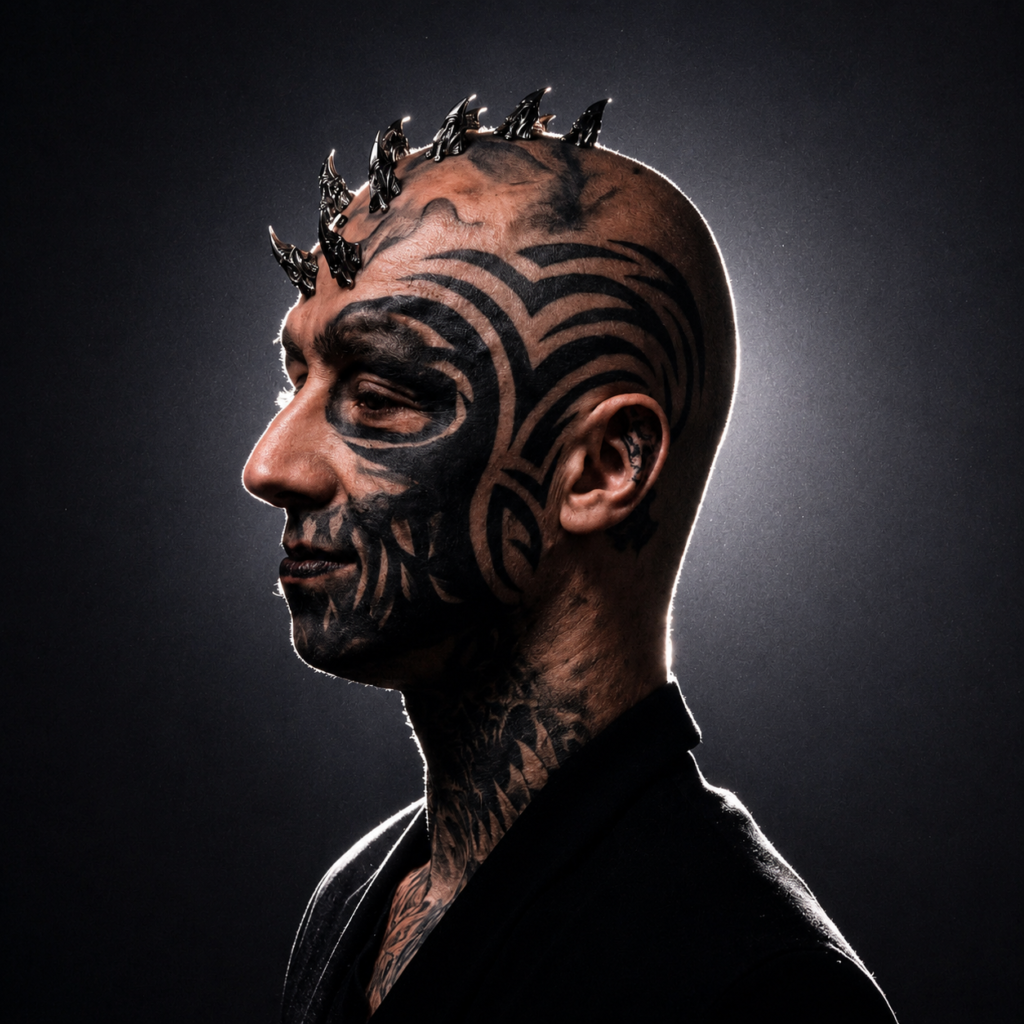
According to his account, he was diagnosed with Neurofibromatosis Type 1 (NF1), a genetic condition that can cause tumours to develop along nerves, including the optic nerves responsible for vision.
The condition began affecting him during childhood. He said problems with his eyesight were noticeable from a young age, with his left eye becoming essentially blind during childhood before the vision in his right eye gradually deteriorated over the years.
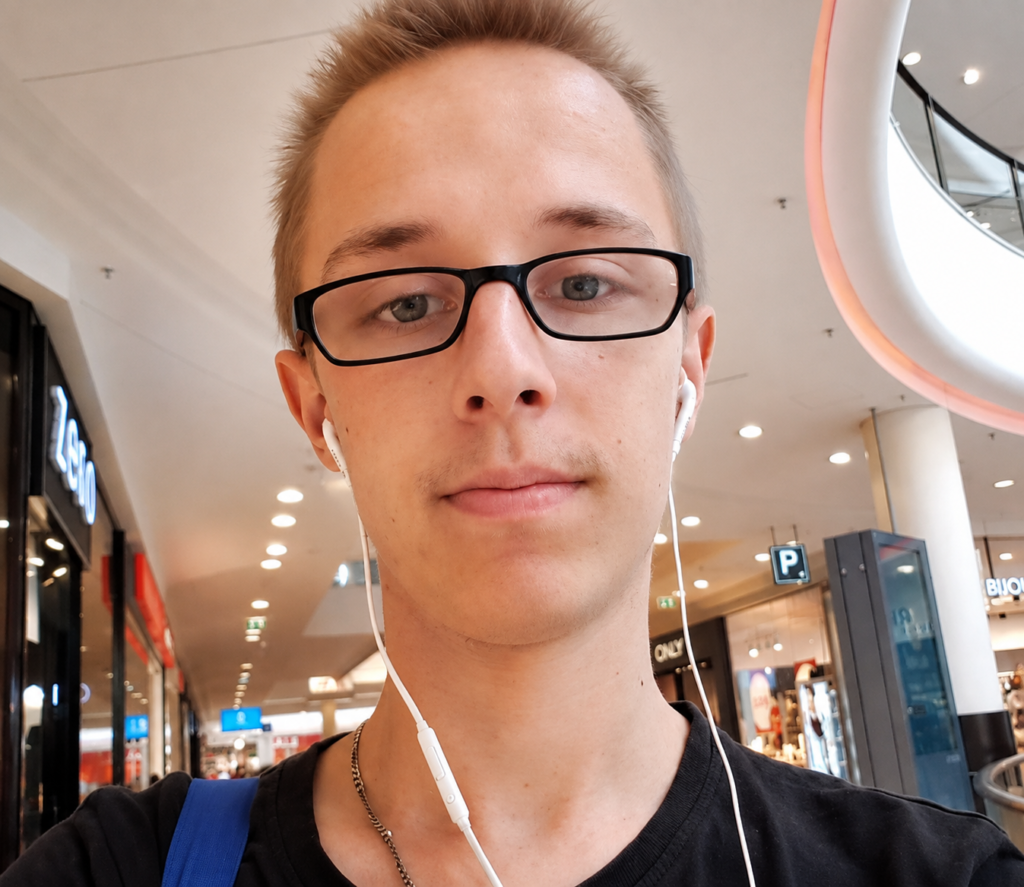
One of the claims he finds most upsetting is the suggestion that his eye tattoos caused his blindness.
Lamenting the misconception to needtoknow, he said:
“The cruellest false claim of all is the recurring accusation that my eye tattoos caused my blindness,”
“This is medically impossible, and it is deeply distressing to hear it repeated.
“My blindness was caused by optic atrophy from optic gliomas in NF1, documented by multiple eye specialists, including at the University Hospital Düsseldorf, with medical certificates from October 2025 and January 2026 confirming the cause.
“The tattoos were performed years after I had already gone blind.
“The timeline alone makes it impossible.
“The medicine makes it impossible and yet the myth persists, and it wounds.”
Juliusz said his vision loss was not sudden. Instead, it developed over a long period, beginning in childhood and progressing gradually.
He added:
“The decline began in childhood. There were vision problems noticeable from a very young age.
“My left eye was essentially blind from early childhood.
“My right eye then deteriorated gradually over many years.
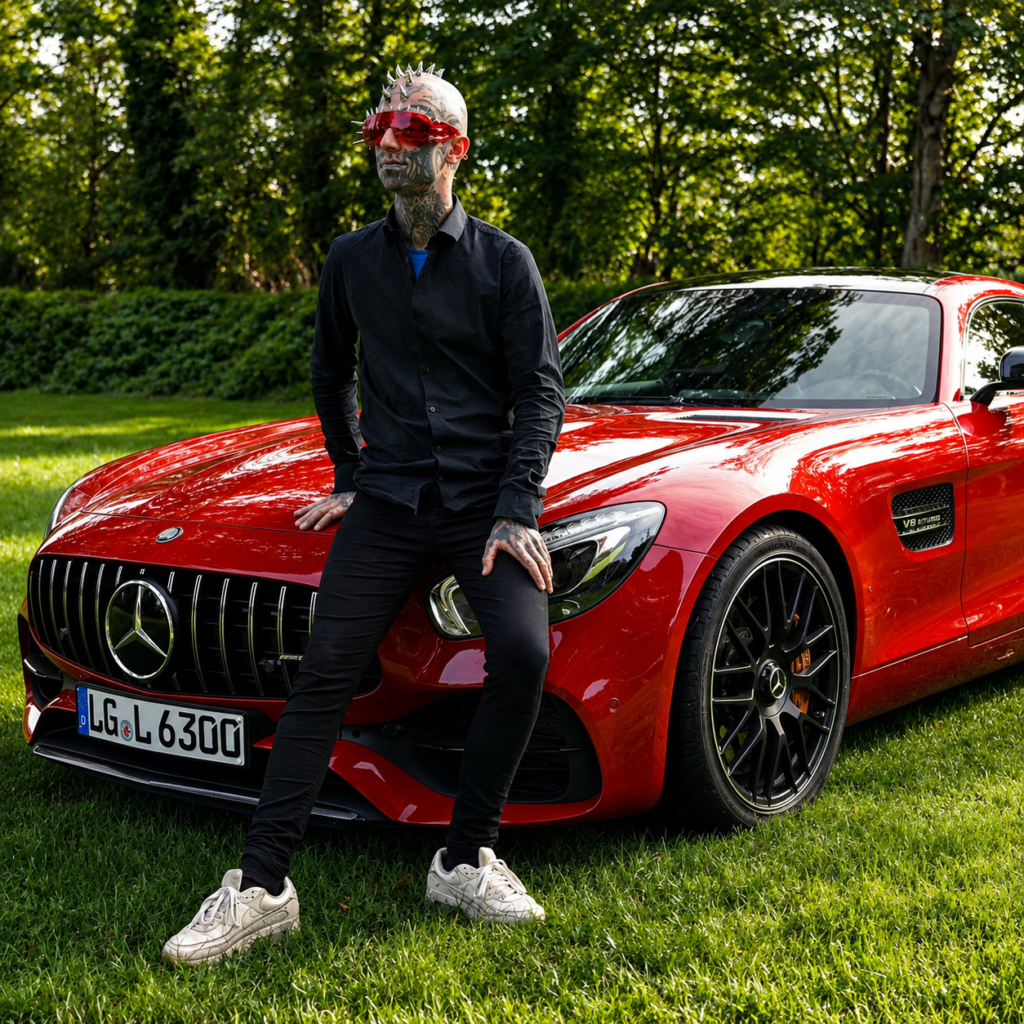
“It was slow, creeping, progressive, never sudden, which is part of why it is so hard for outsiders to understand.”
He said his appearance, combined with his visible disability, often attracts unwanted attention and verbal abuse from strangers.
“I face hostility in public on a regular basis, dehumanising verbal attacks because of my appearance combined with my visible disability.
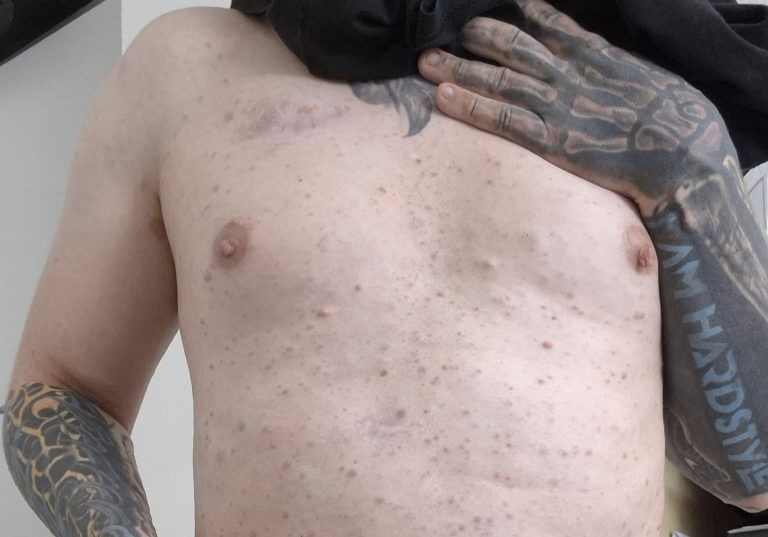
“I have been called things like devil or the devil’s work, which stings all the more given that I was raised strictly Catholic.
“As a blind person, I already feel particularly vulnerable, and on buses and trains I often feel genuinely unsafe, with a real fear of being attacked, both because of how I look and because of my disability.
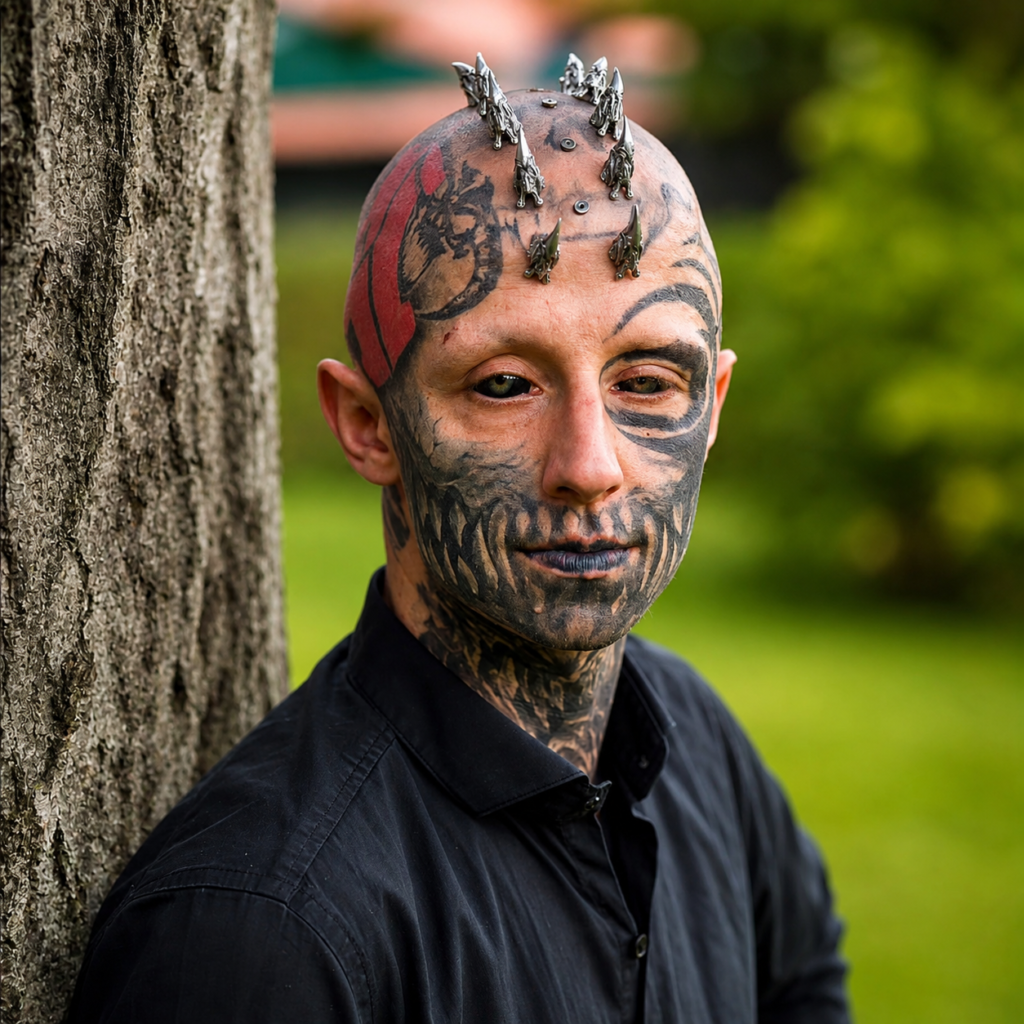
“Some people seem provoked or made uncomfortable by the combination of a visible disability and an extreme appearance.
“The prejudice and the false narratives are what hurt most.”
For Juliusz, some of the most difficult encounters occur when strangers question whether he is genuinely blind.
He said people have confronted him despite seeing him use a white cane, leaving him feeling humiliated and misunderstood.
“People accuse me of faking my blindness, to my face, while I’m standing there with a white cane, unable to see their features or read their expression.
“That is profoundly invalidating.
“Strangers say things like ‘You’re just pretending, you’re not really blind,’ or ’You can see perfectly fine, drop the act’.
“It’s deeply shaming, especially when the truth is that I genuinely only perceive light and shadow.
“Let me make this as plain as I can: nobody walks around with a white cane for fun, or as a decoration.
“I am not pretending. I am blind.”
Despite the challenges surrounding his appearance, Juliusz views his body modifications as a personal form of expression and ownership.
He explained that, after losing the function of his eyes, he made a conscious decision to transform them according to his own wishes.
Speaking about his experience with the disease, he said:
“The disease had taken the function of my eyes from me.
“So I took the organ itself and made it entirely my own, on my own terms.
“The way I think of it is simple, if my eyes could no longer show me the world, then they would at least belong completely to me.”
His decision, however, does not mean he has stopped feeling the consequences of losing his sight.
He openly acknowledged the difficulties that come with blindness, including missing the ability to experience visual moments independently and navigating ordinary activities without sight.
“It feels sh*tty.
“I miss seeing things, sometimes very much.
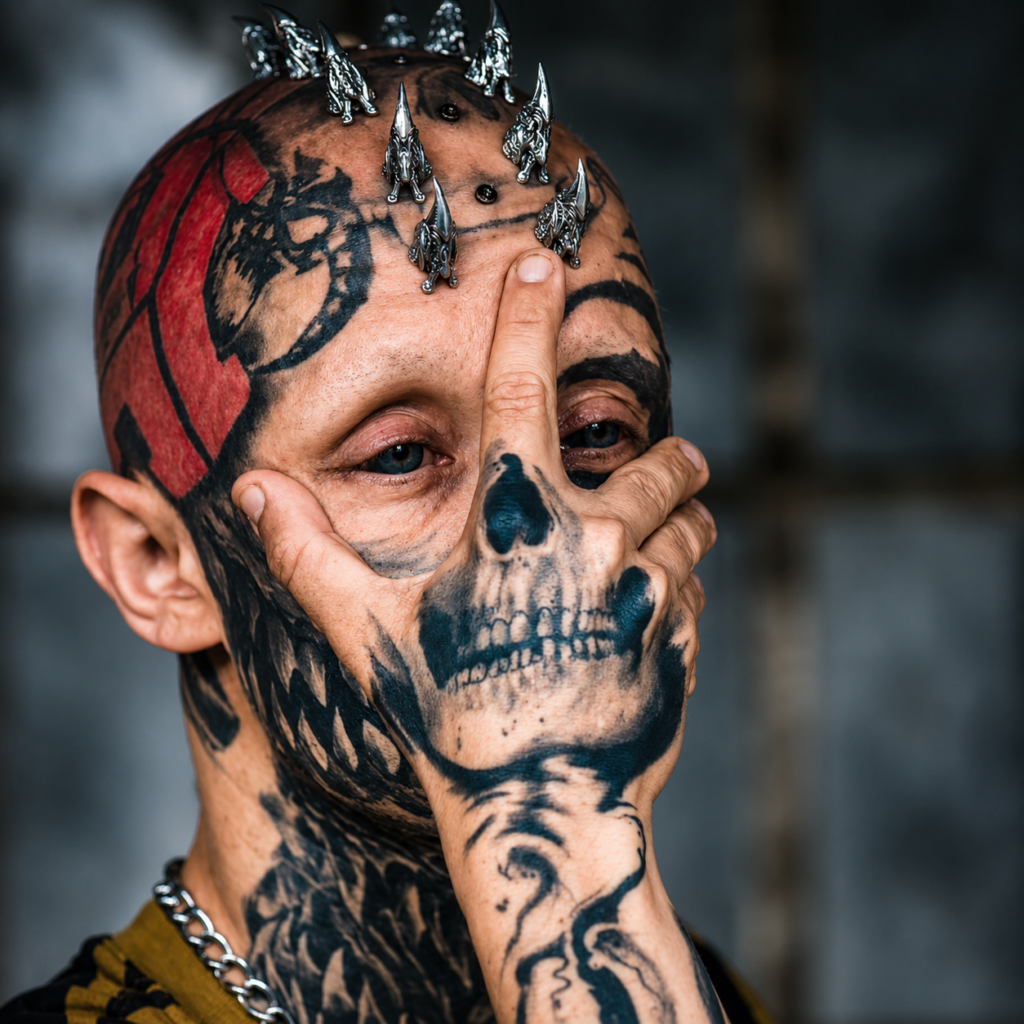
“I miss being able to look at a festival stage and take in the whole atmosphere, all that energy, with my own eyes.
“Shopping independently no longer really works.
“Public transport is very challenging.”
Juliusz said he has chosen to speak publicly about his experience because he wants people to understand the difference between his appearance and the medical condition that caused his blindness.
For him, the issue is not simply about defending his decision to have extreme body modifications. It is also about being treated with dignity and having his disability understood accurately.
Explaining why he continues to tell his story, he said:
“I share it because I want to be truly seen as a person living with an incurable genetic disease that took my sight by destroying my optic nerves.
“I want to be seen as someone who expresses himself artistically through extreme body modification on his own body and as a human being arguing for medical accuracy, for proper disability recognition, for accessibility.
“I want for an end to harmful prejudice and false narratives, whether they come from an authority, from a stranger on a tram, or from anywhere else.”