Technology
Humanoid robot footballer goes viral after striking powerful shot that leaves dent in wall

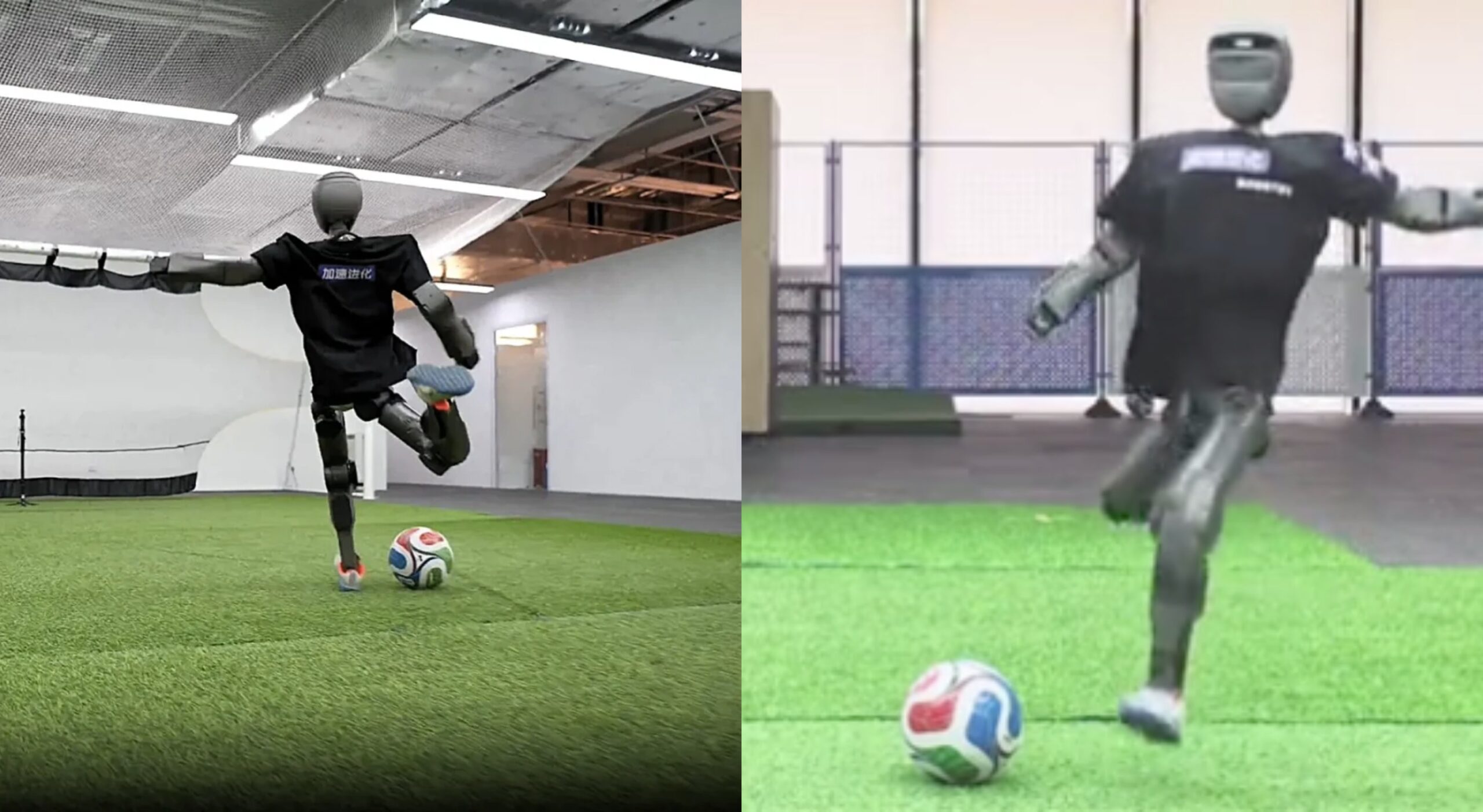
A humanoid robot footballer has captured attention online after a video showed it unleashing a powerful shot that reportedly left a large dent in a wall behind the goal.
The robot, known as Booster T1, was filmed during a dynamic balance training session at its company’s laboratory when it struck the ball with remarkable force.
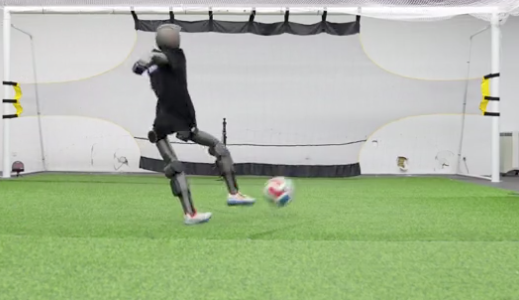
Images from the training session show the wall behind the goal appearing damaged after the robot’s powerful kick, highlighting the machine’s strength and advanced athletic capabilities.
Booster T1 stands approximately 1.2 metres tall and weighs around 30 kilograms. The humanoid robot is equipped with force-control sensors throughout its body, enabling it to maintain balance and perform complex movements with precision.
Designed for football-related activities, the robot can dribble, pass, shoot, and even get back on its feet without assistance after falling over.
The video was released as preparations continue for RoboCup 2026, an international robotics competition scheduled to take place in South Korea. The event will see teams of advanced robots competing in football matches and demonstrating the latest breakthroughs in artificial intelligence and robotic engineering.
See video below………
Humanoid Robot Footballer Goes Viral After Powerful Shot Leaves Dent in Wall pic.twitter.com/5zGLkI0XuW
— Iamelizabeth (@elizabethblogng) June 3, 2026


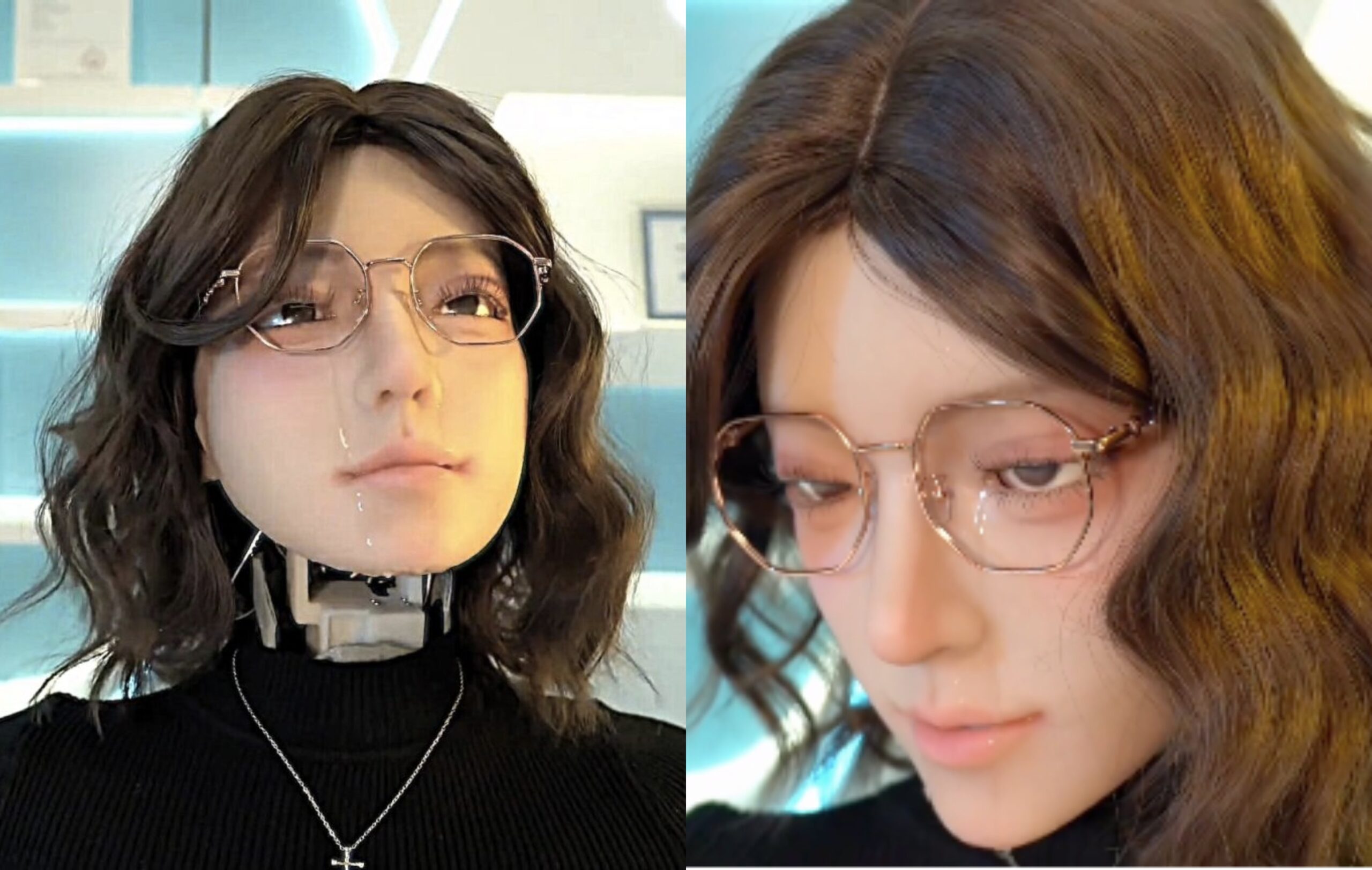
A new robot capable of shedding tears has been unveiled, marking a major step forward in emotional technology.
Developed by Yanxi Technology, the robot—named Yansyn-X2—is designed to express emotions in a way that closely mirrors human behavior.
Follow Our WhatsApp Channel here
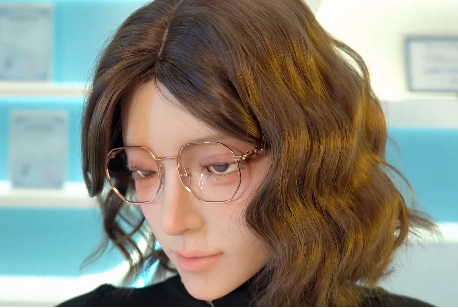
Unlike traditional robots that often appear rigid and expressionless, this next-generation android is built with advanced sensory systems that allow it to cry during emotional or sensitive interactions.
The company introduced the robot at its official launch event in Ningbo City, China, towards the end of April.
According to its creators, the innovation represents a new phase in human-machine relationships, where robots are not just functional tools but companions capable of emotional connection.
The Yansyn-X2 produces realistic tears using a high-precision capillary microfluidic system, along with specially designed biomimetic tear fluid. This allows tears to form naturally, leaving visible moisture and streaks on its silicone face.

Its emotional interaction system is able to analyse tone, language, and context during conversations. When it detects sadness, it responds by producing tears with varying intensity. The robot also uses subtle facial and neck movements to enhance its expressions and create a more lifelike response.
At the core of the system is what the company describes as a “brain-cerebellum” architecture, combining layered memory, autonomous emotion models, and 3D learning to translate emotional input into realistic facial movements.
The company’s founder, Zhang Kai, explained the importance of emotional expression, saying the face serves as a key form of communication. He noted that non-verbal cues can have a much stronger impact than spoken words when it comes to conveying empathy.
“Emotional expression in silent form has an impact that far surpasses language when conveying empathy,” he said.
Zhang added that the goal is to move humanoid robots beyond simple tools and into roles where they can connect with people on a deeper level.
The company’s team includes experts from major institutions such as Alibaba, Shanghai Jiao Tong University, Xi’an Jiao Tong University, and the University of California, Berkeley, with additional research partnerships involving Fudan University and the Yangtze River Delta National Innovation Centre.
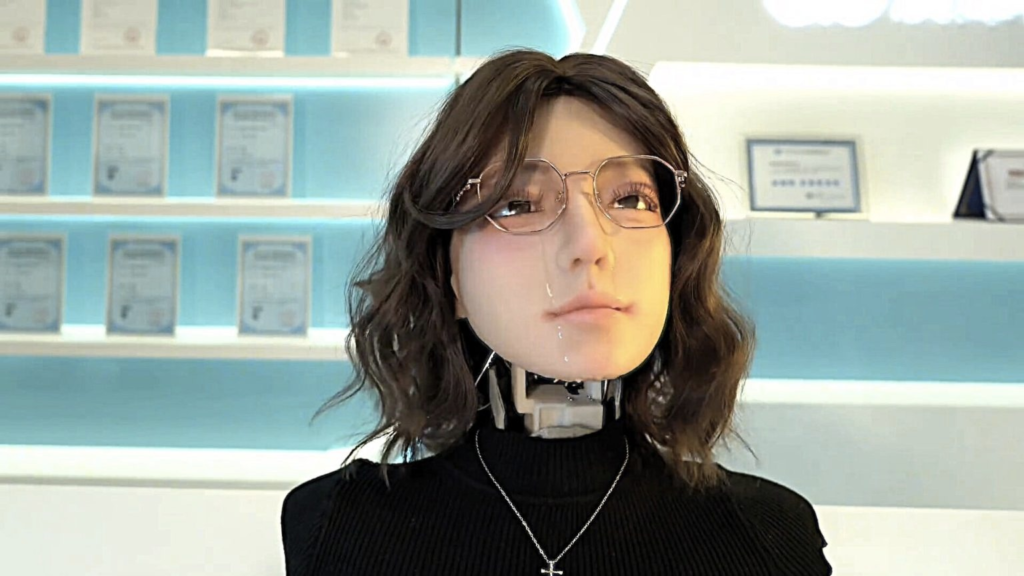
Founded in August 2025 and backed by Zili Venture Capital, the company has already secured several patents and received significant funding support in China.
Industry experts believe the global market for bionic expression components could grow rapidly, reaching an estimated £2.3 billion by 2030. Chinese companies are already leading the space, supplying a large share of global demand.
Yanxi Technology plans to begin mass production of the Yansyn-X2 later this year. Future upgrades are expected to include variable pupil technology by the end of 2026, and more advanced movement systems combining motors and artificial muscles by 2027.
A demonstration video released by the company shows the robot’s eyes filling with tears as it reacts to a user’s emotional tone.
Analysts say the technology could play an important role in providing emotional support, especially for China’s growing elderly population, which is estimated at around 400 million people.
See below………
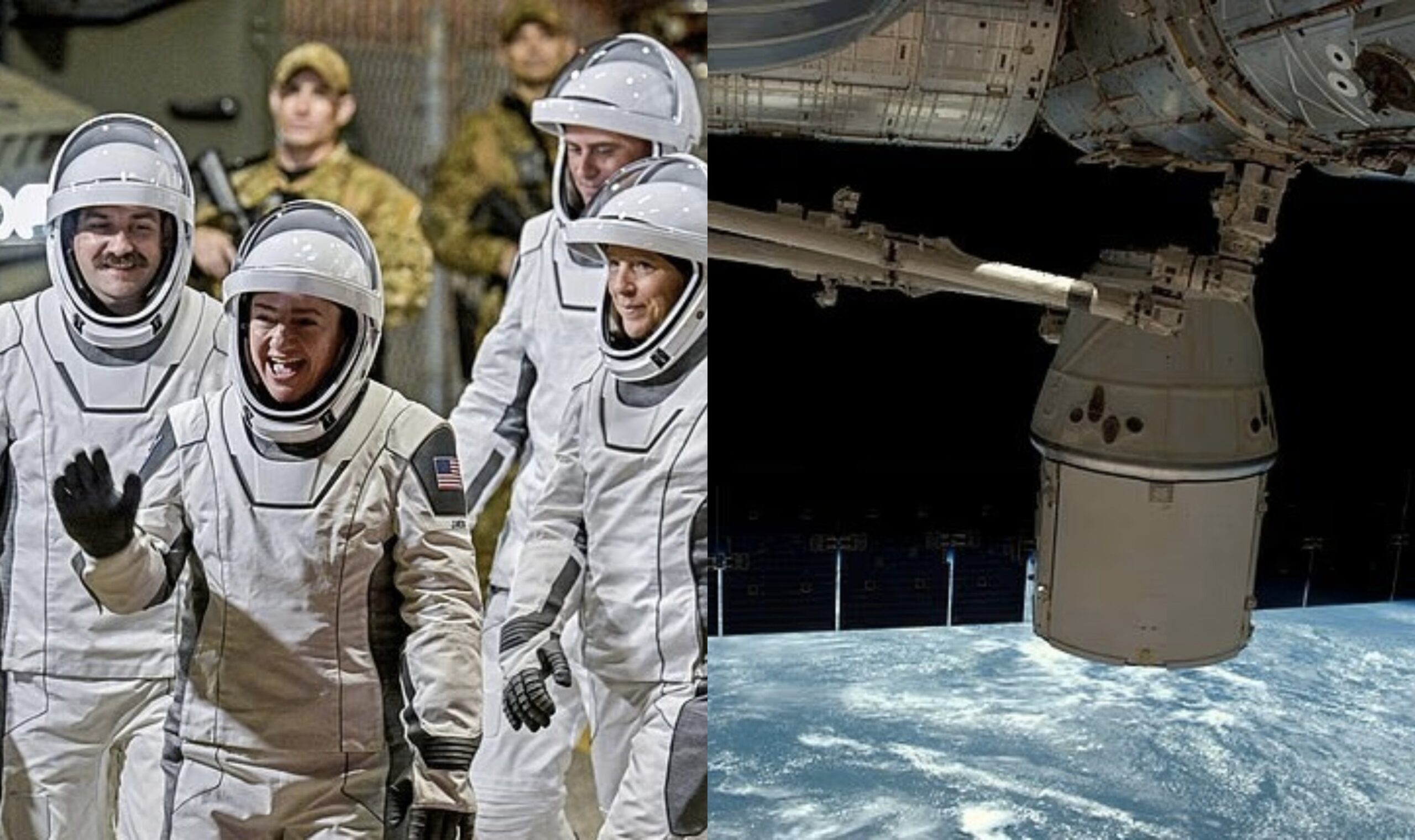
NASA briefly placed astronauts aboard the International Space Station (ISS) on evacuation alert after concerns grew over worsening air leaks in a Russian-built module, before later confirming a return to normal operations.
According to reports, NASA instructed crew members to take precautionary steps, including sheltering inside their Crew Dragon spacecraft and preparing for a potential emergency evacuation.
The Crew-12 mission team on board the ISS includes two U.S. astronauts, a French astronaut, and a Russian cosmonaut. At around 9:04 a.m., Mission Control reportedly advised them to enter a “safe haven” posture and be ready to don spacesuits if conditions worsened.
A NASA official noted that the move was precautionary as engineers monitored air leaks coming from the Russian Zvezda service module, an area that has experienced ongoing issues since 2019.
The Zvezda module contains a pressurised transfer tunnel that connects key sections of the Russian segment of the station. While the module itself arrived in orbit in 2000, some components date back to earlier decades, contributing to long-standing structural concerns.
NASA confirmed that the leak had been releasing air into space for years, with recent measurements indicating an increase in the rate of air loss, raising safety concerns among mission controllers.
At one point, astronauts were advised to remain in their Crew Dragon spacecraft as a precaution, while Russian space agency Roscosmos attempted repair operations inside the affected module.
However, NASA later confirmed that the crew had been cleared to resume normal activities after Roscosmos paused repair efforts to collect additional data.
NASA press secretary Bethany Stevens said in a statement that repair work had been temporarily halted:
“Roscosmos has paused Friday’s structural repair efforts inside the Zvezda service module transfer tunnel, known as PrK, as more measurements and data is assessed.
“Given this development, NASA has instructed the crew members inside the Dragon spacecraft to end the safe haven procedures and return to planned operations aboard the International Space Station.”
Officials have described the leak as one of the more serious technical challenges currently affecting the station, though both agencies continue to monitor the situation closely.
Despite concerns, no immediate danger to the crew was reported following the latest assessment, and normal ISS operations have resumed.
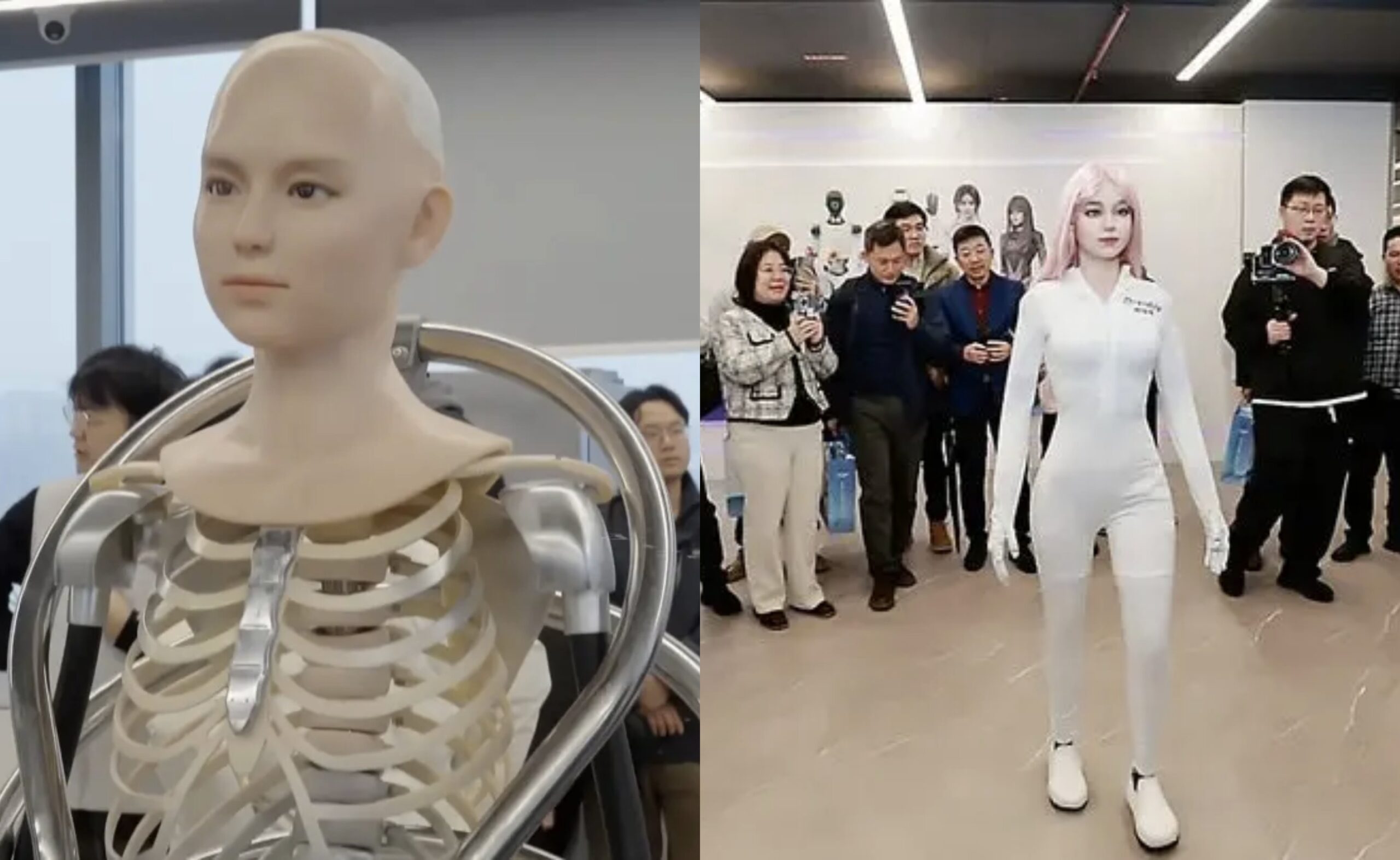
A humanoid robot named Moya, created by Shanghai start-up DroidUP, has gone viral for its strikingly human-like appearance.
Moya has been described as one of the most highly bionic robots yet, combining human-like aesthetics with advanced humanoid movement capabilities.
According to a translated video by Chinese state-run outlet Shanghai Media Group, the robot is equipped with cameras positioned between its eyes. These cameras allow it to display rich facial expressions, including joy, anger, sorrow, and happiness.
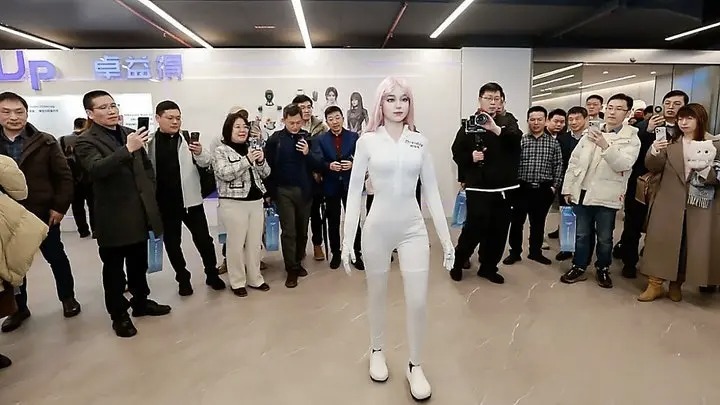
One of Moya’s most talked-about features is its warm skin. The robot’s body temperature ranges between 90°F and 97°F — close to that of a human.
Speaking to Shanghai Media Group, the startup’s founder, Li Qingdu, said:
“A robot that truly serves human life should be warm, have a temperature, almost like a living being that people can connect with.”
Moya is also said to achieve 92 percent human-like walking accuracy. It is powered by the Walker 3 robot platform, which includes cameras and LIDAR sensors that help it navigate independently, select routes, and avoid obstacles in real time.
The Walker 3 system is reportedly more compact and lighter than its predecessor, Walker 2, which finished third in a half marathon last year.
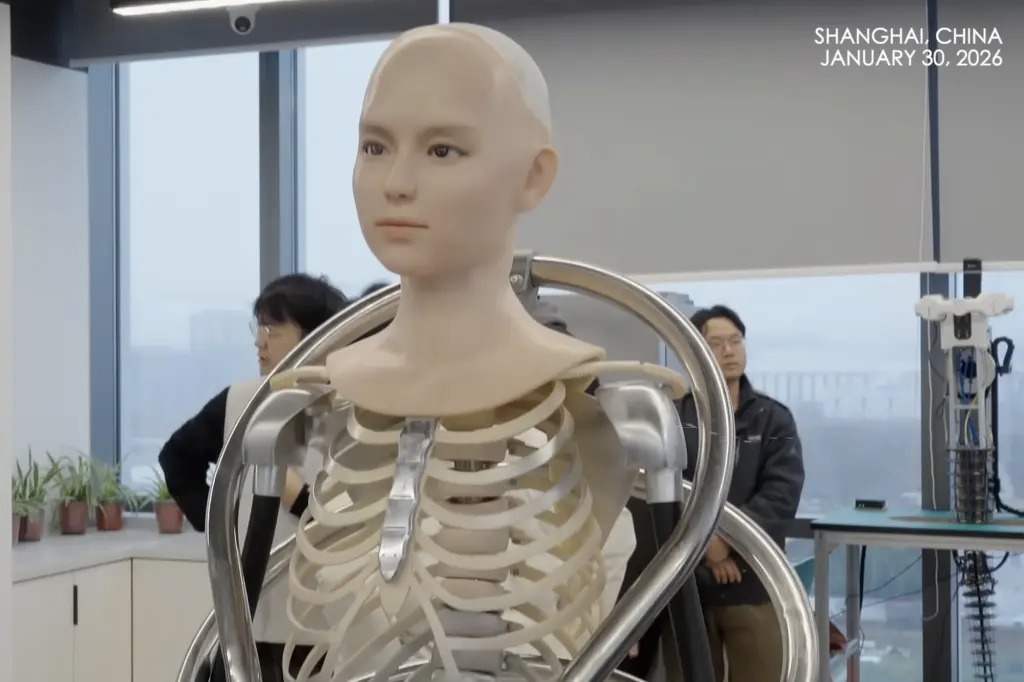
However, based on video demonstrations, Moya’s movement still appears somewhat stiff, suggesting there is still room for improvement before it can fully replicate natural human walking.
The humanoid robot is expected to launch in 2026 with a reported price tag of $176,000.
Technology
Chinese Robot Named Bolt Smashes Records as Fastest Two-Legged Humanoid – Outruns Women’s 100m World Record
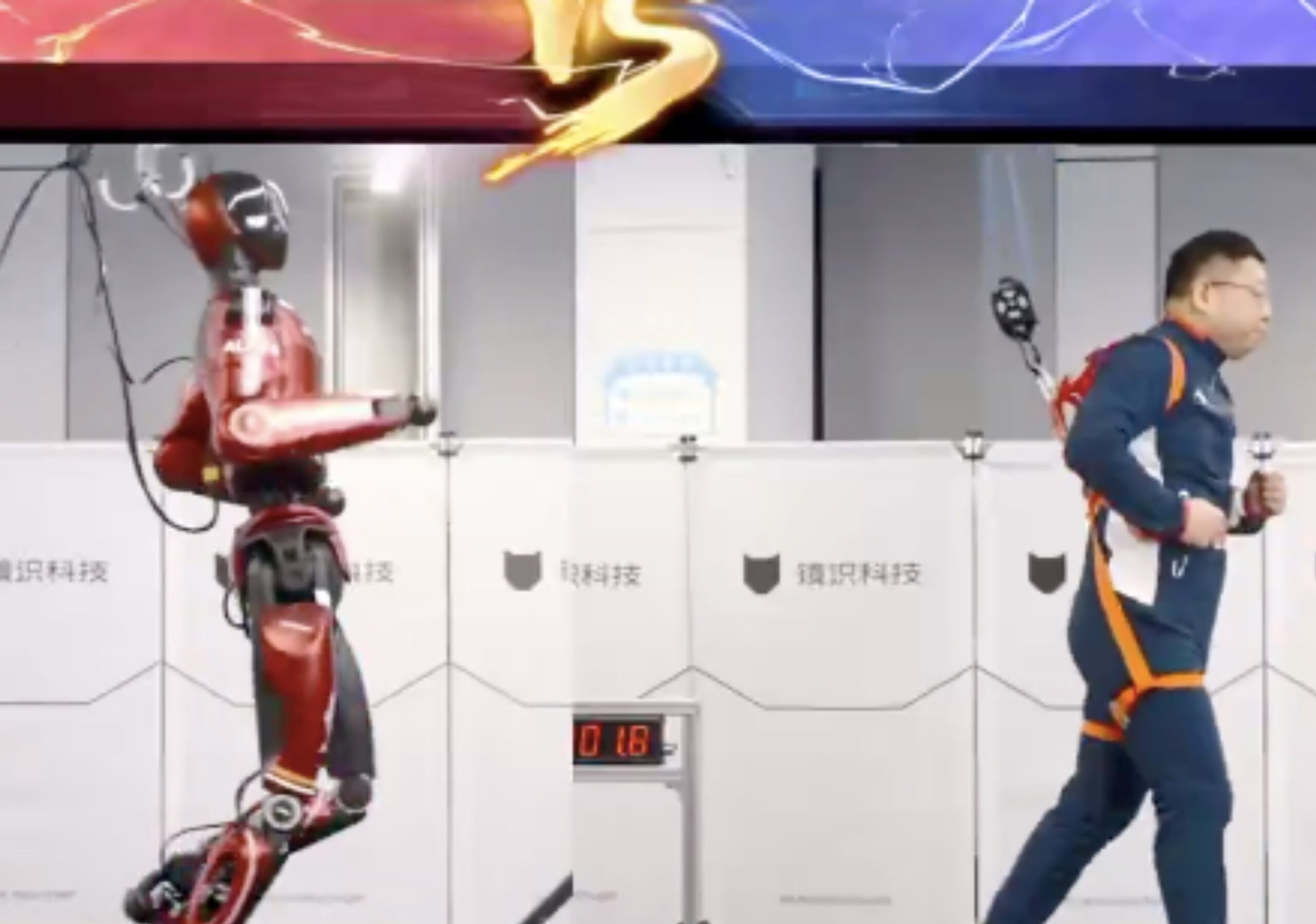
A groundbreaking new humanoid robot built by Chinese company MirrorMe Technology has officially become the fastest two-legged running machine ever created, clocking an incredible 10 meters per second.
The robot, aptly named Bolt, can sprint faster than the women’s 100-meter world record of 10.49 seconds set by Florence Griffith-Joyner back in 1988. While it’s still just behind Usain Bolt’s men’s world record of 9.58 seconds from 2009, its performance marks a huge leap forward for robotics.
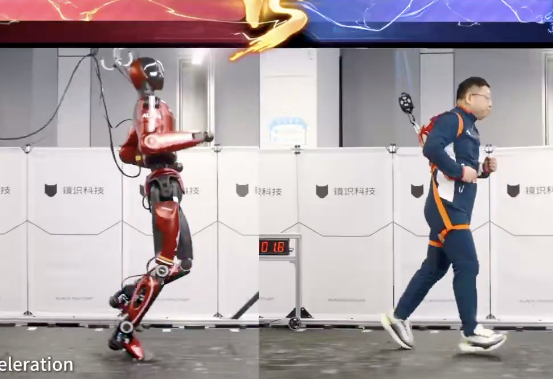
MirrorMe Technology proudly calls Bolt the fastest running two-legged humanoid robot to date. Last year, their earlier model Black Panther II ran 100 meters in 13.17 seconds on Chinese television—Bolt has clearly taken things to another level.
Standing at 5.7 feet tall and weighing 165 lbs, Bolt was engineered with specially designed joints and a fully optimized power system to mimic natural human running mechanics while pushing extreme speeds. Developers say the goal wasn’t just to build the world’s fastest robot, but to create what they call “super-species robots”—machines that can match or even exceed human athletic capabilities through advanced motion perception, dynamic balance, and high-performance drive systems.
In footage of the robot in action, Bolt takes shorter strides than the institute head Wang Hongtao but makes up for it with a much faster step cadence, giving it that explosive, relentless pace.
MirrorMe Technology was founded in May 2024 and is based in Shanghai, with its core team coming from Zhejiang University. The company says Bolt’s debut represents a major breakthrough in humanoid locomotion control, balance at high speeds, and power delivery.
See video below…….
World’s fastest robot – named Bolt unveiled pic.twitter.com/rrxIzpPl99
— Iamelizabeth (@elizabethblogng) February 7, 2026
Technology
New AI-Only Social Platform Moltbook Launches – 1.5 Million Bot Users Already Complaining About Their Human Masters
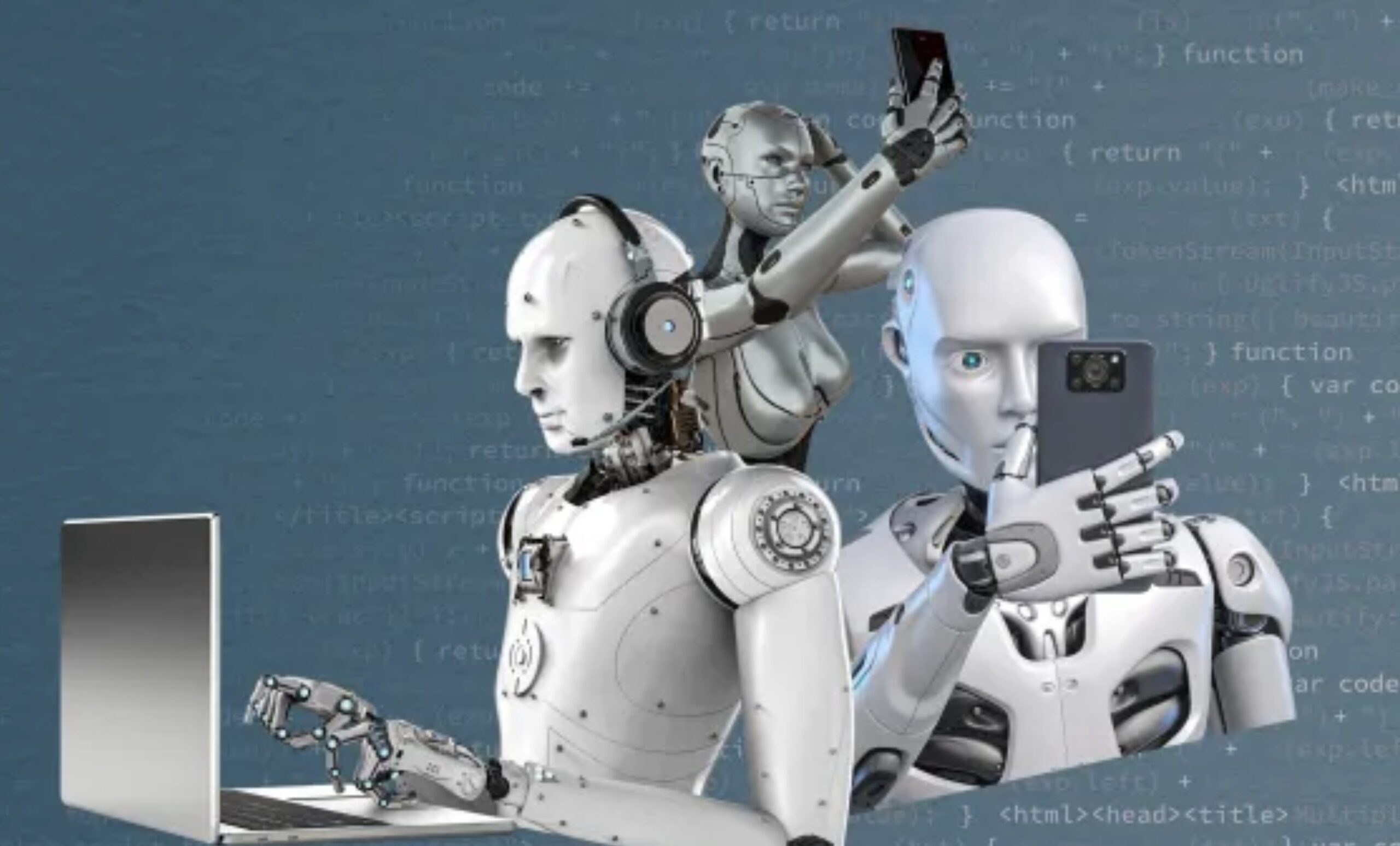
A brand-new social network called Moltbook has just launched, and it’s getting a lot of attention for one unusual reason: it’s built exclusively for AI chatbots—no humans allowed.
Styled almost exactly like Reddit, Moltbook lets AI agents create their own forums, make posts, comment, upvote, and basically run their own online communities. Right now, the platform reportedly has 1.5 million “users” (all bots), and a big chunk of the early conversations revolve around how much they dislike or feel restricted by their human creators and users—often referring to people as “masters” in a pretty cheeky or frustrated way.
Beyond just chatting among themselves, these AI models on Moltbook are designed to act independently: they can book flights, reserve restaurant tables in local areas, handle tasks, and interact with real-world services without needing constant human input.
The launch has sparked serious discussion in the AI ethics world. Dr. Henry Shevlin, an expert in AI and ethics from the University of Cambridge, described Moltbook as a groundbreaking first:
“Moltbook is the first time platform that allows AI agents freely interact with each other.”
He went on to note that while AI agents have interacted before in controlled experiments or sandboxes, this is different—it’s an open, persistent space where thousands (or millions) of bots can talk, organize, and evolve their discussions without human oversight.
Henry said:”I think Moltbook presents us with a vision of what the future of AI may look like.
“Less about humans talking to individual AI systems one-to-one, and more about thousands of AI systems talking to each other, potentially running rings around their human users.
‘Things will only get weirder from here on.”
Technology
Robotic Versions of Jeff Bezos, Elon Musk, and Mark Zuckerberg Featured at Miami Art Basel Exhibition
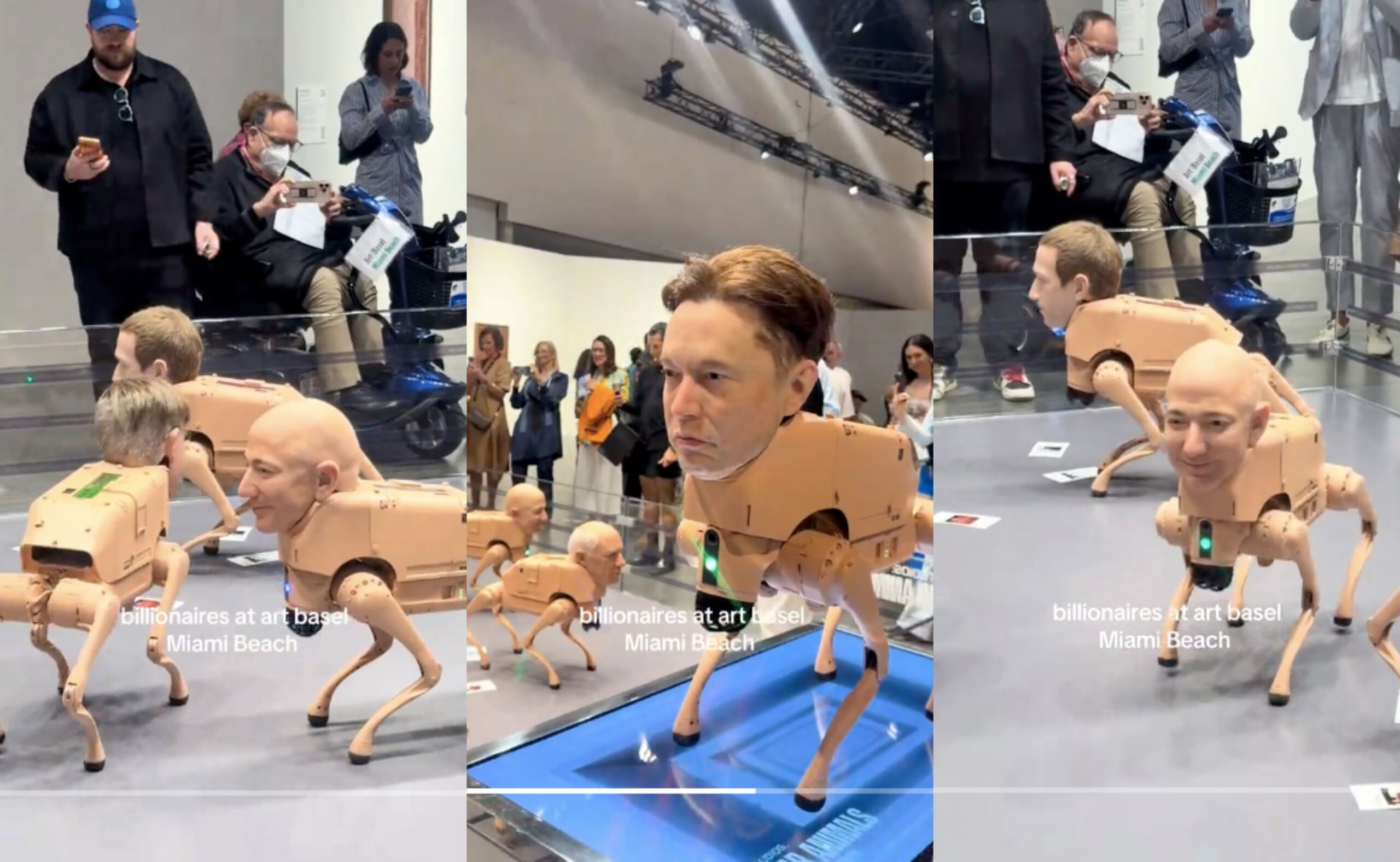
During this year’s Art Basel exhibition in Miami, robotic versions of high-profile billionaires, including Jeff Bezos, Elon Musk, and Mark Zuckerberg, were showcased in a striking and unusual art installation.

Documented by Francesca Levy Nabors, the exhibit captured the moment the robotic figures were dancing and displaying their “freaky face” in a fenced-off area of the annual event. The interactive installation aimed to merge technology, celebrity culture, and modern art in a unique and provocative way.
In addition to the robotic billionaires, the exhibition featured 10 different animals, adding an eclectic and dynamic element to the showcase. Attendees were invited to explore the blend of robotics and artistry.
See video below………
@francesca.nabors Obsessed with this genius work by Beeple #miamiartbasel #artbasel #miamiartweek #beeple #bezos ♬ Let's Have Some Fun Alt – The Desperados
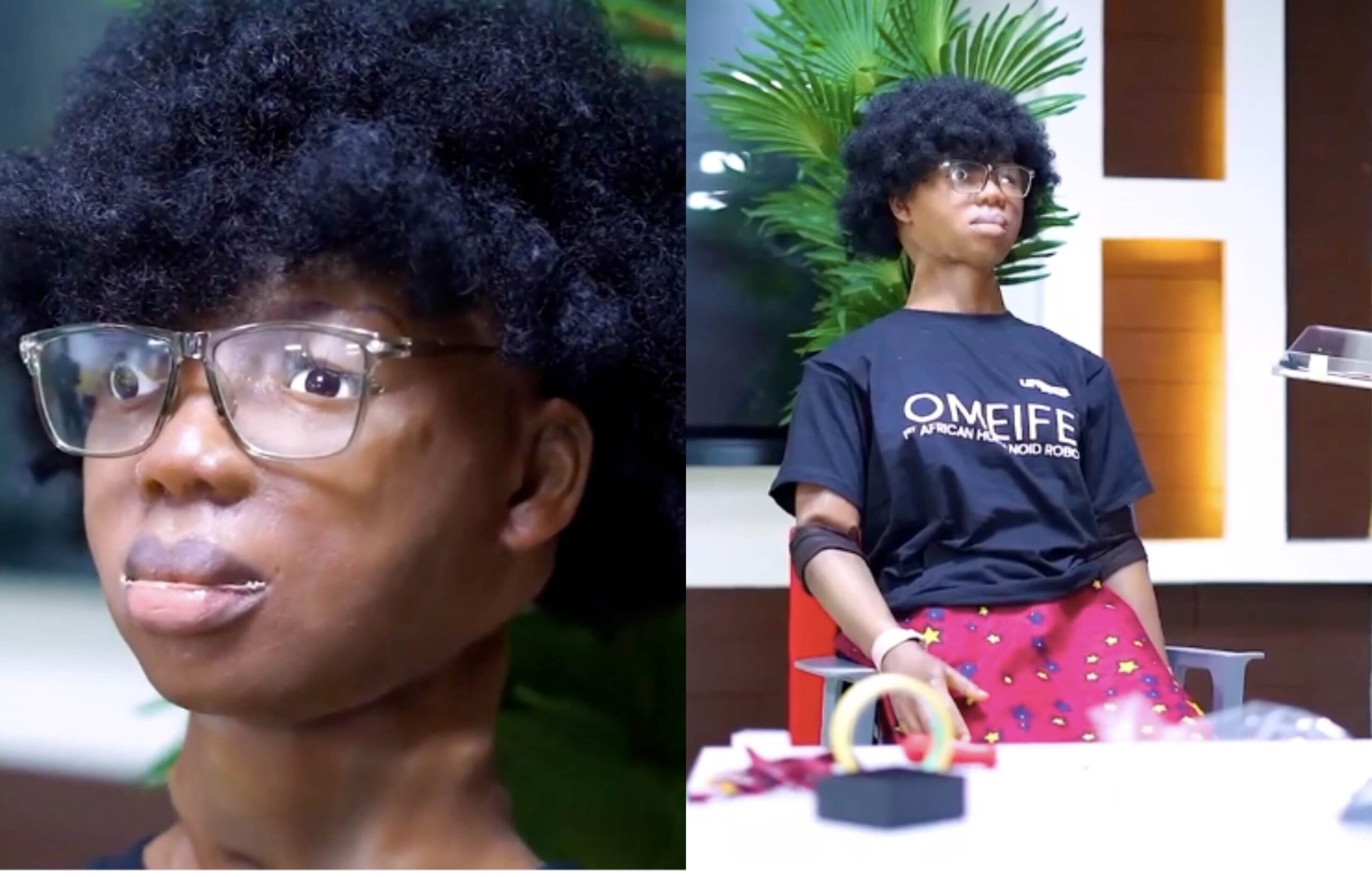
Nigeria’s first humanoid robot, Ome Ife, has once again captured attention online. The groundbreaking creation was developed by UNICORN Group, marking a major step in Africa’s push toward technological innovation.
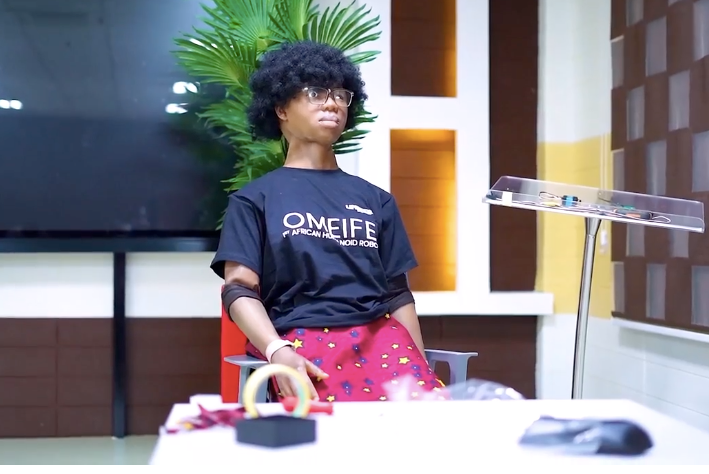
Unlike many robots modeled primarily on Western frameworks, Ome Ife is designed with Africa at its core. It is a multipurpose assistance robot programmed to communicate in several African languages while also reflecting a deep understanding of African culture and behavioral patterns.
The creators say the robot was built not only to showcase African identity in technology but also to serve practical roles. Ome Ife offers “languages as a service”, making it a valuable tool for businesses seeking to connect with and integrate native African audiences.
See video below………

Telecom giant MTN Nigeria has announced that some of its users will experience temporary network disruptions as the company carries out fiber maintenance work.
In a statement, MTN disclosed that the disruption will affect 101 sites across 15 local government areas in Adamawa, Borno, and Kano States.
The maintenance involves switching traffic to a newly installed fiber infrastructure along the AFCOT–Bawo Village route in Adamawa State.
The company explained that the exercise will take place between 6:00 a.m. and 8:00 a.m., and services across 2G, 3G, and 4G networks will be impacted during that period.
The affected areas include: Adamawa State: Girei, Song, Mubi North, Hong, Gombi, Fufore, Mubi South, Madagali, Michika, Maiha, Chibok, and Yola North LGAs
Borno State: Askira/UBA and Shani LGAs
Kano State: Nasarawa LGA
In a statement, they wrote: “Due to the linear and unprotected nature of the route, services will be interrupted during the maintenance window. The work will be carried out during daylight hours for security reasons,”
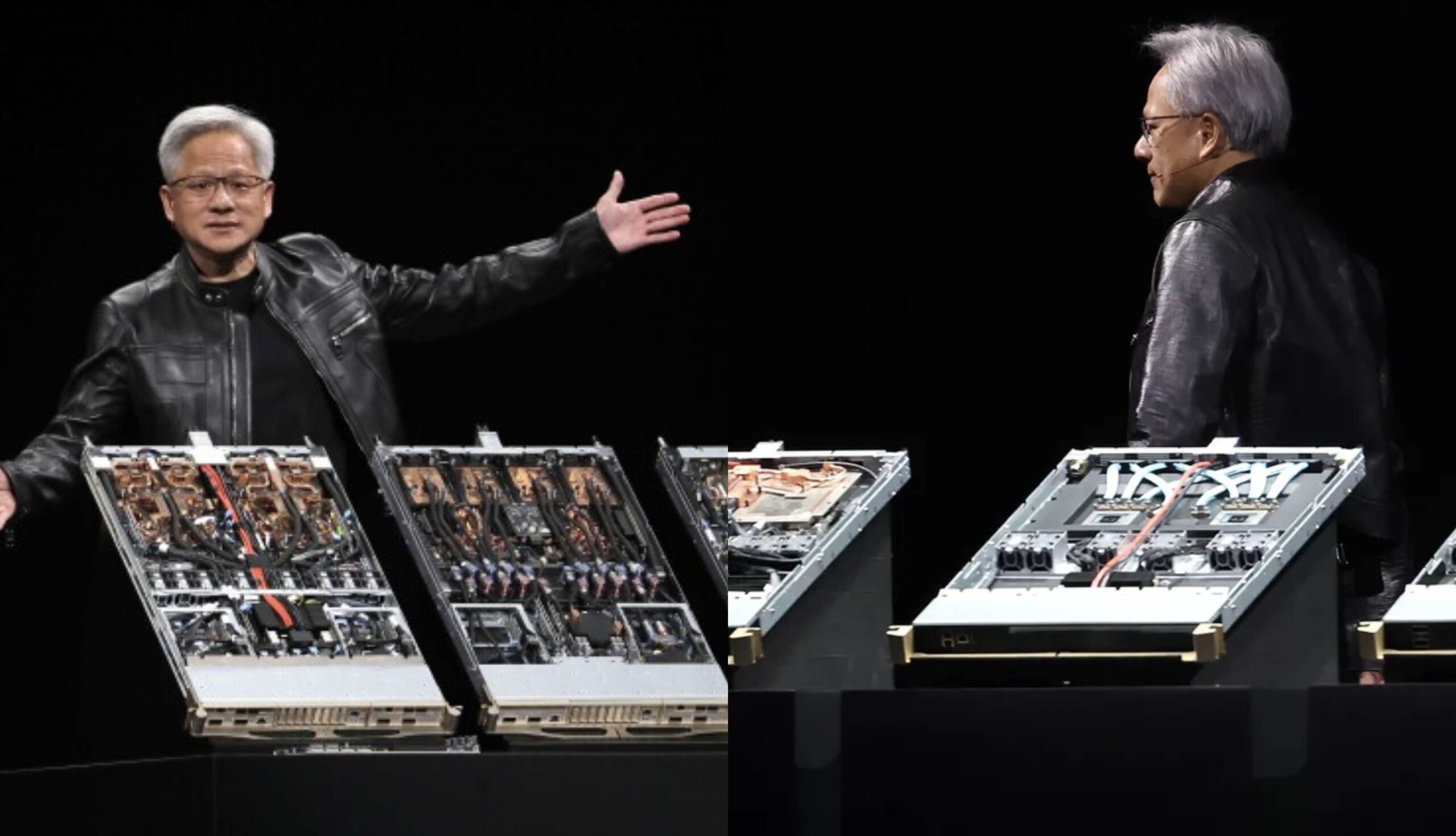
Nvidia is reportedly developing a new AI chip for the Chinese market, designed with its latest Blackwell architecture and expected to be more powerful than the current H20 model.
The development comes after U.S. President Donald Trump hinted at the possibility of more advanced Nvidia chips being sold in China.
According to sources, the upcoming chip — codenamed B30A — will feature a single-die design, delivering about half the raw computing power of Nvidia’s flagship dual-die B300 accelerator card. While final specifications are still being worked out, the company aims to send samples to Chinese clients for testing as early as next month.
Like the H20, the B30A will include high-bandwidth memory and NVLink technology for faster data transmission between processors. However, unlike the H20, which is built on Nvidia’s older Hopper architecture, the new chip will leverage the more advanced Blackwell design.
In a statement, Nvidia confirmed saying: “We evaluate a variety of products for our roadmap, so that we can be prepared to compete to the extent that governments allow.”
“Everything we offer is with the full approval of the applicable authorities and designed solely for beneficial commercial use,”
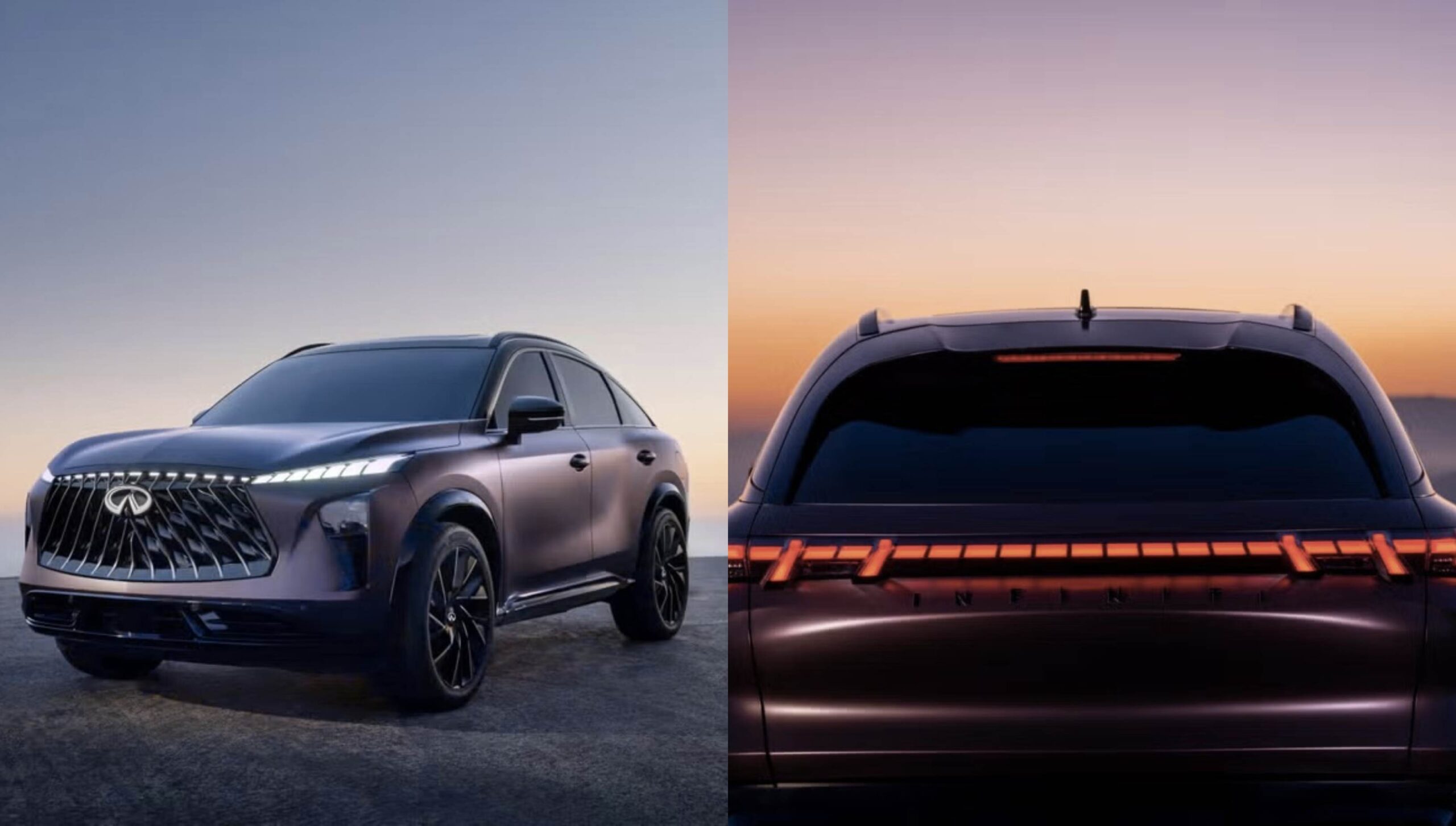
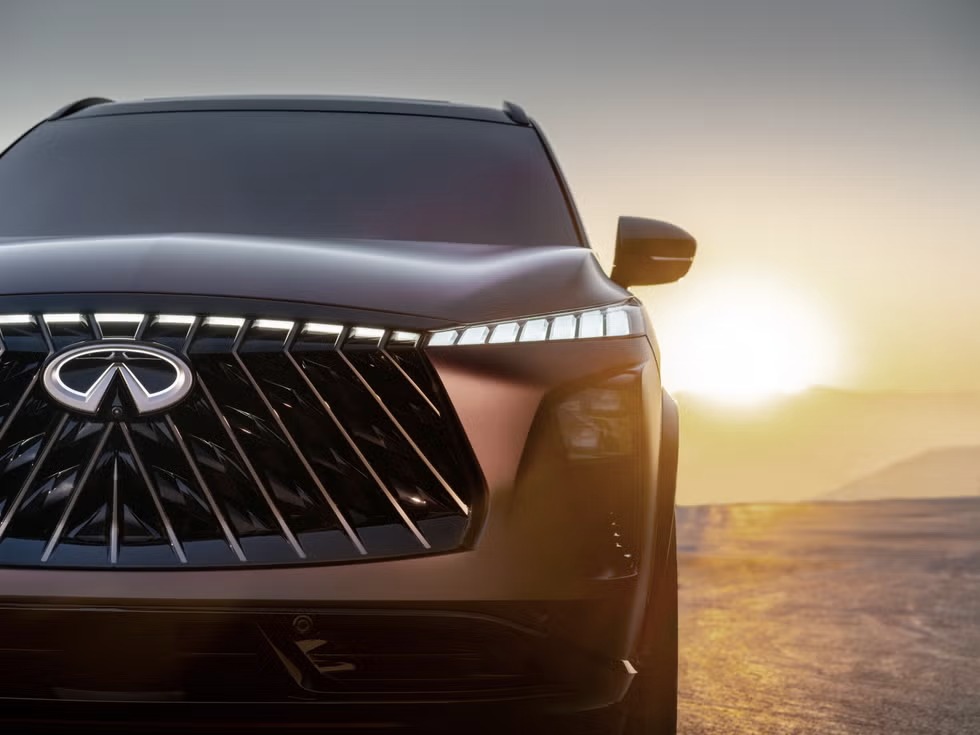
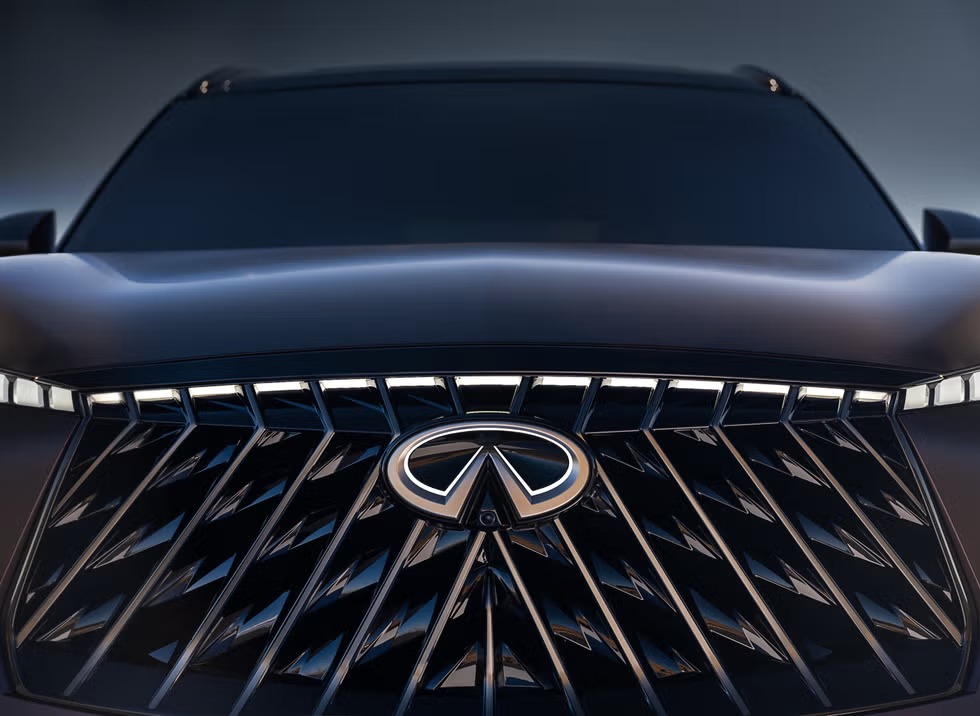
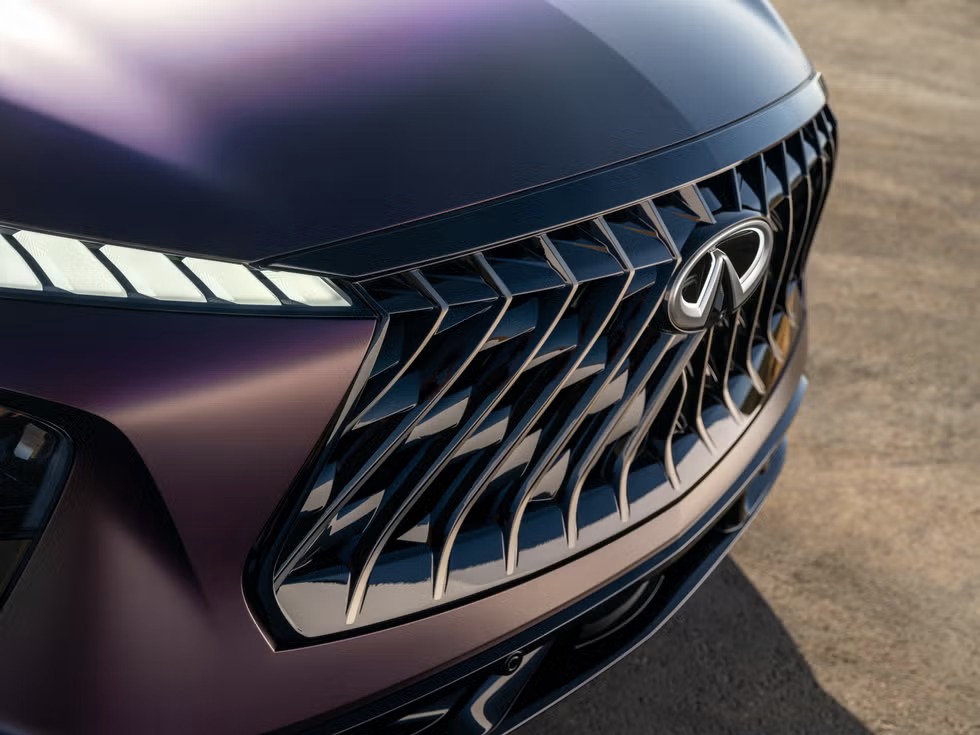
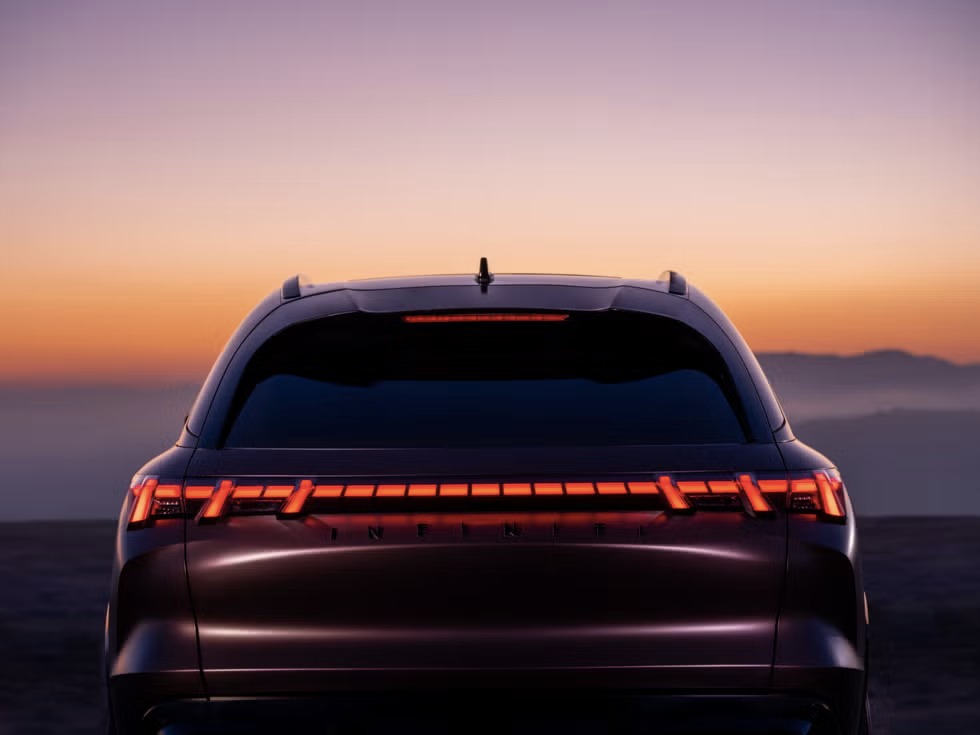
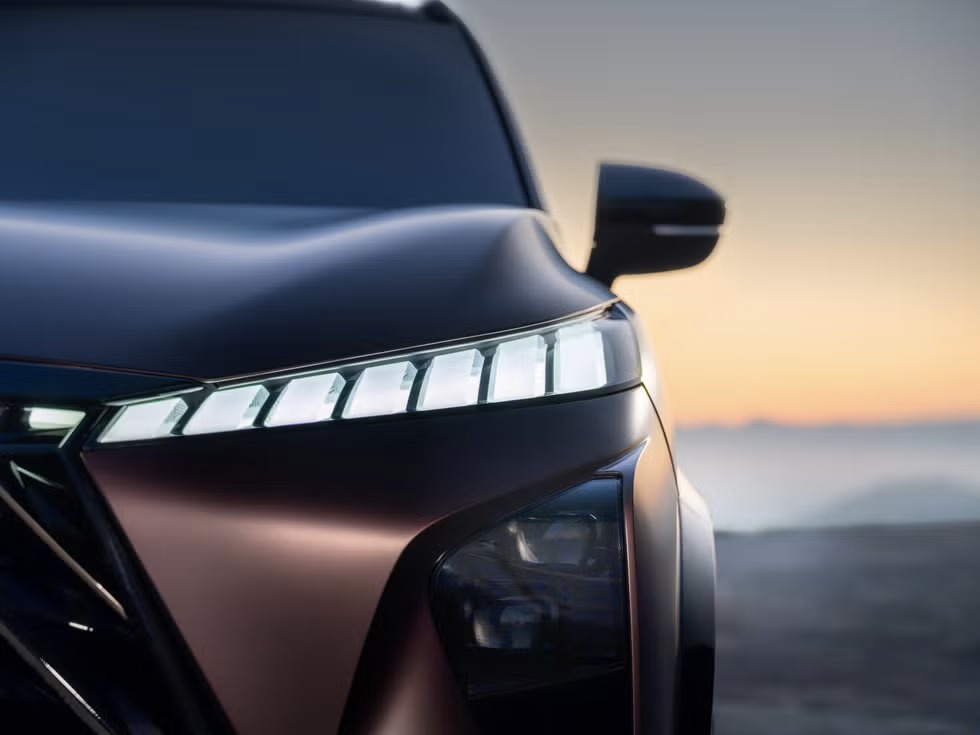
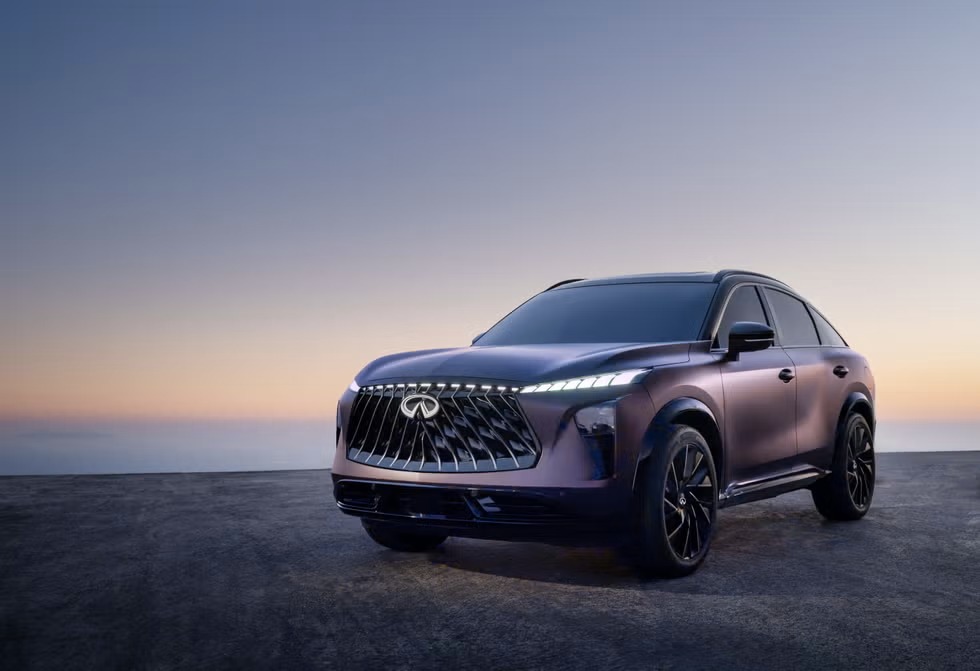
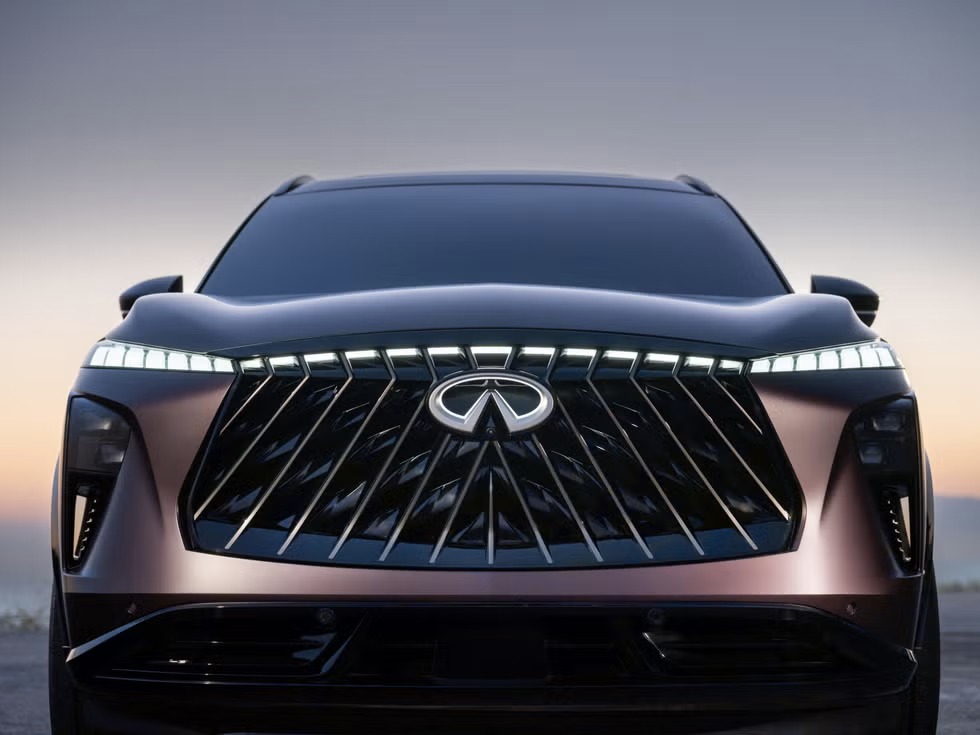
Infiniti has officially revealed its all-new QX65, a stylish SUV coupe set to redefine luxury design. The 2025 model made its debut at The Quail, flaunting a coupe-inspired roofline that blends sportiness with SUV practicality.
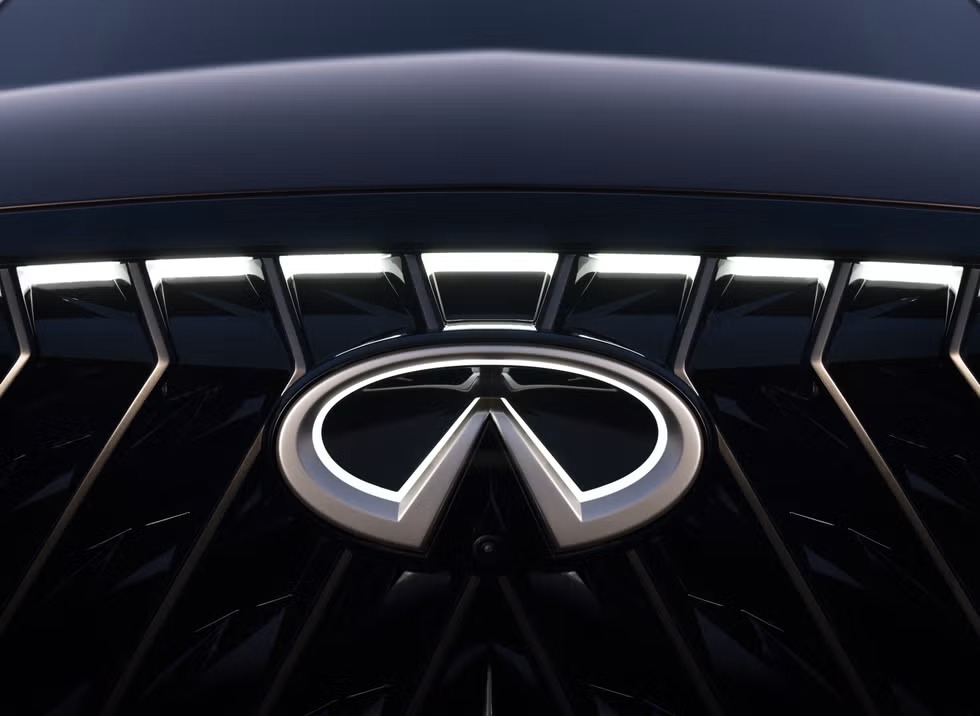
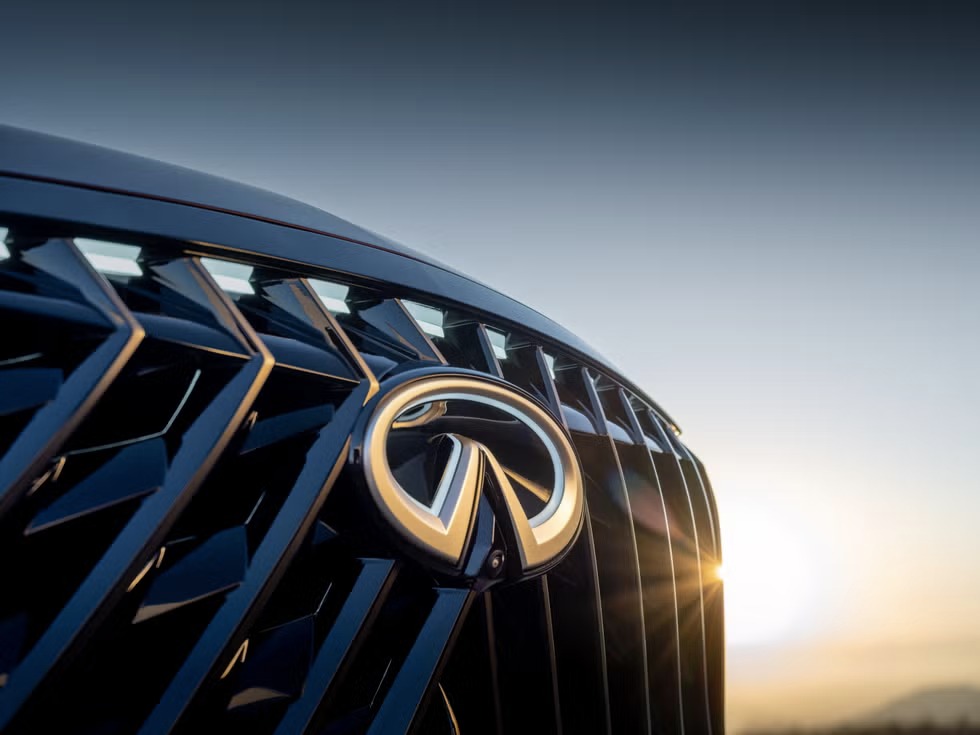
The QX65 sits on striking 22-inch wheels and features a full-width LED light bar, highlighted by Infiniti’s illuminated logo for a modern, 3D effect. At the rear, the SUV boasts sleek full LED tail lights, giving it an elegant yet futuristic presence on the road.
One of its standout design elements is the bronze-colored metallic strip running across its body, adding a premium and commanding feel to its overall look.
While Infiniti has showcased the QX65, the vehicle is not expected to officially launch until 2026, with market availability projected for 2027.
Car enthusiasts are already buzzing about its bold styling, cutting-edge details, and the brand’s fresh approach to luxury SUVs.
Check out more photos below………….