
reality
Queen Elisenda 700-Year-Old Remains Discovered in Barcelona

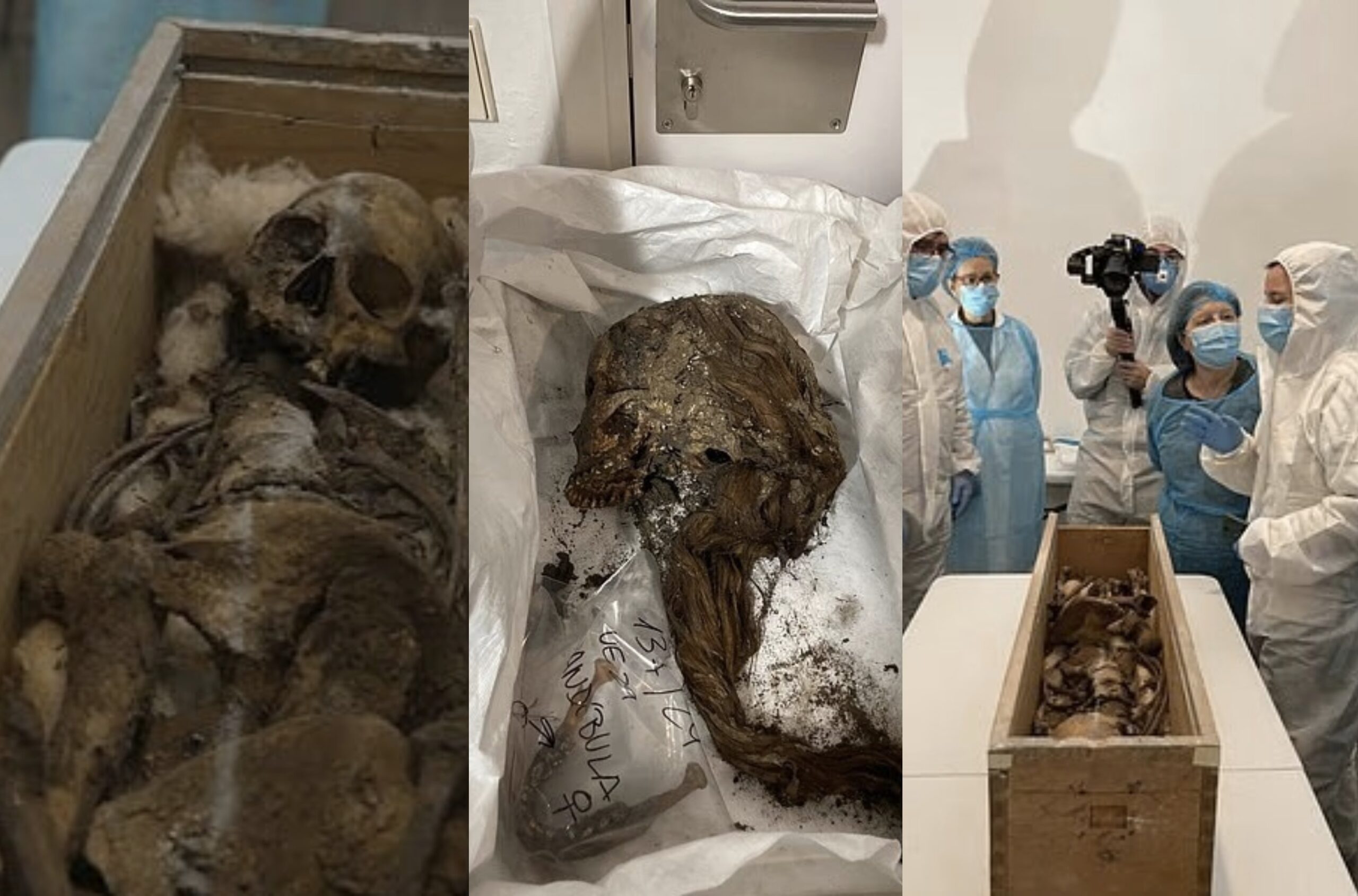
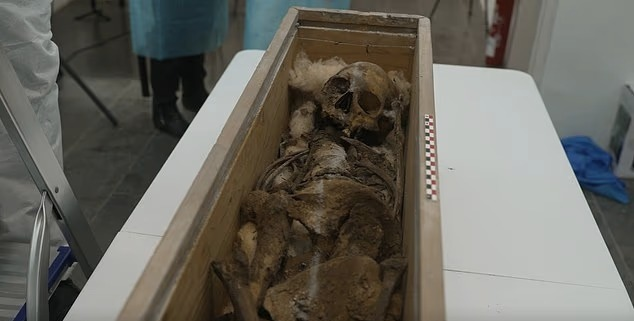
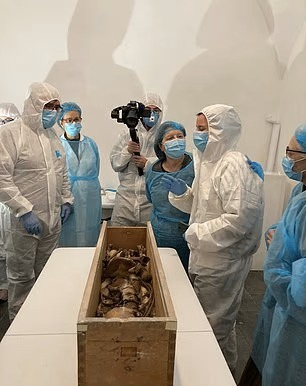
The remains of Queen Elisenda, a medieval royal figure from the 14th century, have reportedly been uncovered during archaeological work at a historic monastery in Spain, marking the first examination of her burial site in over 700 years.
Queen Elisenda was originally laid to rest at the Royal Monastery of Santa Maria de Pedralbes in Barcelona, where she had spent her later years following the death of her husband.
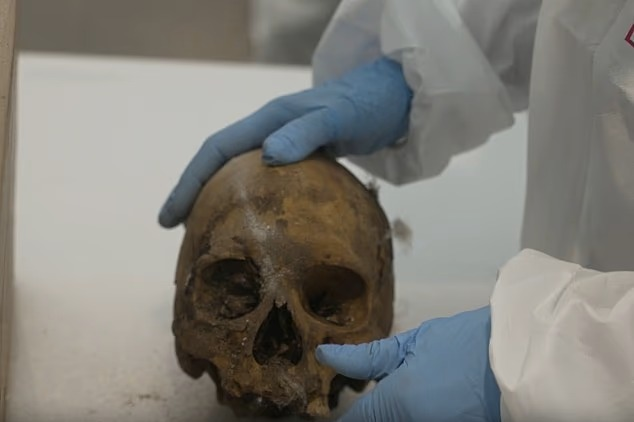
Historical records show that Elisenda was known for her noble lineage, political influence, and vast royal connections. She became queen at around 30 years old when she married James II of Aragon, who was significantly older at the time.
James II, also known as “James the Just,” ruled Aragon and Valencia from 1291 until his death in 1327.
Archaeologists involved in the recent excavation report that Elisenda likely died at around 70 years of age, with evidence suggesting osteoarthritis as a probable cause of death—a condition in which joint cartilage gradually deteriorates over time.
Although she was buried in a simple religious garment, researchers also discovered fragments of gold-embroidered silk fabric as well as traces of aromatic herbs within the tomb, suggesting ceremonial burial practices.
After the death of her husband, Elisenda is believed to have founded a monastery for Catholic nuns and later lived in a palace built beside it until her own death in 1364.
The recent excavation was carried out as part of a commemorative project marking the 700th anniversary of the monastery’s establishment. Researchers opened several historic burial chambers, uncovering remains from multiple individuals interred at the site.
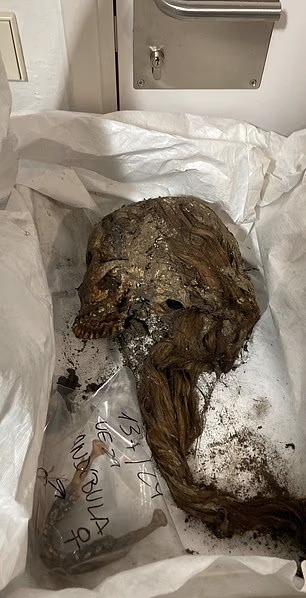
In total, 25 skeletons were recovered during the study, including one grave that contained the remains of nine individuals. Among the findings were well-preserved artifacts such as a woman’s long hair still attached to a skull, as well as papers, parchment, and even fragments of sheet music.
A statement from the Barcelona cultural institute described the site as an important historical resource for understanding medieval burial traditions and the representation of female power in 14th-century Catalonia.
“The structure of the tomb, its architectural solution and associated iconography make it a key monument for understanding the funerary practices of the high nobility and the representation of female power in 14th century Catalonia,” the statement read.
Researchers say further DNA analysis will be carried out using bone and tooth samples to confirm identities and explore possible family relationships among those buried at the site.




Follow Our WhatsApp Channel here
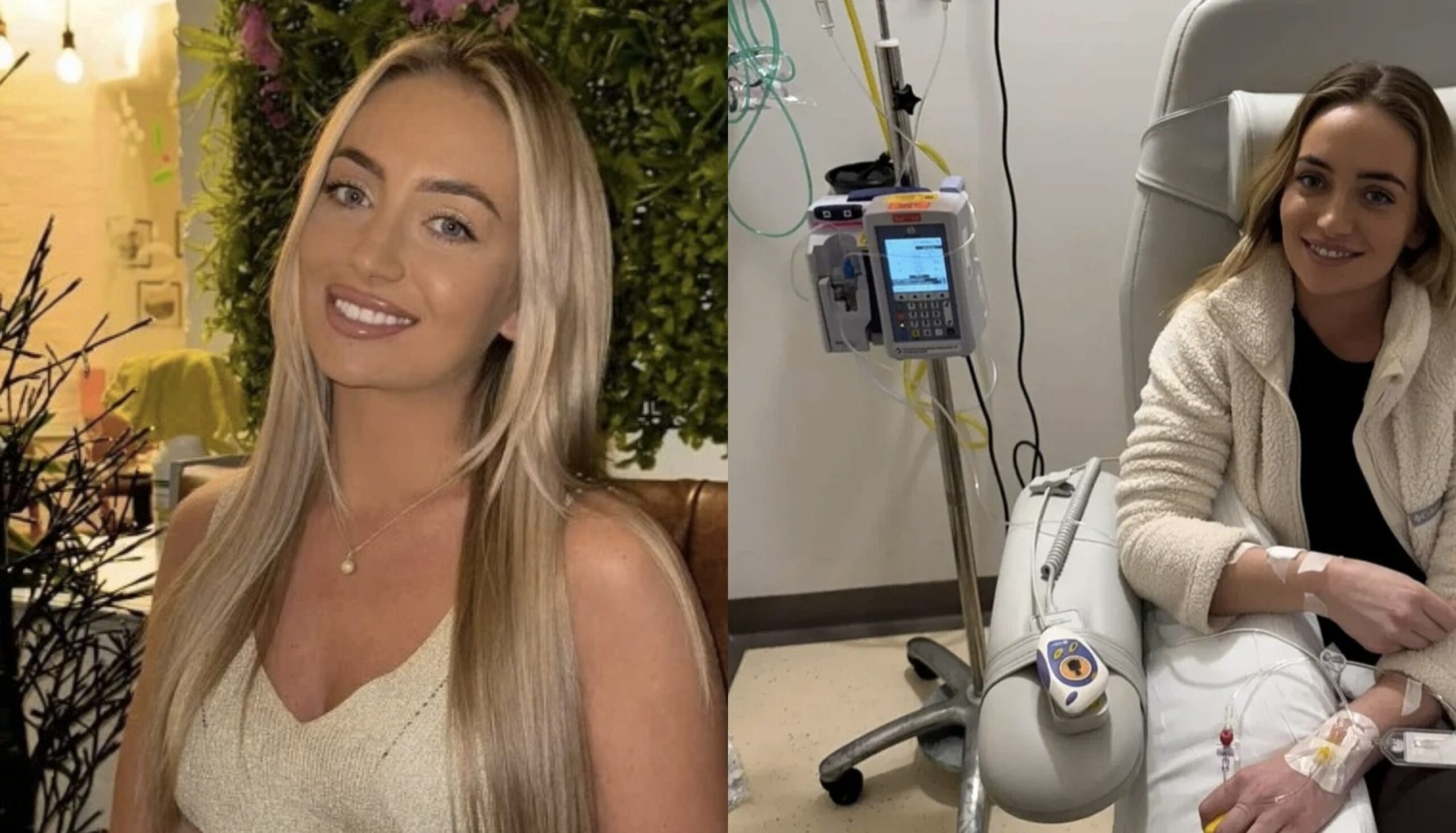
Chelsea passed away on September 30, just days before her 30th birthday, after doctors discovered that the cancer had spread to her brain.
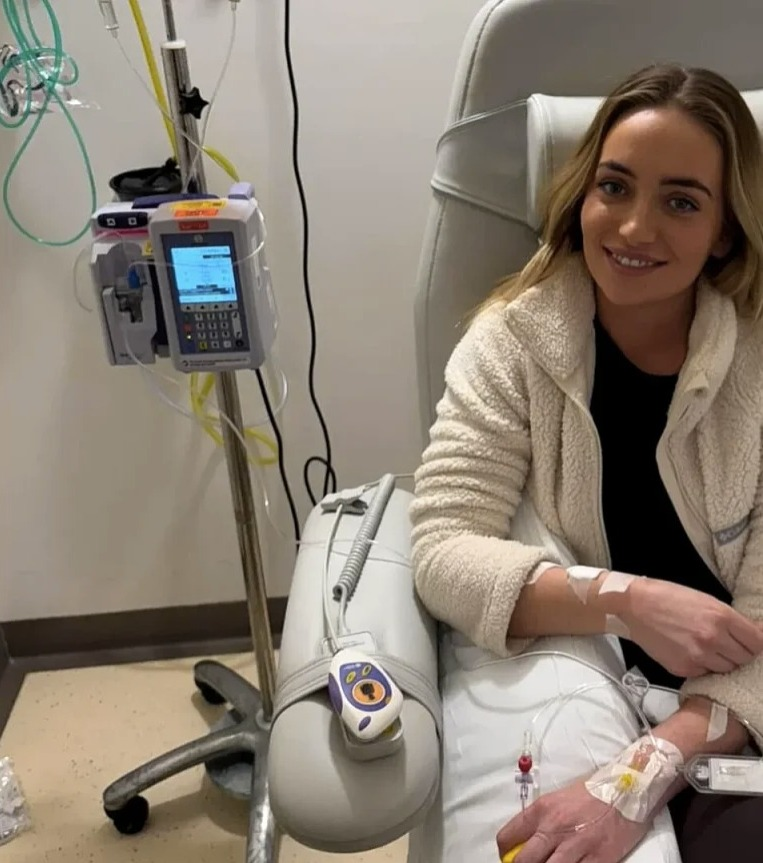
Before her death, Chelsea had spent years battling the disease, which eventually affected her mobility and left her using a wheelchair.
Follow Our Telegram Channel here

Despite being under 18 at the time, Chelsea said she was never asked for identification before using sunbeds.
After her diagnosis, she became an advocate for stricter rules around sunbed use and campaigned for mandatory ID checks to prevent young people from accessing them.
Chelsea had used sunbeds regularly for about a decade before she was diagnosed with stage 3C melanoma.
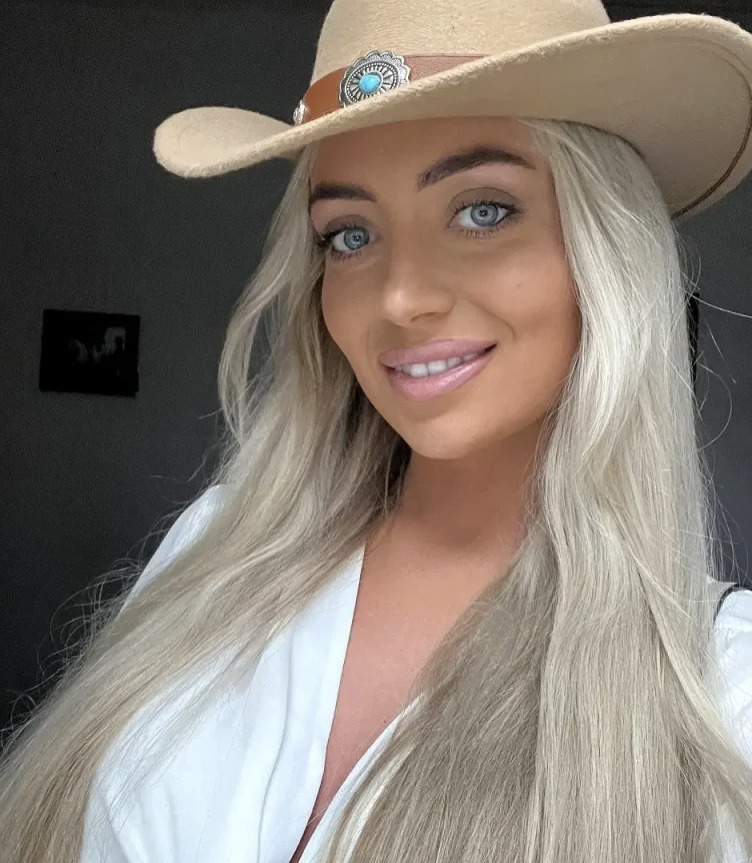
By the time the cancer was discovered, it had spread to several parts of her body, including her spine, ribs, pelvis, femurs, lungs, liver, spleen and breast.
During her battle with the illness, Chelsea underwent several treatments while also raising awareness about the dangers associated with excessive sunbed use.
She successfully raised more than £4,000 for charity while continuing her campaign for stronger protection measures.
reality
They Called Me Crocodile and Tortoise at School Because of My Skin– Lady Cries out, Shares Her Struggle With Eczema
Follow Our WhatsApp Channel here
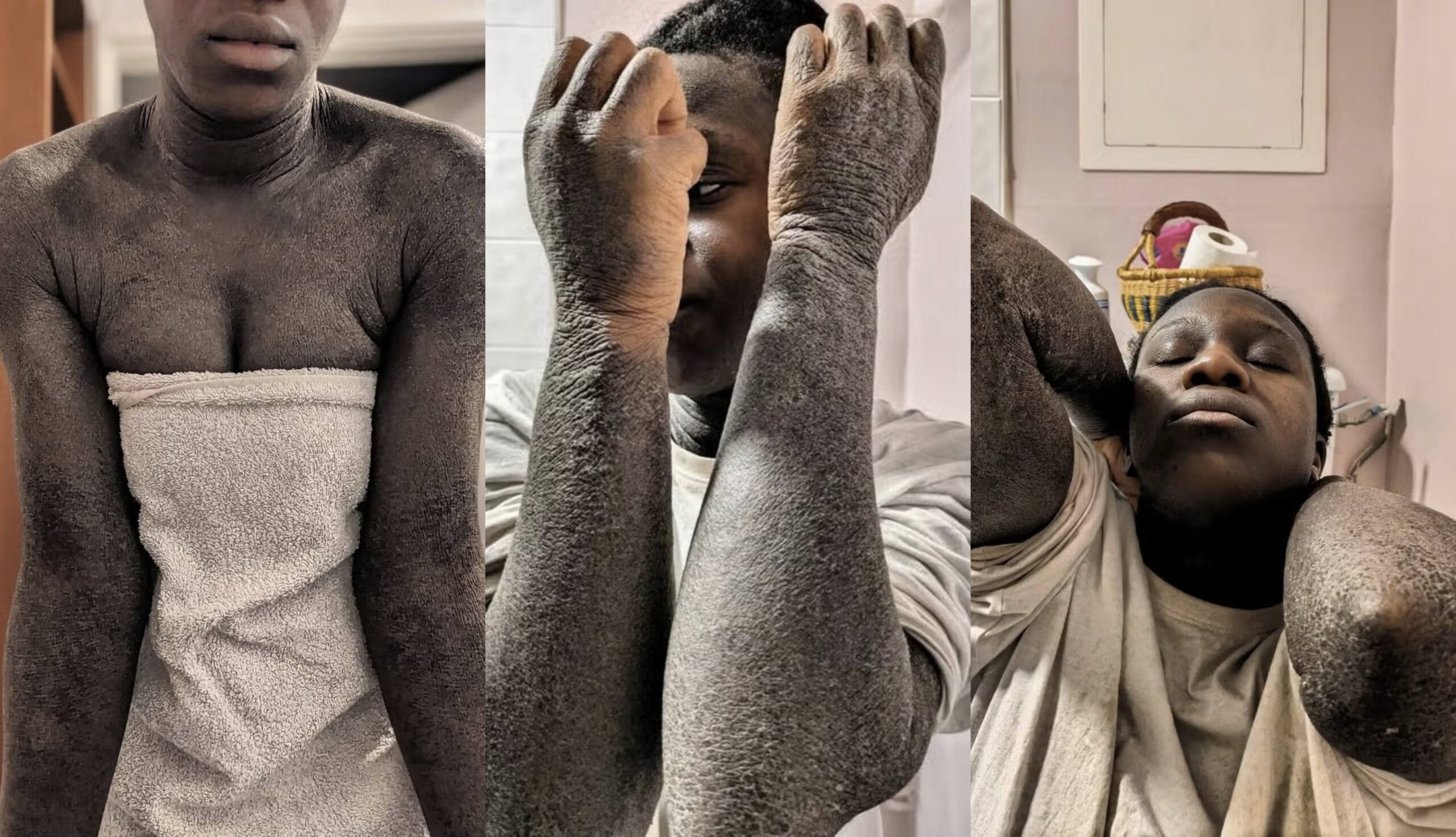
Harriet said she has suffered from eczema since she was a baby, with severe itching being one of the major symptoms she experienced throughout her childhood.
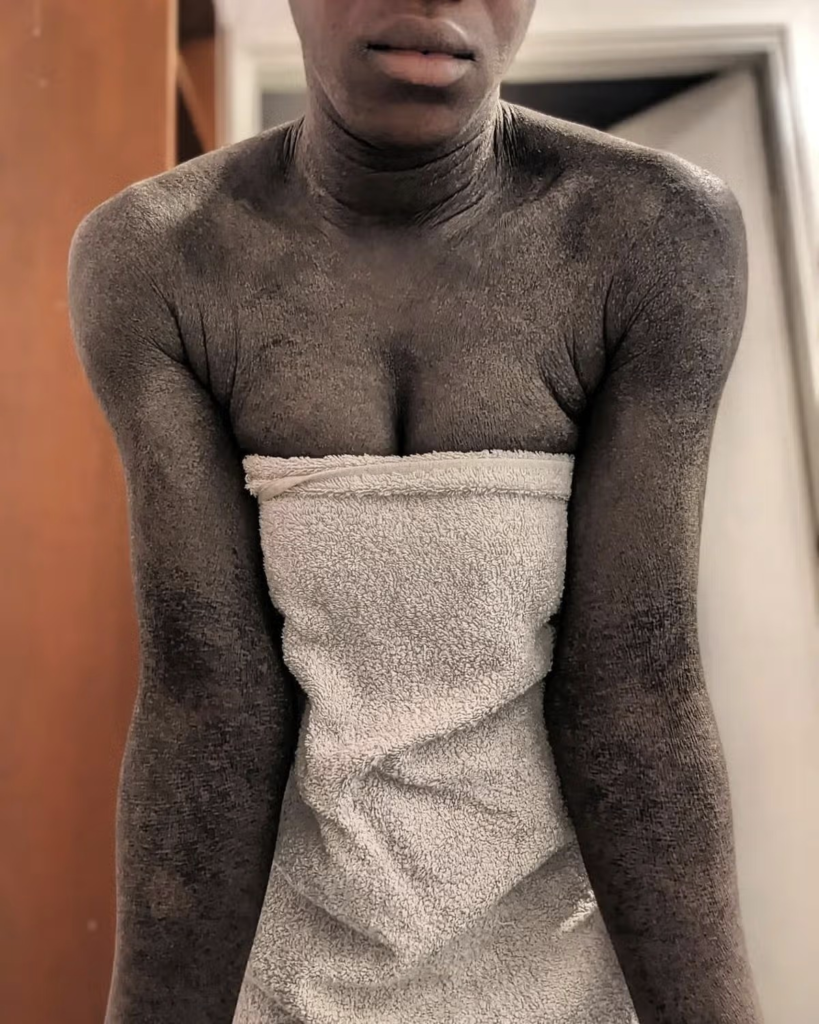
After receiving advice from specialists, her parents began applying steroid creams to her skin when she was five years old. She continued using the treatment for more than two decades whenever her eczema became severe.
Follow Our Telegram Channel here
However, Harriet said her condition became increasingly difficult to manage despite the treatment.
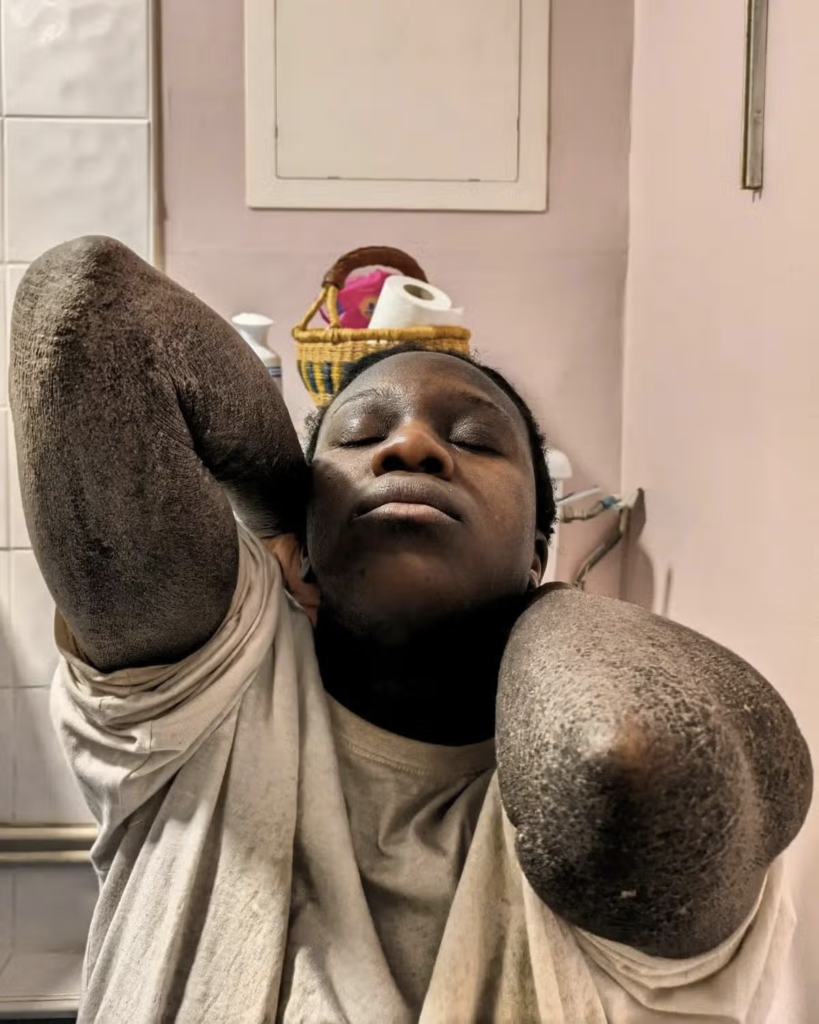
Harriet said that when winter arrived, she experienced what she believed was topical steroid withdrawal (TSW), with several symptoms appearing at once.
She said she experienced skin and hair shedding, worsening itching, difficulty regulating her body temperature and a “thick layer of skin” that developed across her body.
Since stopping topical steroids, Harriet said she has gone through several intense flare-ups, including one period between September 2023 and March 2024 when she was unable to leave her home for seven months.
Speaking about the severity of the experience, Harriet told PA Real Life:
“A topical steroid withdrawal flare-up can be very debilitating. (At its worst) I couldn’t actually move my body and I was in constant pain that I couldn’t quite describe.
“It was very hard to regulate my heat, there was a point where I lost all my hair so I was completely bald and my skin was falling off and I had loads of patches. It was just a really horrendous time for me.”
Harriet recalled that her eczema was treated during her childhood by a specialist dermatology team that worked to control her flare-ups.

She said some episodes were so severe that she would scratch herself while sleeping until she bled.
Her condition also affected her school life, as Harriet revealed that she was bullied by other children who called her names including “Crocodile” and “Tortoise.”
Before stopping steroid treatment at the age of 27, Harriet said she relied on the creams whenever she experienced a flare-up. During particularly difficult periods, she could use them every day for a week, while at other times she would use them every few months.
She also tried alternatives such as coconut oil and shea butter alongside the steroid creams, but said none worked as effectively for reducing the severity of her symptoms.
Explaining why she eventually decided to stop using steroid treatment, Harriet said:
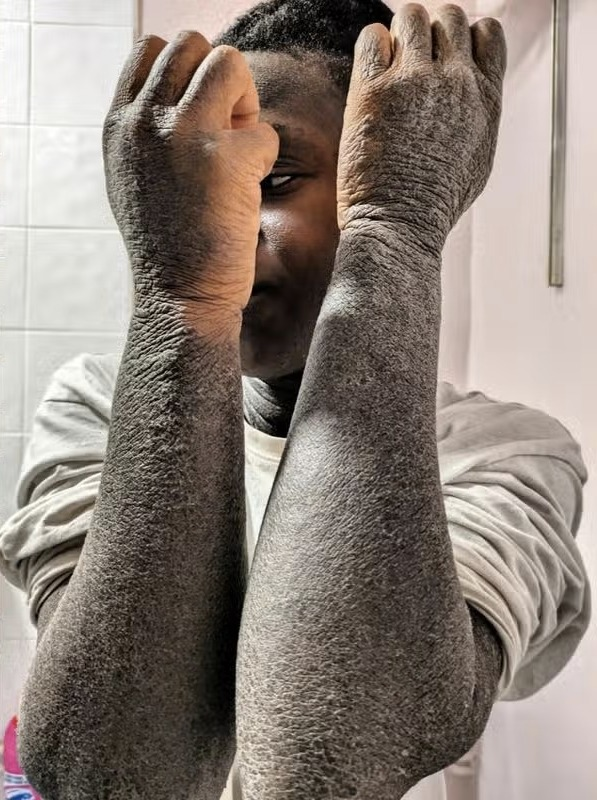
“I was on the highest potency steroids and it got to a point where there is actually nothing else for doctors to prescribe for me.
“I hit a glass ceiling with it and there wasn’t really a next course of action.”
After researching topical steroids, Harriet said she learned about topical steroid withdrawal and began questioning her long-term reliance on the treatment.
She said her eczema became “definitely got worse” after she stopped using the steroids before she began experiencing periods when her symptoms appeared to improve.
However, she said the condition would sometimes return intensely.
She said:
“It just came back so aggressively and intensely. The rebounds have probably been the most difficult ones to deal with because I thought I was getting over it and I could maybe have clear skin, or even manage eczema, and then I realised that’s not the case.”
Harriet said she now distinguishes between her eczema flare-ups and what she describes as TSW rebounds, adding that her eczema flare-ups can last longer than they previously did.
She has since explored other options, including private intolerance tests, and said she hopes to undergo allergy testing and explore other approaches in the future.
Despite the challenges, Harriet said she is still trying to manage her condition and improve her quality of life.
“I still experience flare-ups, I still struggle to sleep, and I still have mental battles that I’m dealing with,” Harriet said.
“My skin is extremely texturised at the moment, so I want to get to a place where it’s more of a calm consistency.”
Her condition continues to affect different aspects of her daily life, including activities such as going to the gym and travelling abroad.
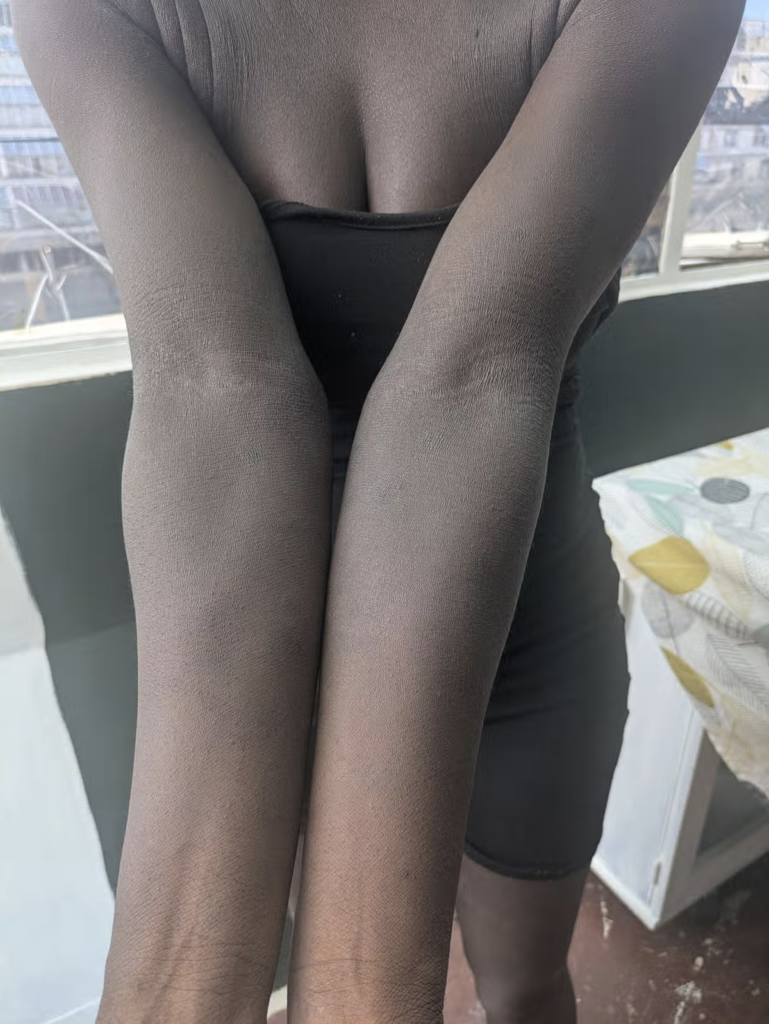
Harriet said she enjoys going to the gym because it helps her manage her physical and mental wellbeing, but her skin condition can make everyday activities difficult.
When travelling, she said she sometimes packs an entire suitcase filled with products and items to help manage her skin, including emollients, moisturisers, compression gloves and even her own bedsheets.
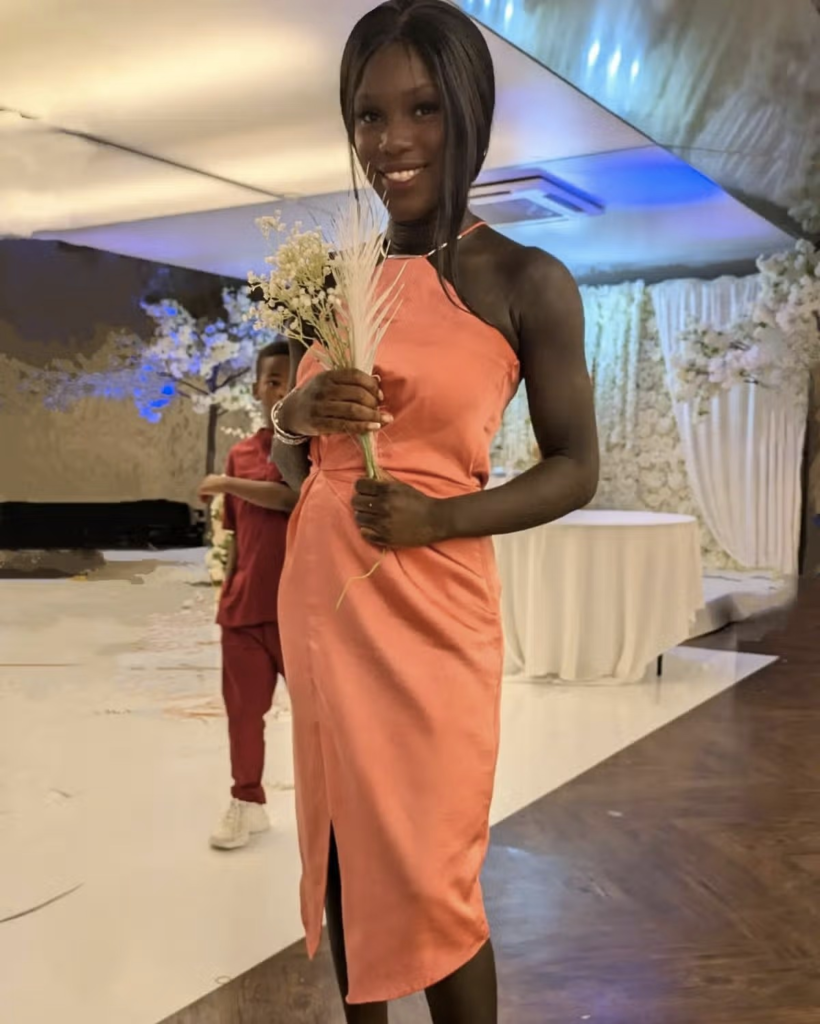
Although Harriet said stopping topical steroids was the right decision for her, she stressed that she remains on a journey to find ways of managing her eczema and dealing with the ongoing challenges it brings.
reality
They Call Me Grandma at School – 6-Year-Old Girl With a Rare Condition That Makes Her Look Much Older Than Her Age Cries Out
Follow Our WhatsApp Channel here
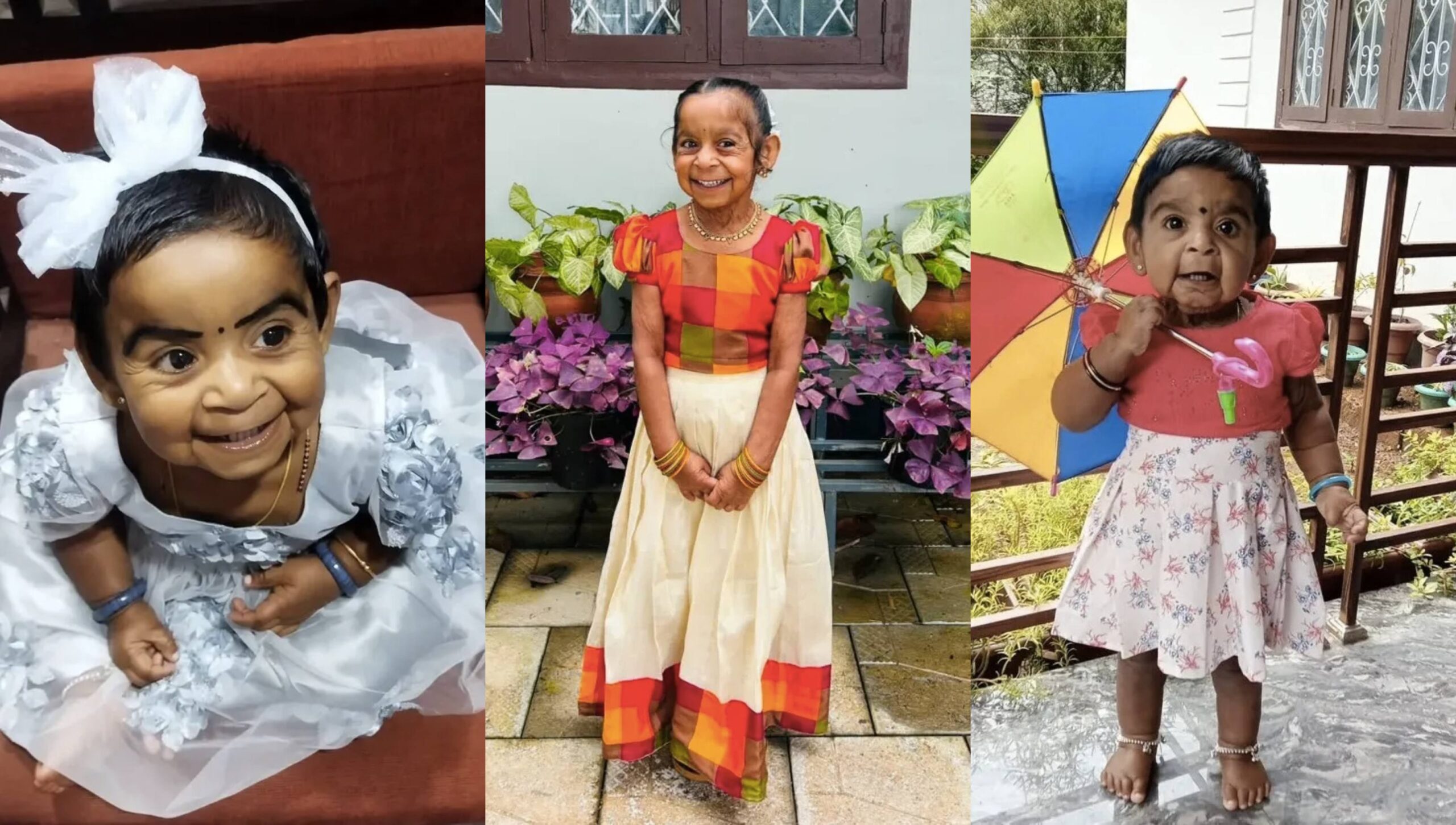
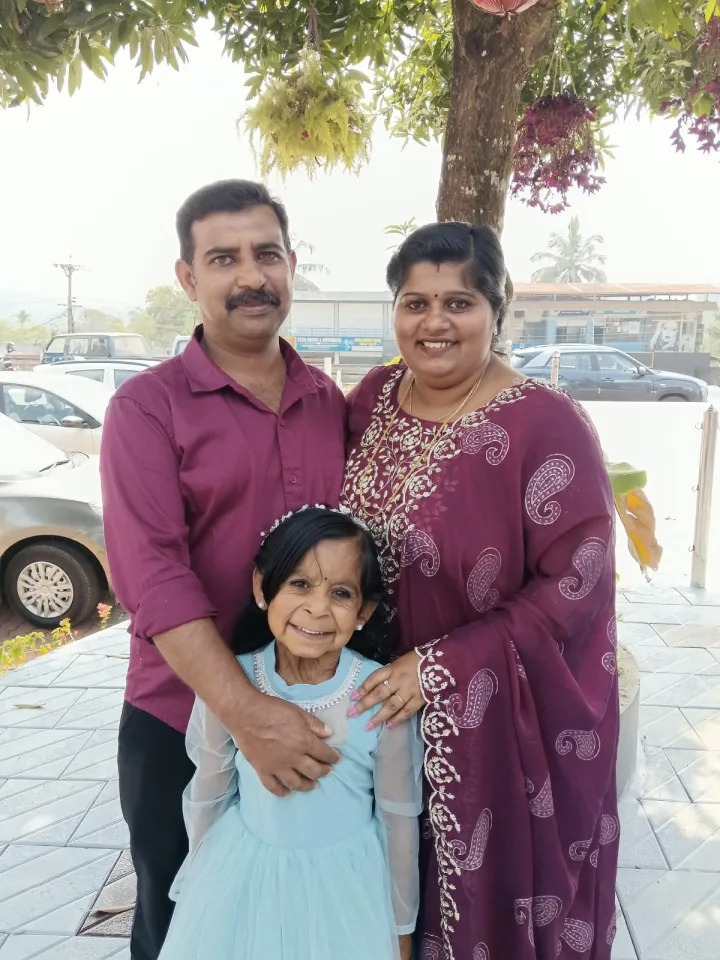
Aizza suffers from Cutis Laxa, a rare connective tissue disorder that affects the skin’s elasticity and can cause it to hang loosely in folds.
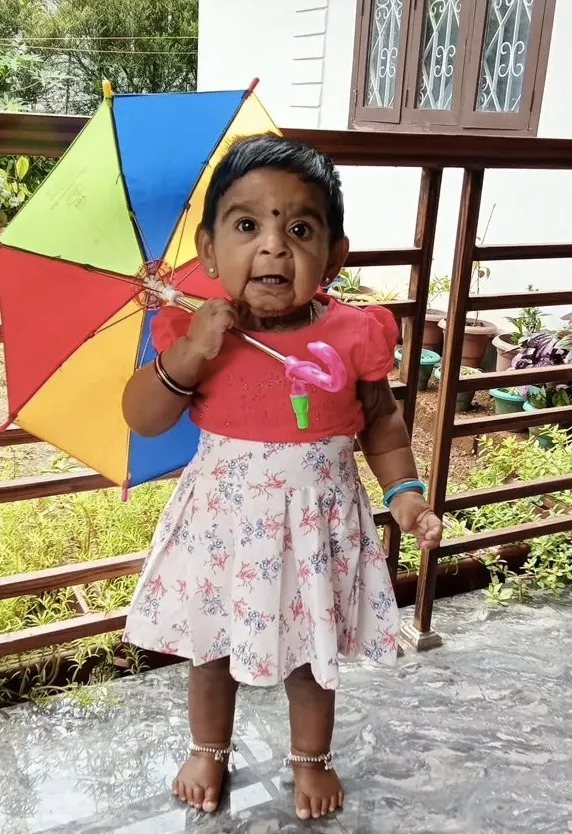
Her condition has also affected her experience at school, where she has been mocked by some children because of her appearance.
Follow Our Telegram Channel here
Her parents, 27-year-old housewife Anjali and 32-year-old security guard Akhil KC, are now trying to raise money for further medical treatment and surgeries for their only child.
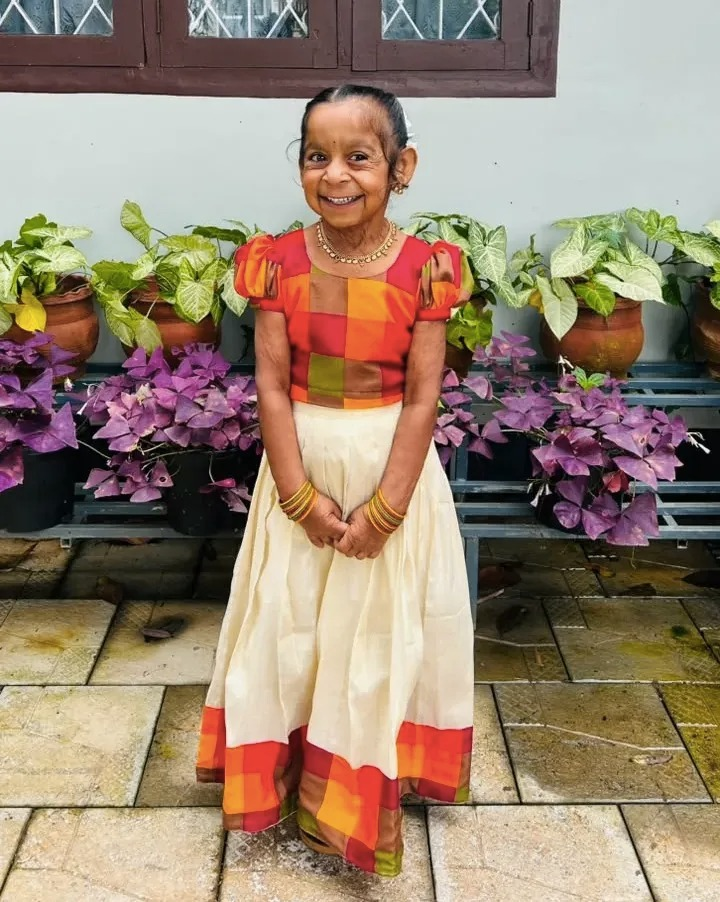
According to her parents, they did not notice anything unusual when Aizza was born. Anjali said she had a normal pregnancy and underwent the required scans, ultrasounds and medical treatment before giving birth through a C-section.
Anjali said: “I had a normal pregnancy. I underwent the required treatment, all the scans and ultrasounds and medicines.
“The delivery was a C-section. She was born a healthy child with regular features.
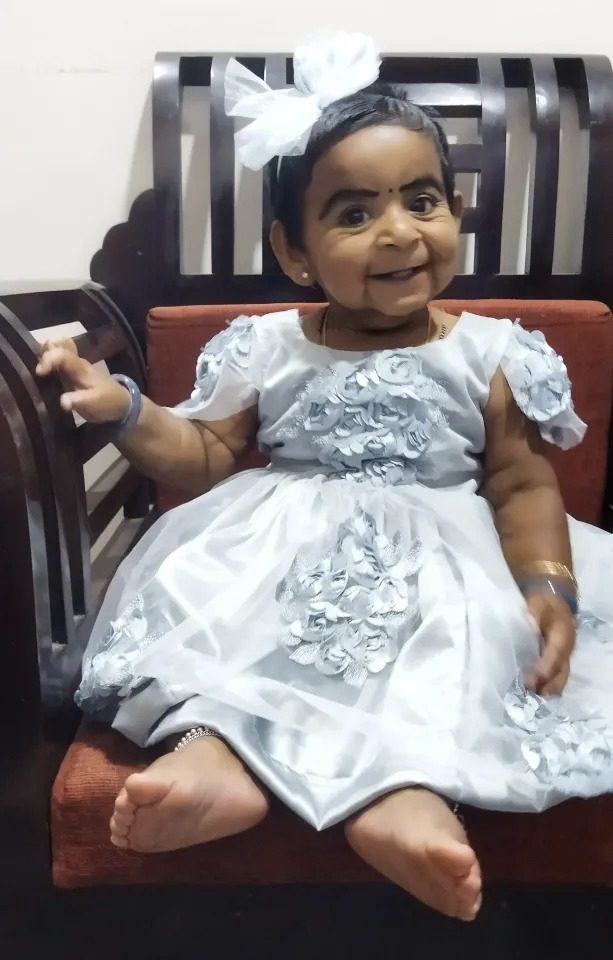
“But by the time she was six months old, we noticed her skin had changed. We could not understand the reason.
“We were told that she has a rare condition, I couldn’t even spell it properly. I had neither heard about it nor could understand what the cause was.”
Her parents took her to more than a dozen doctors across Kerala as they tried to understand the condition and find ways to manage it.
According to Anjali, doctors warned the family that Aizza’s condition could become more difficult as she grows older, with her skin continuing to lose elasticity and the condition potentially affecting her internal organs, tissues and immunity.
Aizza already has respiratory problems and suffers from dry and itchy skin. She takes daily medication to help with her breathing and requires regular medical care and products to keep her skin moisturised.
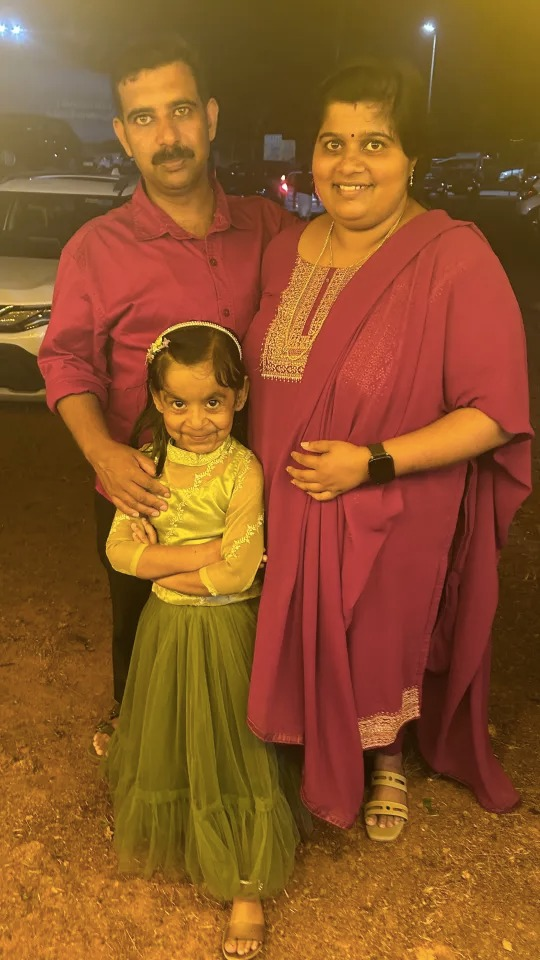
Anjali said her daughter’s treatment costs the family up to 20,000 rupees, around £160, every month, while Akhil earns the equivalent of about £120 a month.
The family’s financial difficulties became more serious earlier this year when Aizza required surgery after the skin around her left eyebrow began to droop and cover her eye.
The procedure cost her parents almost £800 and is expected to be one of several surgeries she may need as she grows.
Anjali said: “The doctors have told us to be prepared for more plastic surgeries as she grows. We need money for that.
“We want her to have a safe and healthy life. God has given us a daughter and we want to take care of her.
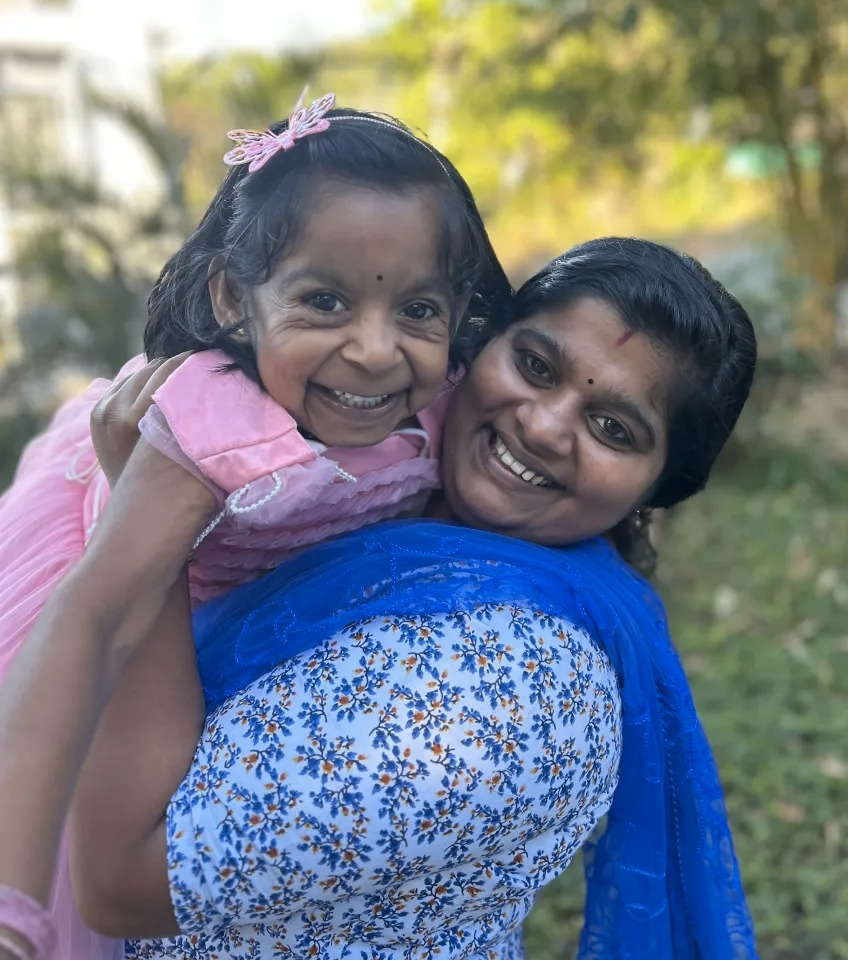
“We want to provide her with everything and let her live a normal and happy life.”
Despite the challenges she faces, Aizza has gradually become more comfortable around her classmates as they have learned more about her condition.
Her uncle, Arjun George, said the family visited her school and spoke with her teachers before an assembly was organised to explain Aizza’s condition to the other students.
He said: “We went to the school and met her teachers.
“After that an assembly was organised and all students were informed about her condition.”
Follow Our WhatsApp Channel here
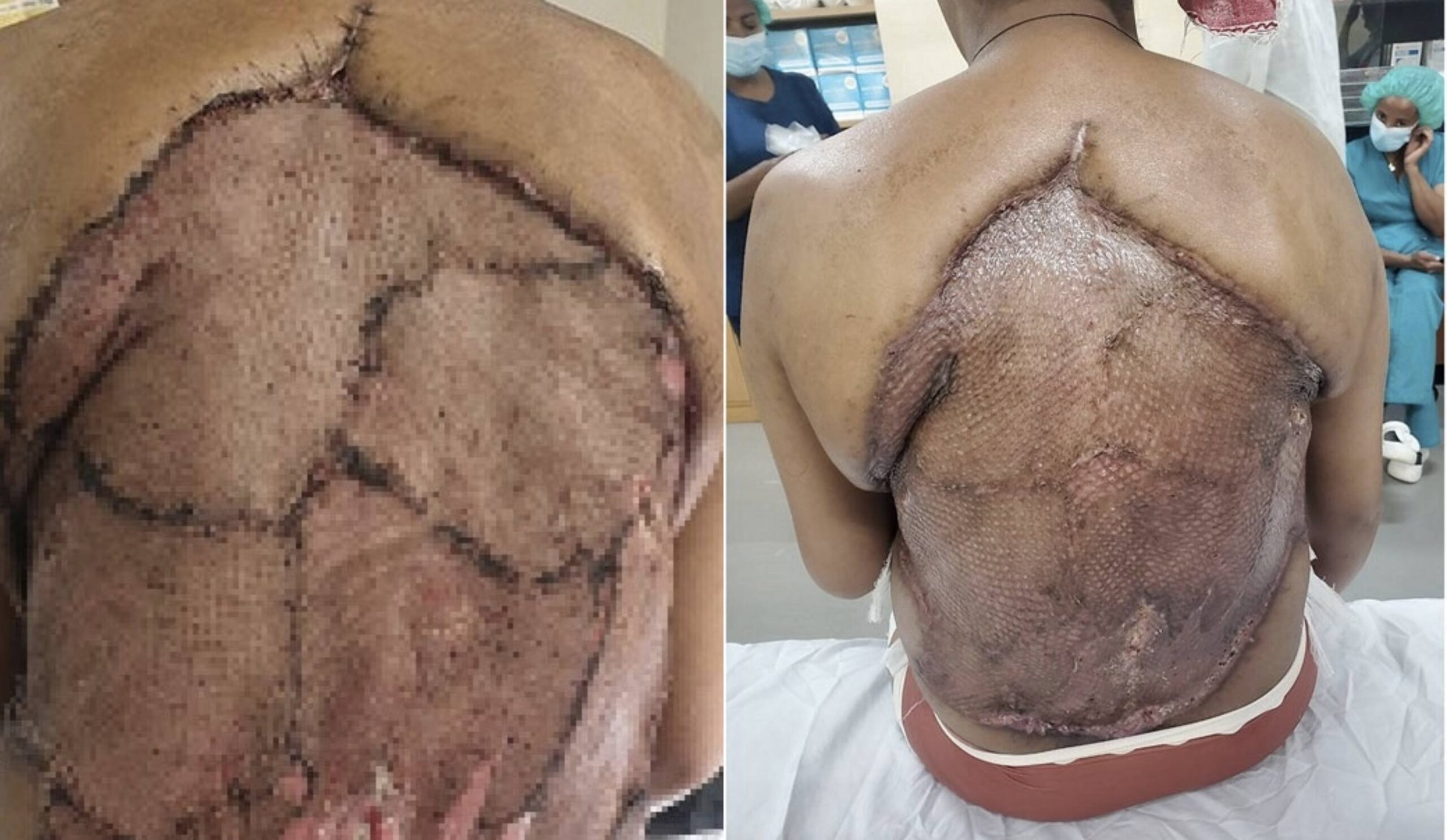
According to the woman, she was diagnosed with sepsis and necrotising fasciitis, a rare but potentially life-threatening infection where bacteria rapidly destroy tissue beneath the skin.
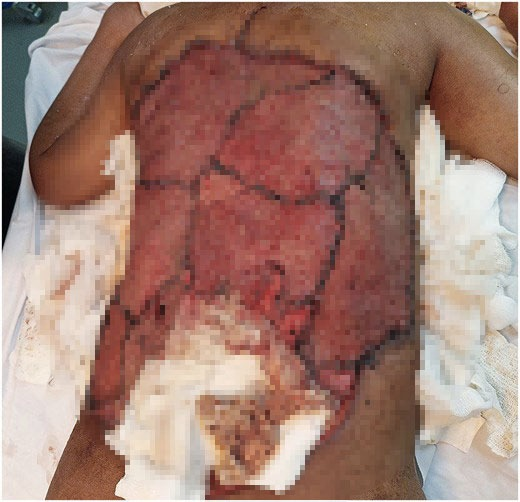
She revealed that doctors had to remove a 40cm by 30cm area of infected skin, fat and muscle from her back, leaving parts of her ribs, shoulder blade and spine exposed.
Follow Our Telegram Channel here
The woman explained that she had been living with untreated type 2 diabetes for five years after declining medication when she was first diagnosed.
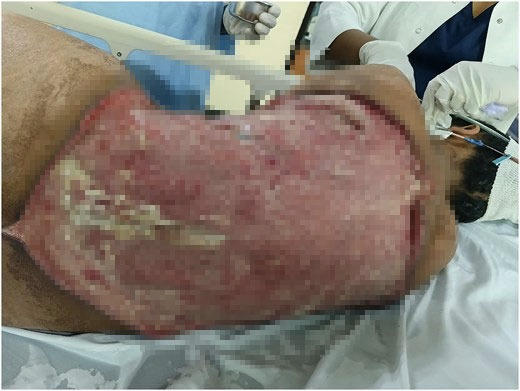
Over time, she developed a serious infection on her back, which resulted in extensive tissue death, sepsis and diabetic ketoacidosis.
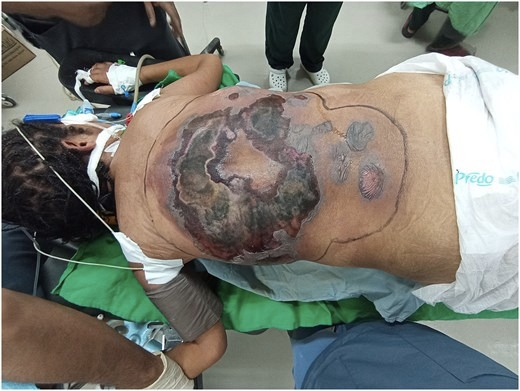
Her skin had developed blisters and was producing pus, while gas had become trapped beneath the damaged tissue.
During the medical emergency, she was also experiencing a fever, rapid breathing and confusion, while her blood sugar levels were recorded at dangerously high levels.
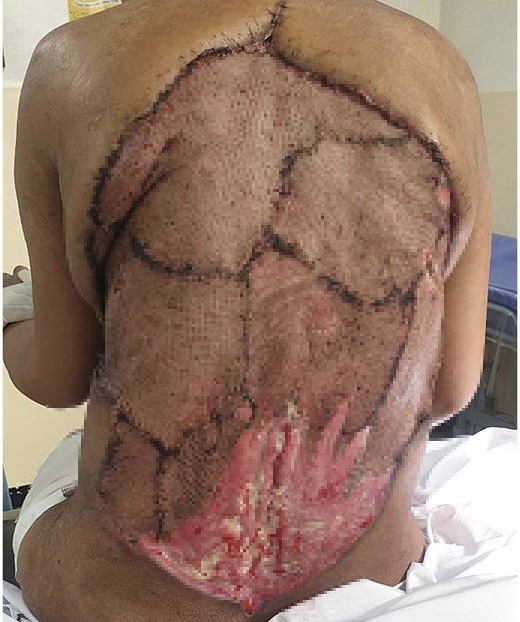
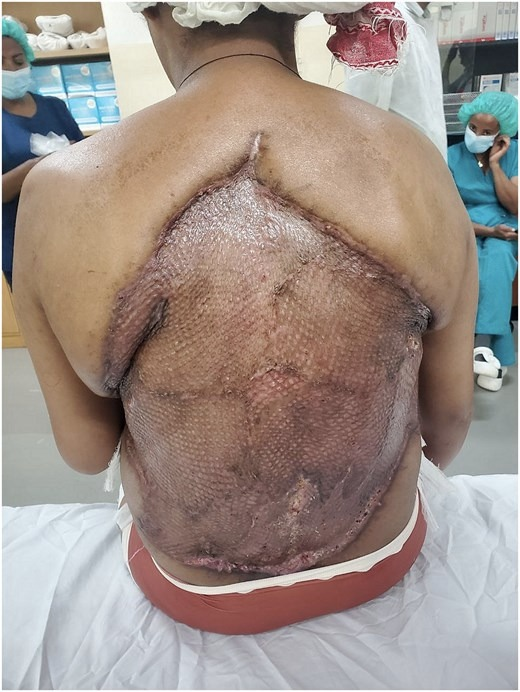
Treatment began immediately with antibiotics, intravenous insulin and blood transfusions as doctors worked to stabilise the woman in intensive care at a hospital in Addis Ababa, Ethiopia.
Her condition required emergency surgery. Surgeons performed an extensive debridement procedure, removing dead and infected skin, fatty tissue and muscle until healthy tissue that could bleed properly was reached.
The procedure resulted in a massive wound measuring about 40cm by 30cm. Parts of her ribs, the tip of her shoulder blade and several bony areas along her spine were left exposed.
Her ordeal had started about two months earlier when she noticed swelling developing on her back. The swelling continued to worsen, and her condition became increasingly serious.
Before she was admitted to hospital, she developed abdominal pain, rapid breathing, fever and confusion.
Doctors later carried out another operation to remove tissue that was still unhealthy. However, they decided against immediately attempting major reconstructive surgery because her body was not yet strong enough to cope with such an extensive procedure.
Instead, the medical team focused on preparing the wound gradually for skin grafting.
To help new tissue develop, surgeons drilled small openings into the outer surface of the exposed ribs to stimulate bleeding and encourage the growth of healthy tissue. Sections of spinal bone that were protruding from the wound were also carefully reduced.
Muscle from the surrounding area was then repositioned over parts of the wound where viable bone remained, helping to provide coverage and a blood supply needed for healing.
The woman required daily wound treatment under sedation while doctors continued cleaning the area and removing tissue that was not recovering.
Skin was eventually taken from her left thigh for grafting. Nearby soft tissue was also moved to make the wound smaller before the graft was placed.
During the first grafting procedure, surgeons managed to cover about 70 per cent of the remaining wound.
Doctors intentionally limited the extent of the operation to avoid placing excessive stress on her recovering body while also preserving enough donor skin for further treatment if it became necessary.
reality
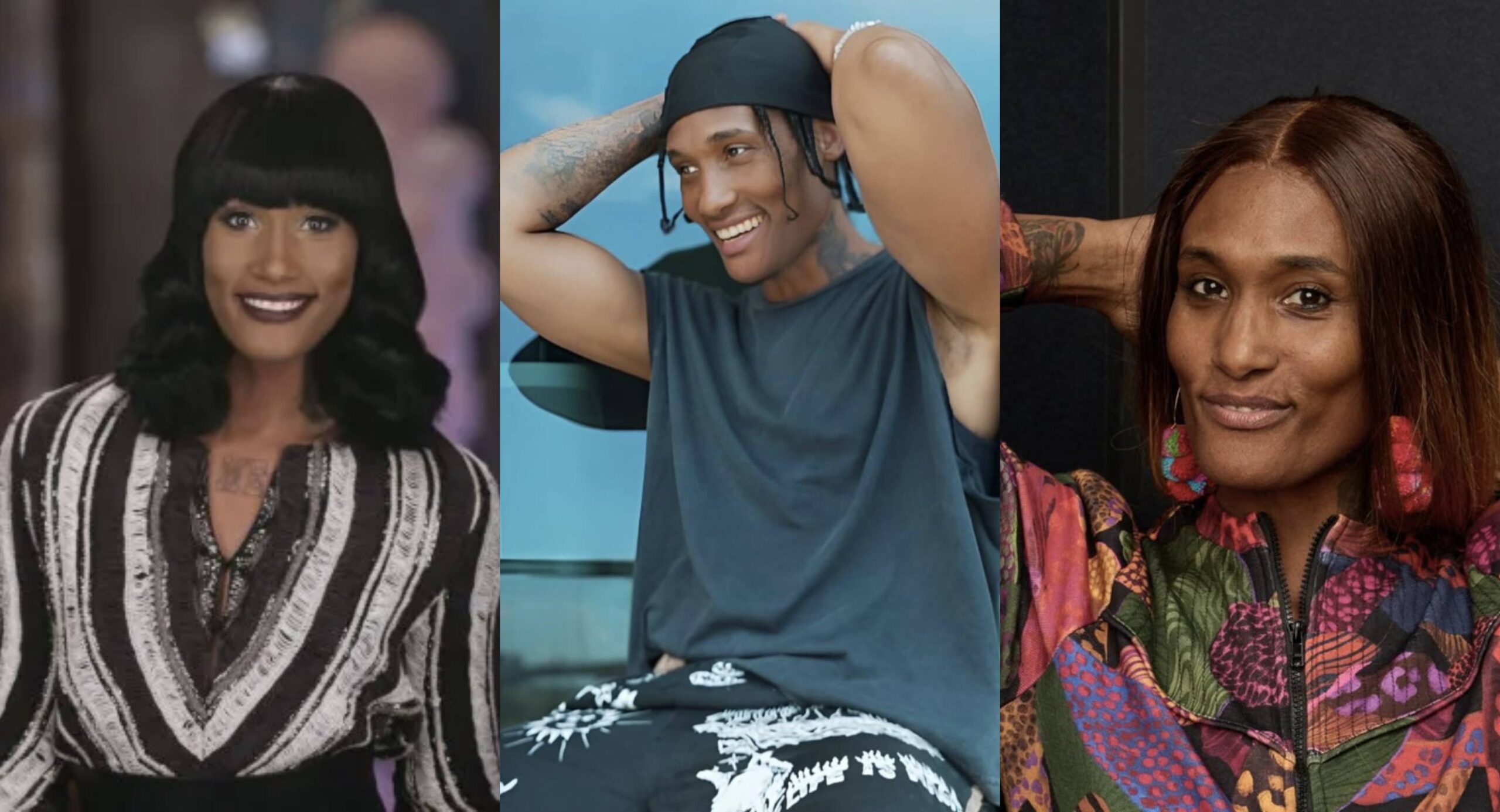
Life Is Constantly Pushing Me to Grow – D. Smith, Who Previously Transitioned From Male to Female, Reveals He Has Returned to Living as a Man
Follow Our WhatsApp Channel here
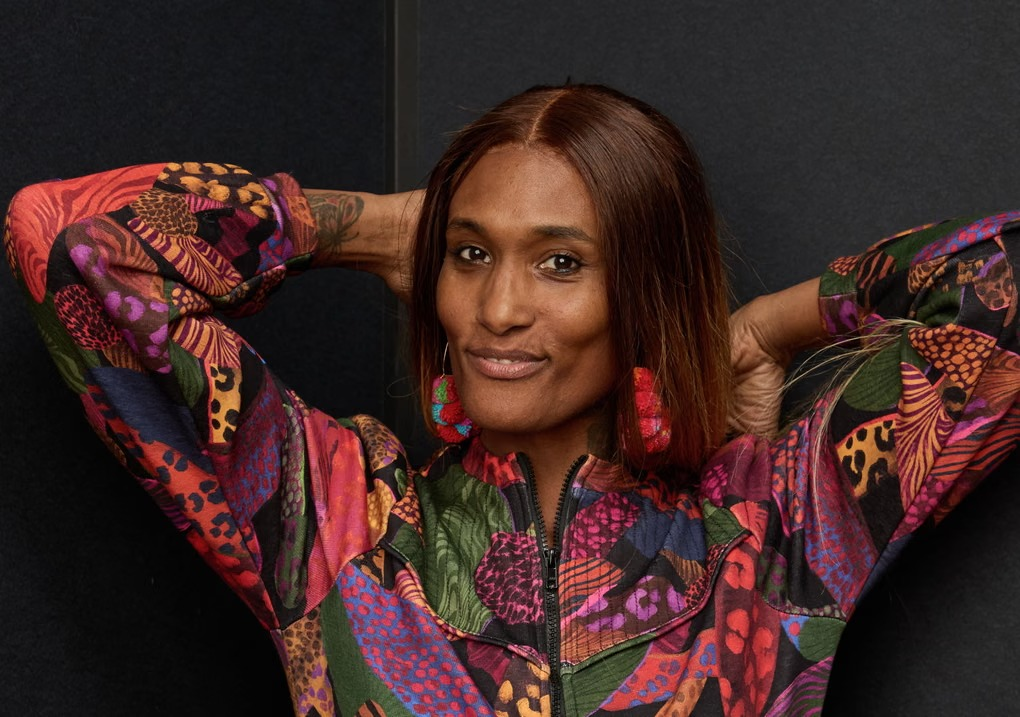
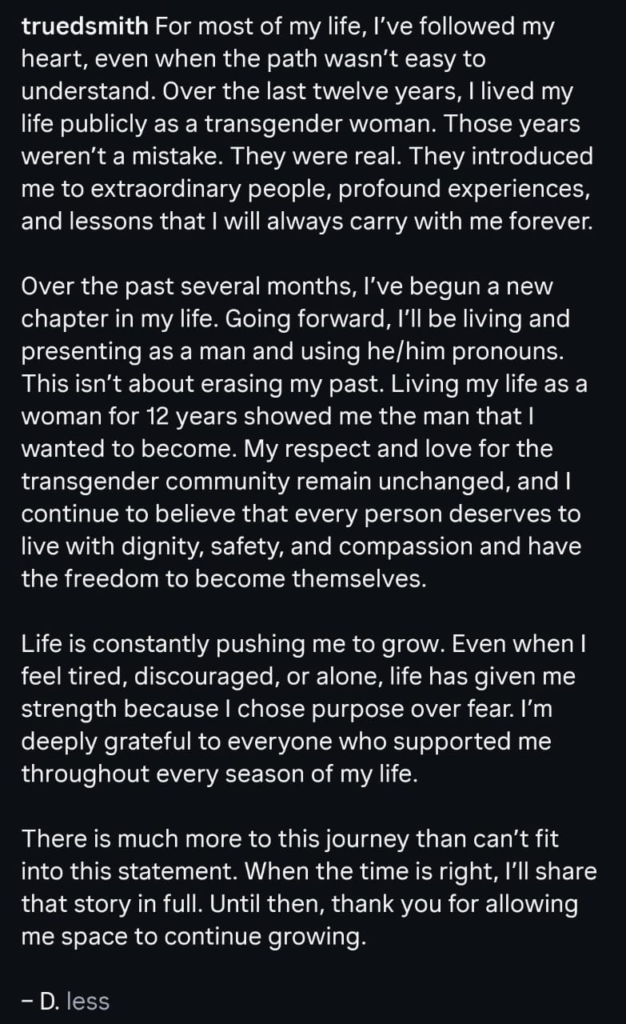
The producer made the announcement in a statement shared on his Instagram page on September 17, explaining that he spent the past 12 years living publicly as a transgender woman and that the experience was an important part of his personal journey.
It could be recalled that after Smith came out as transgender, he previously said he faced challenges within the music industry, including collaborators distancing themselves from him, projects being pulled, and friends no longer responding to his calls.
He continued: “Over the past several months, I’ve begun a new chapter in my life. Going forward, I’ll be living and presenting as a man and using he/him pronouns. This isn’t about erasing my past. Living my life as a woman for 12 years showed me the man that I wanted to become. My respect and love for the transgender community remain unchanged, and I continue to believe that every person deserves to live with dignity, safety, and compassion and have the freedom to become themselves.”

Smith also expressed gratitude to people who supported him throughout different stages of his life, adding that his journey has continued to teach him important lessons.
He wrote: “Life is constantly pushing me to grow. Even when I feel tired, discouraged, or alone, life has given me strength because I chose purpose over fear. I’m deeply grateful to everyone who supported me throughout every season of my life.”
The producer added that there is more to his story that he plans to share when the time is right.
He wrote: “There is much more to this journey than can’t fit into this statement. When the time is right, I’ll share that story in full. Until then, thank you for allowing me space to continue growing.”

reality
Woman who could not get a Job for over 20yrs due to her Tattoos shares throwback photos of herself

Follow Our WhatsApp Channel here
The tattoo addict has previously spoken out about the challenges she faced in securing employment and being accepted in various social settings due to her heavily tattooed appearance.


She revealed that she was subjected to mockery and discrimination, even being banned from attending parent meetings at her children’s school, as well as church and Halloween celebrations.
She said: “I’m going to get another one done tomorrow.
“I’m getting a cross under my eye, it’ll be a plain one – like a crucifix. I don’t know if I’m religious, I just like crosses – I usually go for hearts or roses, but now I’ll get crosses for a bit

“I go with the flow, whatever I like I put on my face. I go with the inspiration, There’s space left so I’ll put it on. It’s free, I do it myself – or my boyfriend does it, he’s been trained to do it – he’s been doing it for years.
“We have ort own machine and everything, it keeps the cost down.
“It’s expensive now isn’t it, I’m having the cross tomorrow – that would cost £60-70 at a tattooist but it will only cost me ink now, which is about £10 a bottle and a needle which is £10 a box, so I guess it will cost me about £1 I should think.
“I’ve got too many tattoos now, too many to count. I’ve gone over ones I’ve already had.
“I’ll never stop, I tattooed over them because I’d ran out of space.
“I get adrenaline from it, I get a buzz, and I feel brilliant, then it wears off again in a couple of days’ time and I do it again.
“People call me Crazy Melissa, but I just feel like Melissa – that’s who I am. If they don’t like it, they don’t have to look at me – I take no notice. There are some judgemental people out there, they judge you whatever. People stare at me, you get used to it.”

Narrating on how she cannot stop being a tattoo addict, she said: “I have three tattoos a week. It’s like when you have a fag or a drink, you get addicted. I can’t stop it now, it’s addictive, for me anyway. I just can’t stop it.
“I carry the [tattoo] g*n around with me in the boot, I’ll get one in the car or anywhere. My boyfriend does them, he does my tattoos prison style.”
How it is hard for her to get a job, she said: “I can’t get a job. They won’t have me. I applied for a job cleaning toilets where I live and they won’t have me because of my tattoos.”
reality
UK Doctor Jailed After Amputating His Own Legs and Lying to Paramedics That He Suffers from Sepsis
Follow Our WhatsApp Channel here
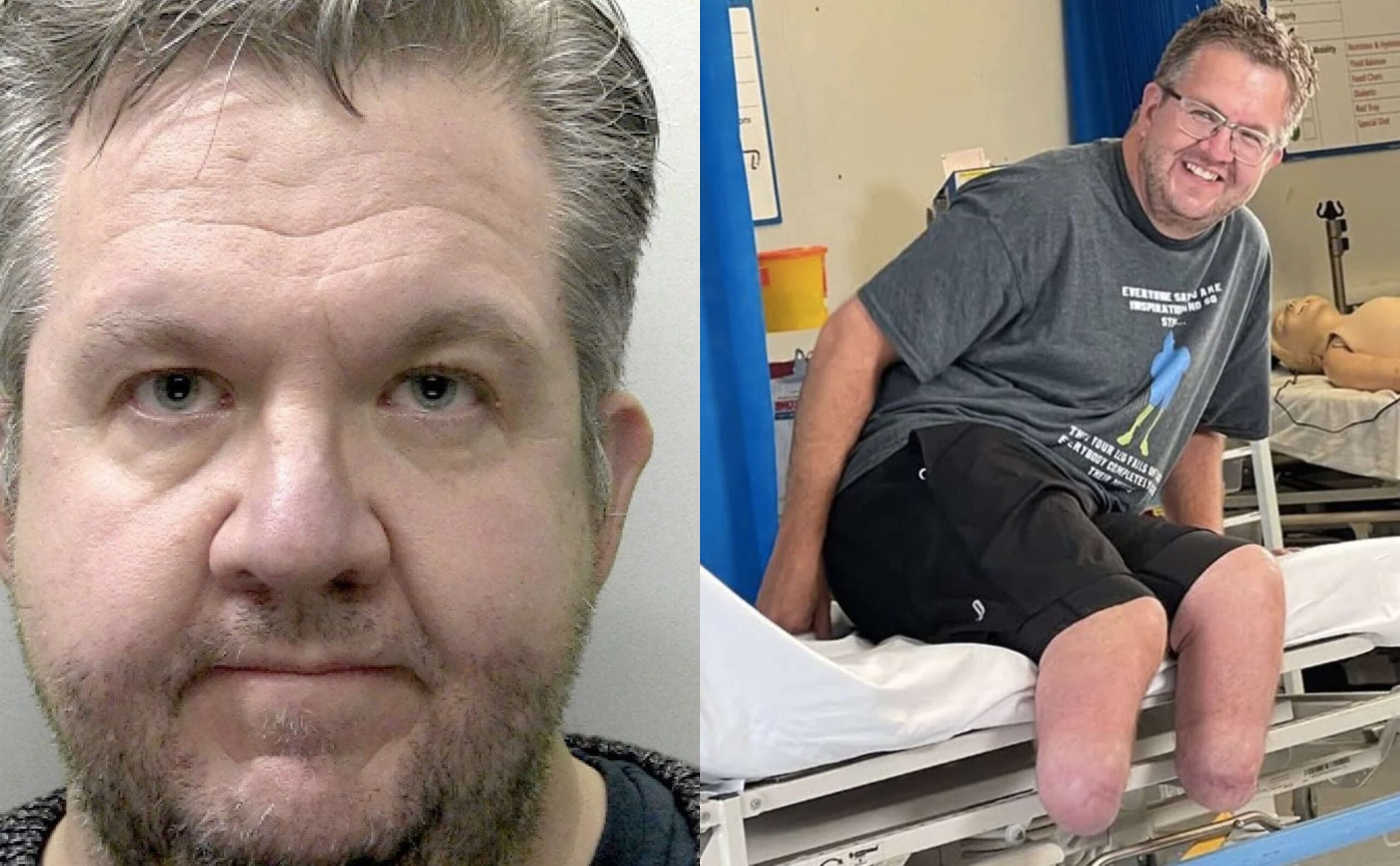
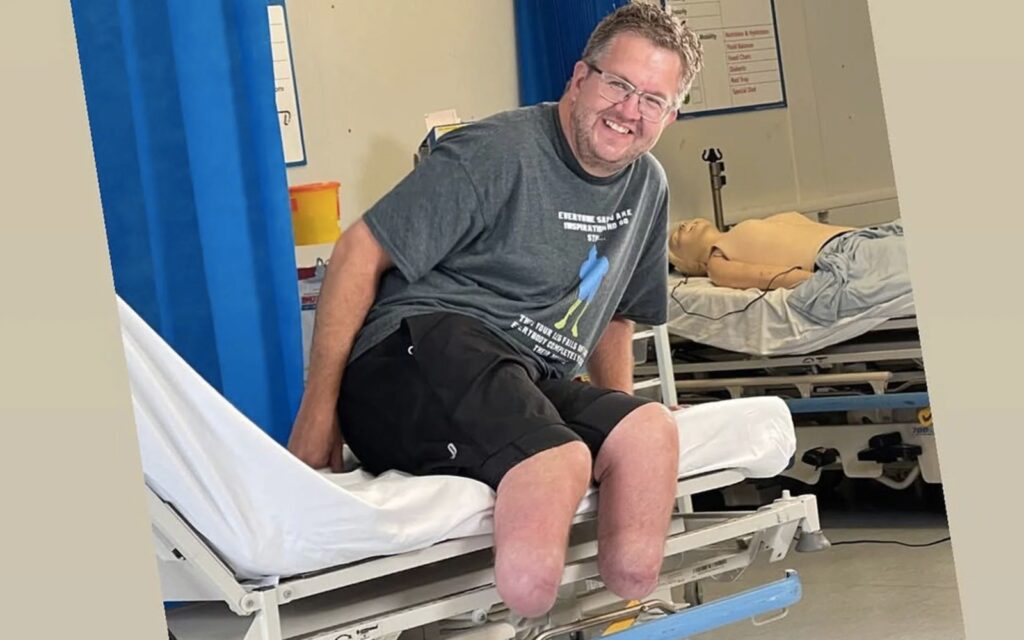
Hopper had long claimed he lost both legs to sepsis, but investigations revealed he had intentionally frozen them with dry ice in pursuit of a disturbing obsession with amputation.
The case has sparked outrage, with Hopper’s former patients now demanding an independent inquiry to determine whether any of them were subjected to unnecessary surgeries.
Prosecutor Nicholas Lee told the court that Hopper had bought three videos from EunuchMaker.com, priced between £10 and £35, showing men willingly undergoing genital removal.
It was further revealed that Hopper exchanged over 1,500 messages with Gustavson, discussing his own amputations and even asking how much dry ice to use in the process.
Prosecutor lee said: “It is evident from the messages that Mr Hopper wished to become an amputee and it was always something he had dreamt of, something he has been obsessed with and had a sexual interest in becoming an amputee,” Mr Lee said.
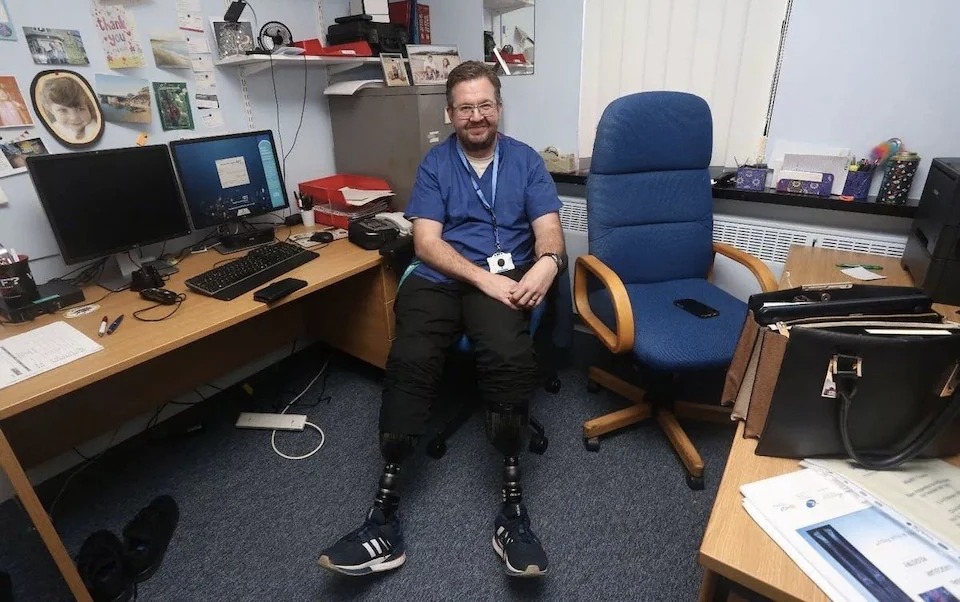
In messages retrieved, Marius Gustavson advised Hopper to immerse his legs in ice and dry ice for “at least eight hours,” warning that he would need prescription painkillers, which Hopper later sourced from the dark web.
The court heard that on April 15, 2019, while his wife and children were away from their home in St Erme, Cornwall, Hopper carried out the self-mutilation. He reportedly messaged Gustavson: “It’s going to be awesome being a double amputee,” and even sent him an explicit photo.
When paramedics arrived, they believed Hopper was suffering from sepsis and rushed him to hospital, where he underwent a double foot amputation. Just a week later, surgeons performed a further procedure to remove his legs below the knees.
Prosecutor Nicholas Lee explained: “It is apparent that Neil Hopper didn’t tell the medical professionals doing all they could to help him the real cause of his injuries.”
Evidence also revealed Hopper boasting to Gustavson, sending him a photo of his bandaged feet with the message: “It feels so cool. No feet!”
Following internal concerns, Hopper was suspended in March 2023 from his role at Royal Cornwall Hospitals Trust (RCHT). The Trust later confirmed it had carried out a comprehensive review of his medical work, finding no evidence that he had harmed patients.
A spokesperson for RCHT said: “Those at our hospitals who knew, worked with, and cared for Mr Hopper have been shocked by what has happened. We have been supporting and counselling them since he was first charged, and are continuing to do so.
“While the details of the charges are shocking, it is important to stress that the convictions do not relate to Mr Hopper’s professional conduct. During a thorough and painstaking police investigation, there were no links found to any patients he treated during his work.
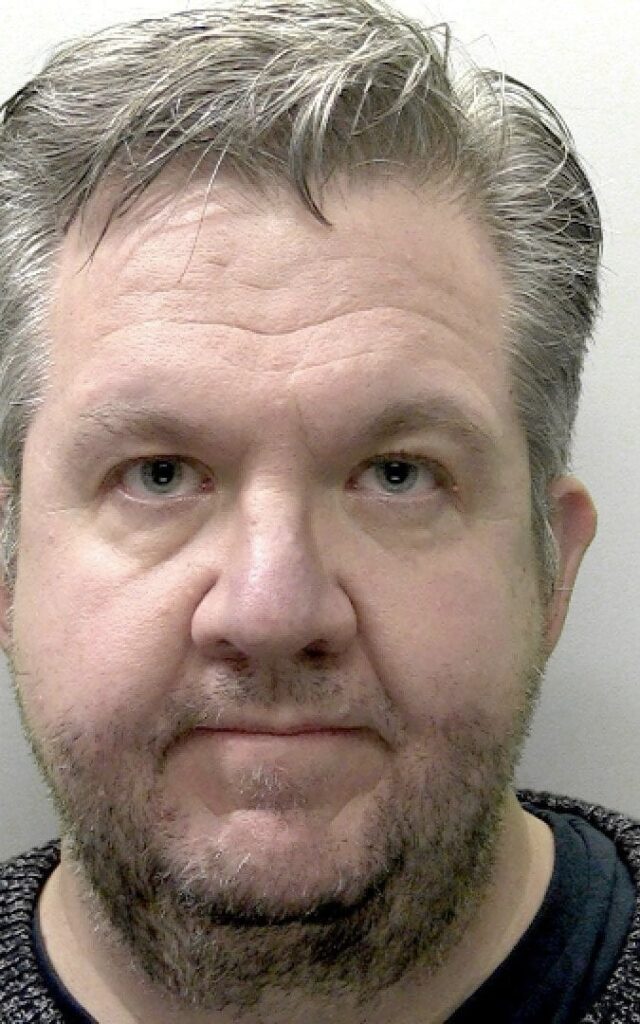
“Mr Hopper worked at the Royal Cornwall Hospitals from 2013 until he was suspended from duty in March 2023, immediately following his arrest.
“The Royal Cornwall Hospitals Trust have carried out our own comprehensive clinical reviews of surgery carried out by Neil Hopper in that time, including engaging an experienced independent clinical expert to review decisions to operate.
“We want to reassure the public that our exhaustive investigations have found no evidence whatsoever to indicate any risk or harm to patients at our hospitals.”
reality
My Breasts Keep Growing Every Day and I Can No Longer Sleep – Woman Cries Out Over Severe Back Pain

A woman identified as Summer Roberts, whose breasts reportedly weigh a combined 27kg, has opened up about the severe pain and difficulties she has experienced because of their size.
Follow Our WhatsApp Channel here
Summer revealed that she was diagnosed with macromastia, a condition characterised by excessive and disproportionate growth of breast tissue. The condition can cause chronic pain in the back, neck and shoulders and may interfere with everyday activities.

She said the condition has affected her daily life for years, but she did not receive a diagnosis until about four years ago.

Speaking to hosts Cat Deeley and Ben Shephard, Summer explained that her breast growth began when she was just seven years old and became particularly dramatic when she was 25.
She said:
“They’re quite heavy but I think because I go through it every day, I don’t really think about it. But seeing it, it is really crazy.
“I didn’t get diagnosed until, like, four years ago here, and then I went to America and got told more about it but they told me that it is all hormone based.

“Macromastia is all to do with your hormones, so they kicked in when I was seven, and then that’s when they started to grow. And then when I was 25 again, that’s when they grew 11 sizes in a year.”
Summer also revealed that she had visited several doctors throughout her teenage years because of the unusual growth, but she was repeatedly told that it was simply part of puberty.
She said she began seeking a breast reduction when she was 14, but claimed that doctors focused on her body mass index rather than the weight of her breasts.
She added:
“I was at the doctor’s throughout all of my teens, constantly, and they would just say it was, like, puberty, nothing serious.
“I was trying to get reductions from when I was 14, and they would tell me that my BMI’s too high, because my boobs weigh too much and they were basically saying that I was, like, overweight.”
Follow Our WhatsApp Channel here
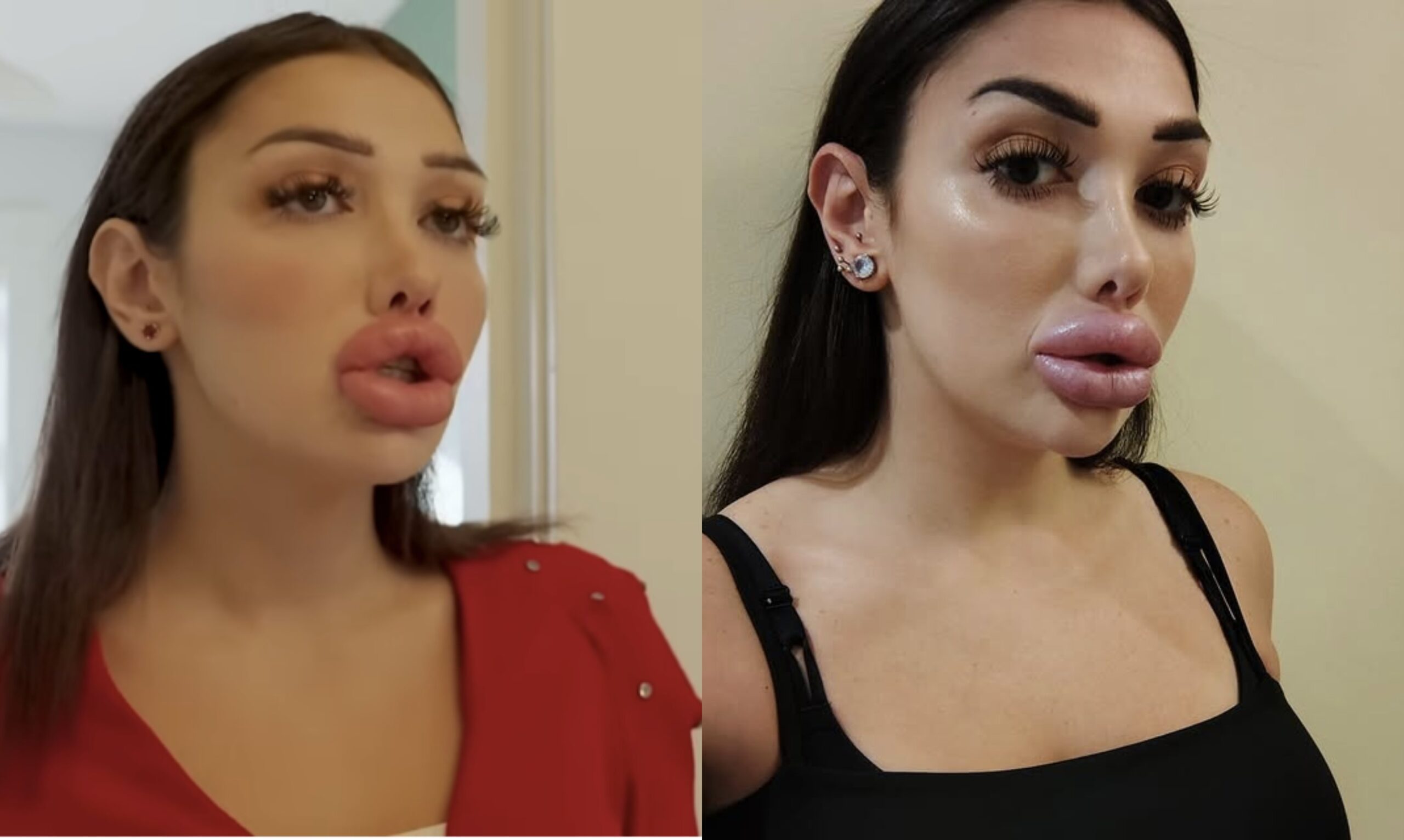
In an interview with Truly, Linda shared that she undergoes lip filler procedures twice a month in her pursuit of a highly exaggerated look. So far, she estimates that she has spent over $50,000 on cosmetic enhancements.
Despite growing criticism and online backlash, Linda says she is not planning to stop anytime soon

How she had always wanted to undergo the surgery, she said: “When I was younger i had always had the plans to get everything done not just my nose but my whole face as soon as i got my opportnity, i got my nose done i was 24 when i got my nose done
“I cant really count how many enhancement i have done cause i have had so many including Rhinoplasty, Lip fillers, chin fillers, jaw fillers undereye filler, cheek filler P threads, Botox In my forehead also botox to lift up my eyebrows and also full sculp in my lower abdomen and fat cativtation on my arm i have spent in total $50,000 over the years
“I am very happy with my lips but i would be happier if i went bigger and bigger I want my lips to cover my whole face”
She continued: “When i started getting fillers i was getting once a month and i started getting it twice a month and i have had so much lip fillers done that right now clinics rejects me here in the Midwest so every time i want to get lip fillers, I always have to try to places like florida where they are very accepting of people who look like me who have gotten alot of work done I just want to be a lip for a face and nothing else”
See video below………
reality
He Started Forcing Me to Be His Girlfriend – Woman Reveals How She Survived Acid Attack After Rejecting Man at 16
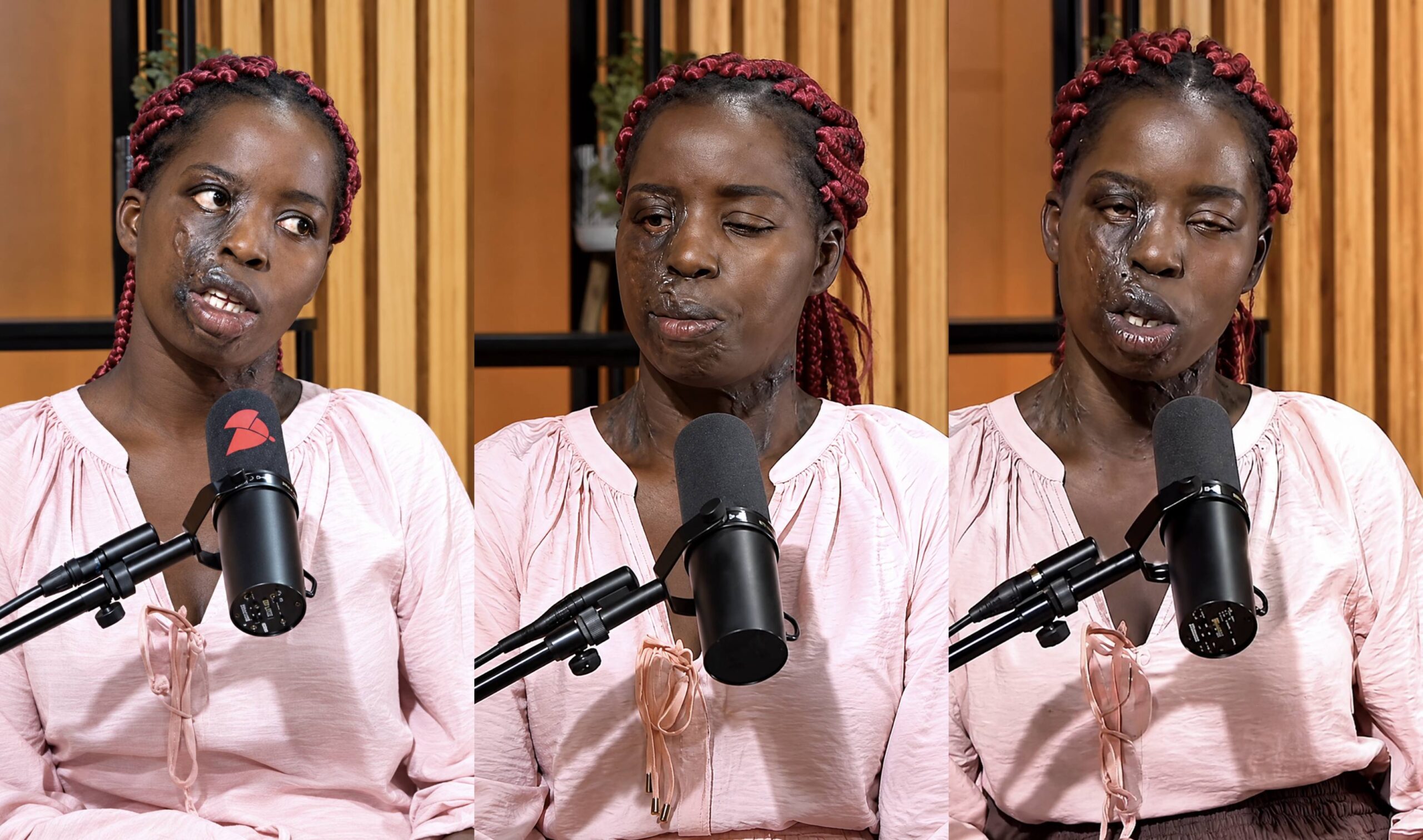
A Kenyan woman identified as Benita, who survived an acid attack, has opened up about the horrifying incident she experienced after rejecting a man who wanted her to become his girlfriend. Get the latest updates on our WhatsApp channel.
Benita was just 16 years old when the attack happened. Speaking during a conversation with the BBC, she recalled how the man lured her away from the main road before attacking her with a corrosive substance.
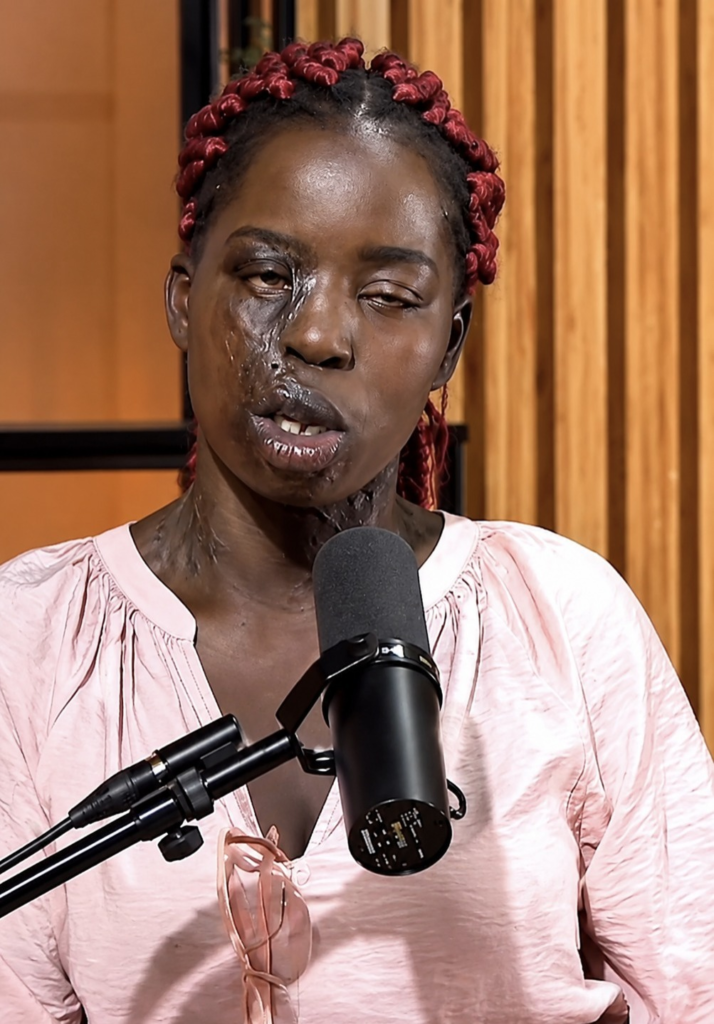
According to Benita, the man had repeatedly pressured her to accept his advances, but she turned him down because she was not ready for a relationship.
She said:
“i said oh this is what you wanted. I said no i heard something like splash of something from the head there (Her back head) so he just splashed it like that. the hot thing in it was like a chocking smell so when i turned like this (Face-to-face) he timed me so it’s entered my face plus inside the eye oh wow when it reached there, i could not think of anything”
The attack left Benita with serious injuries, including damage to her face and eye.
See video below………